Coming soon: sentences and paragraphs.
Author Archives: lyndaterrill
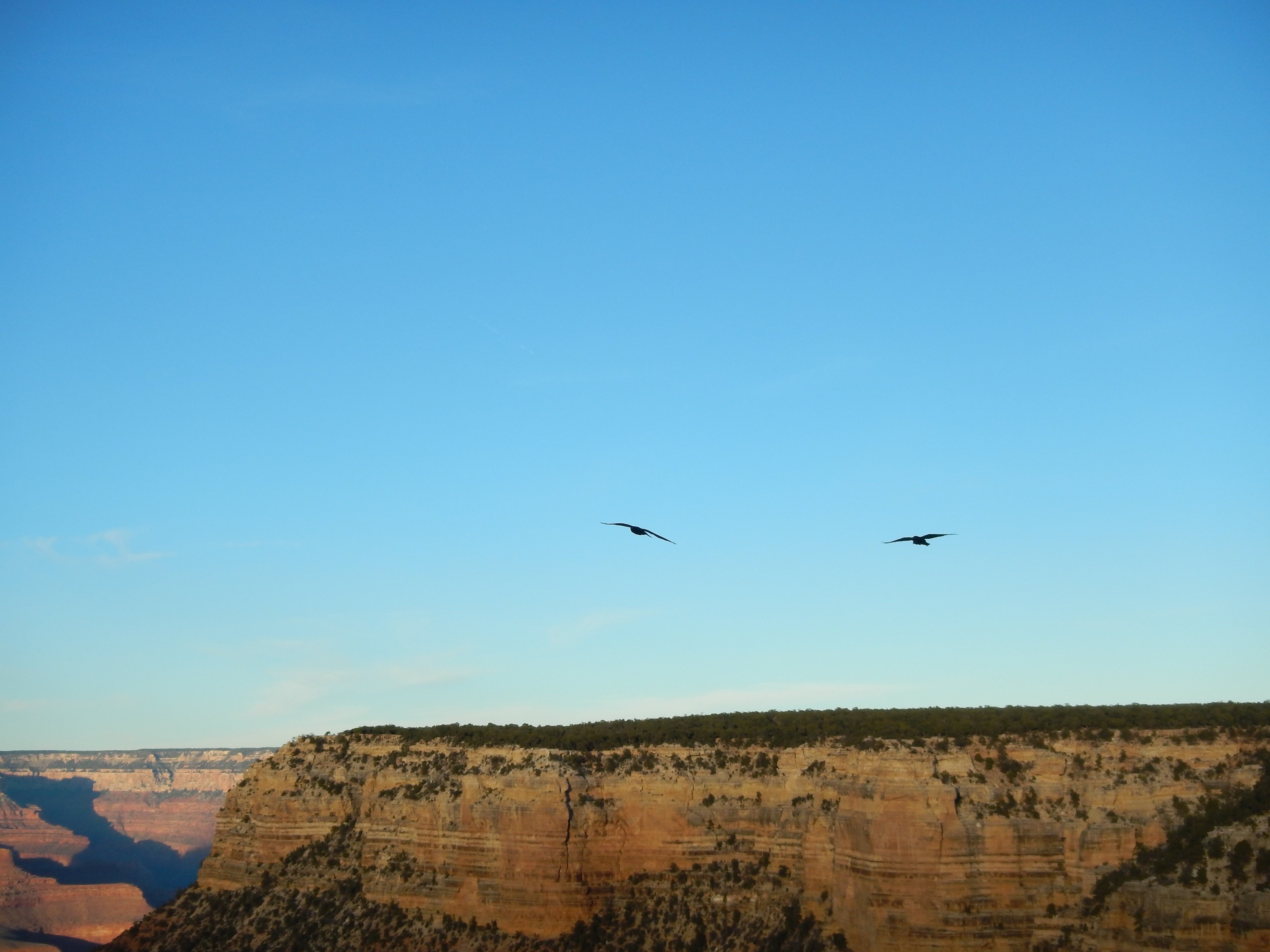
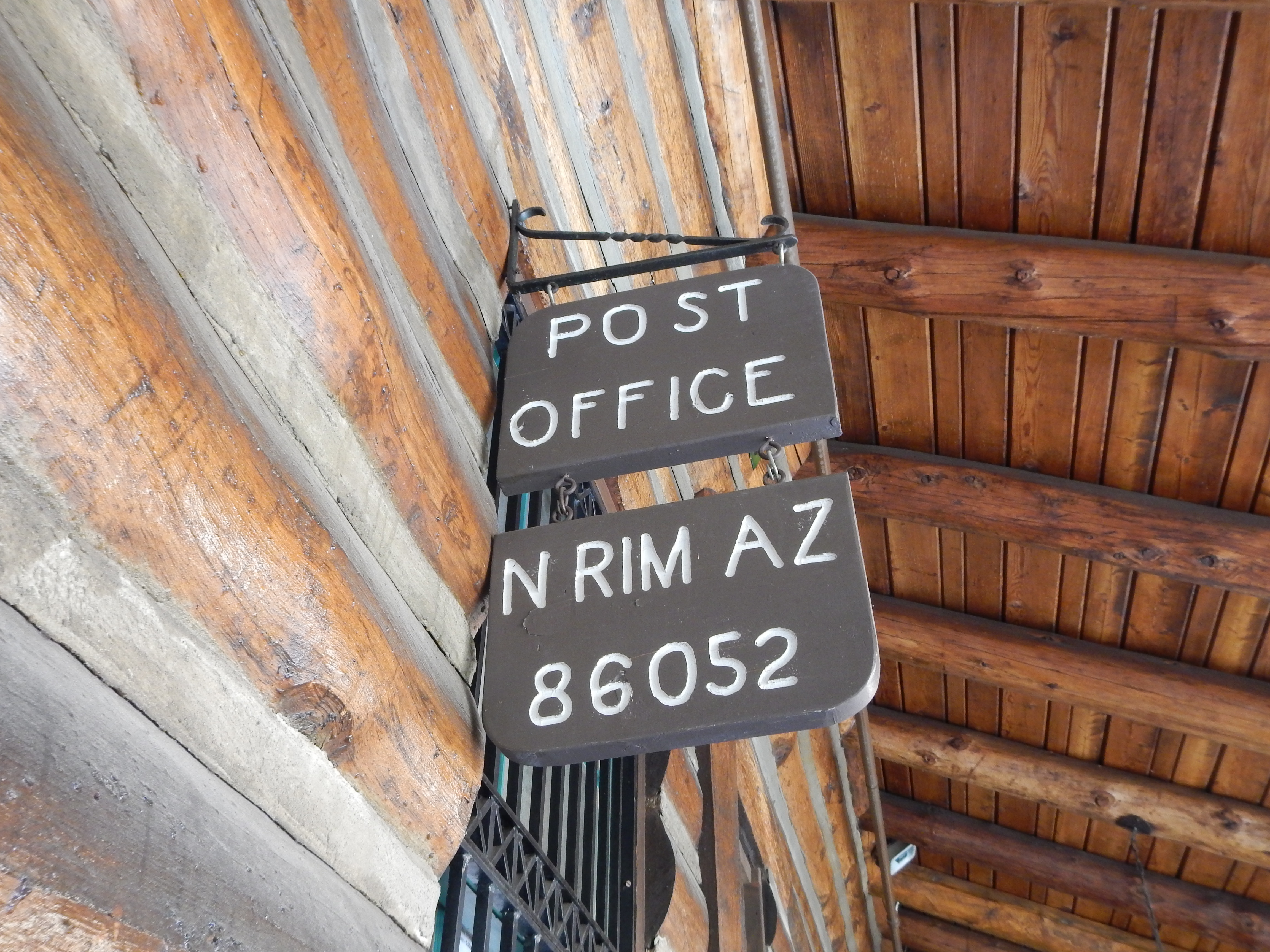
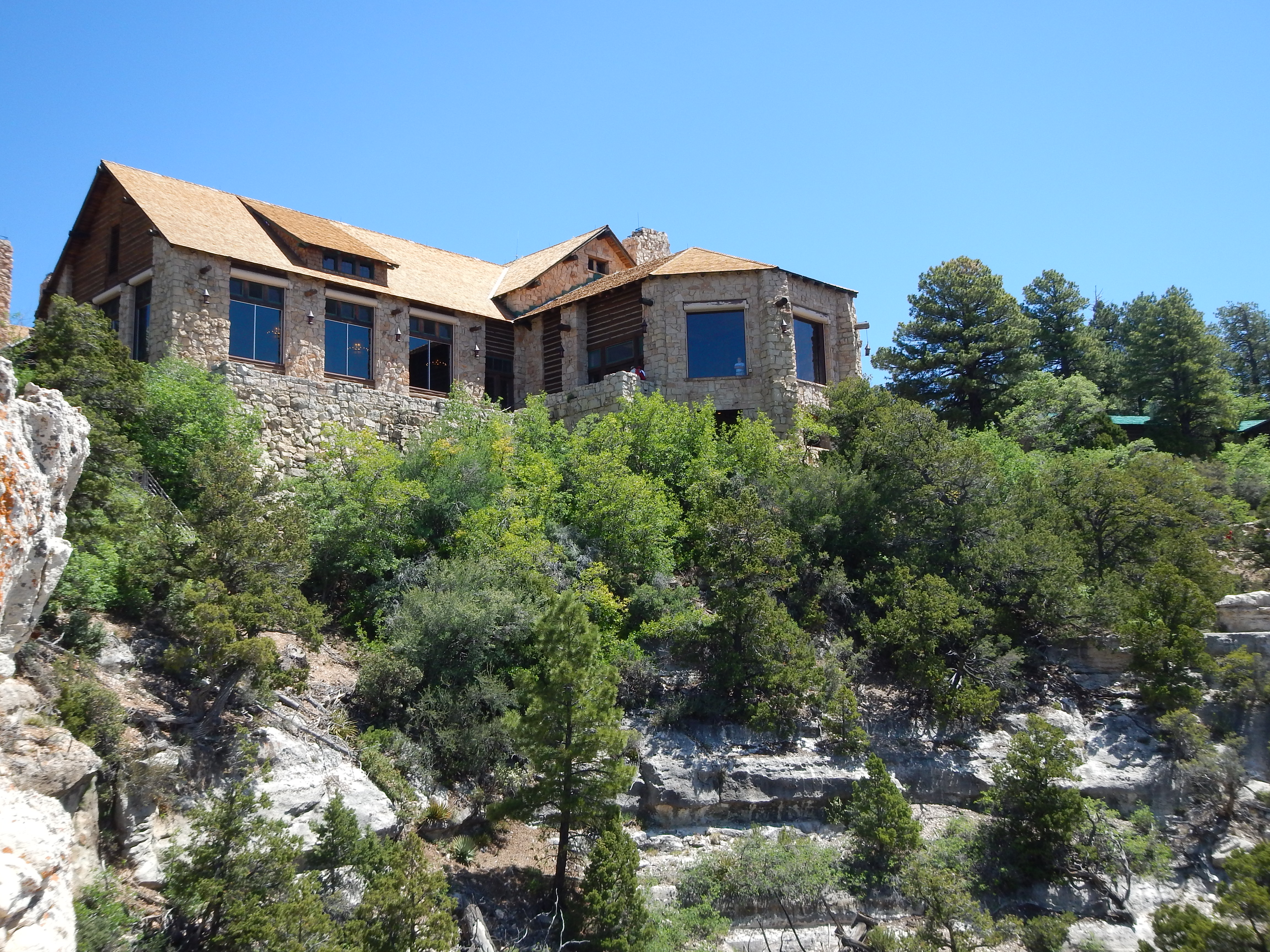
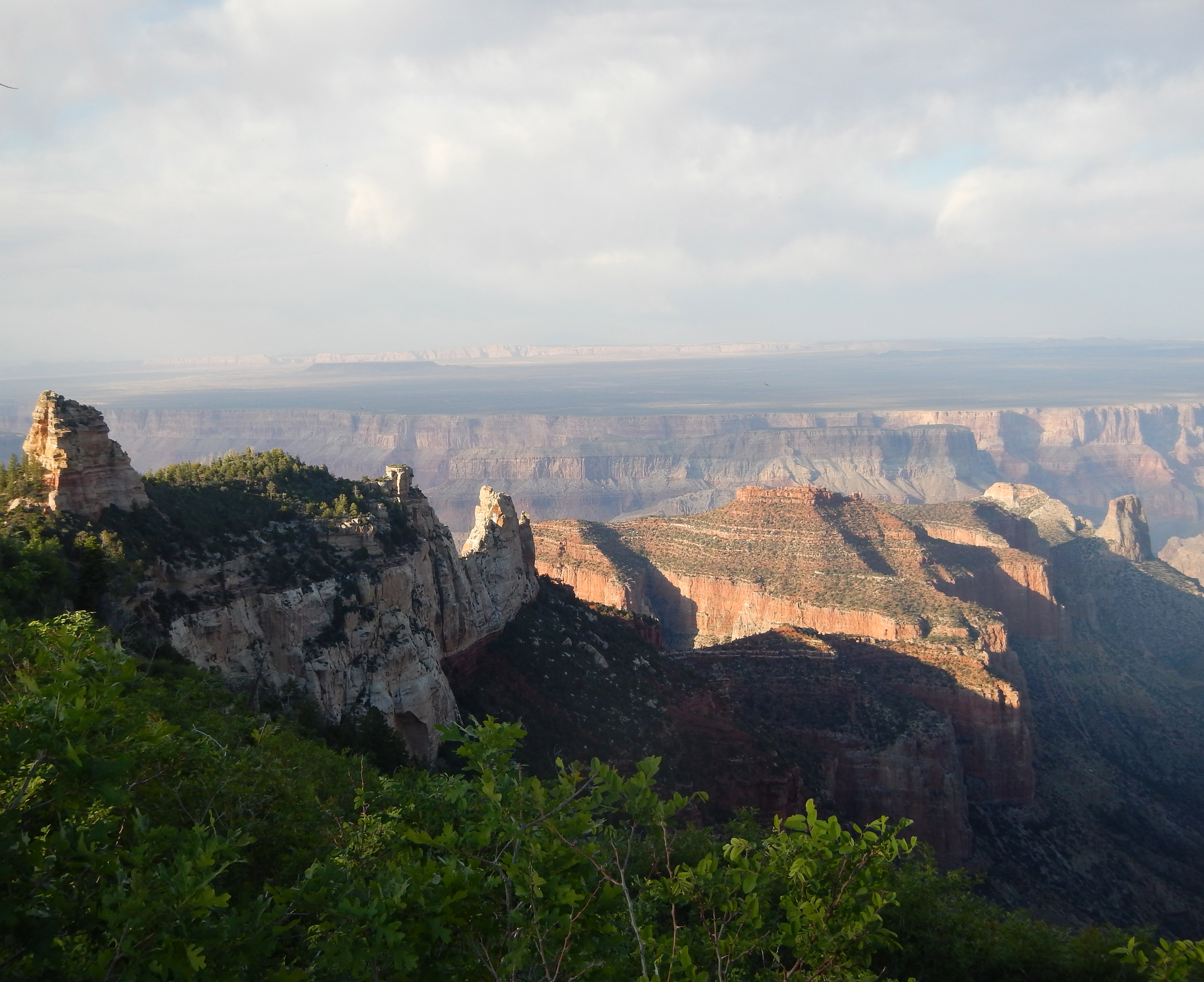
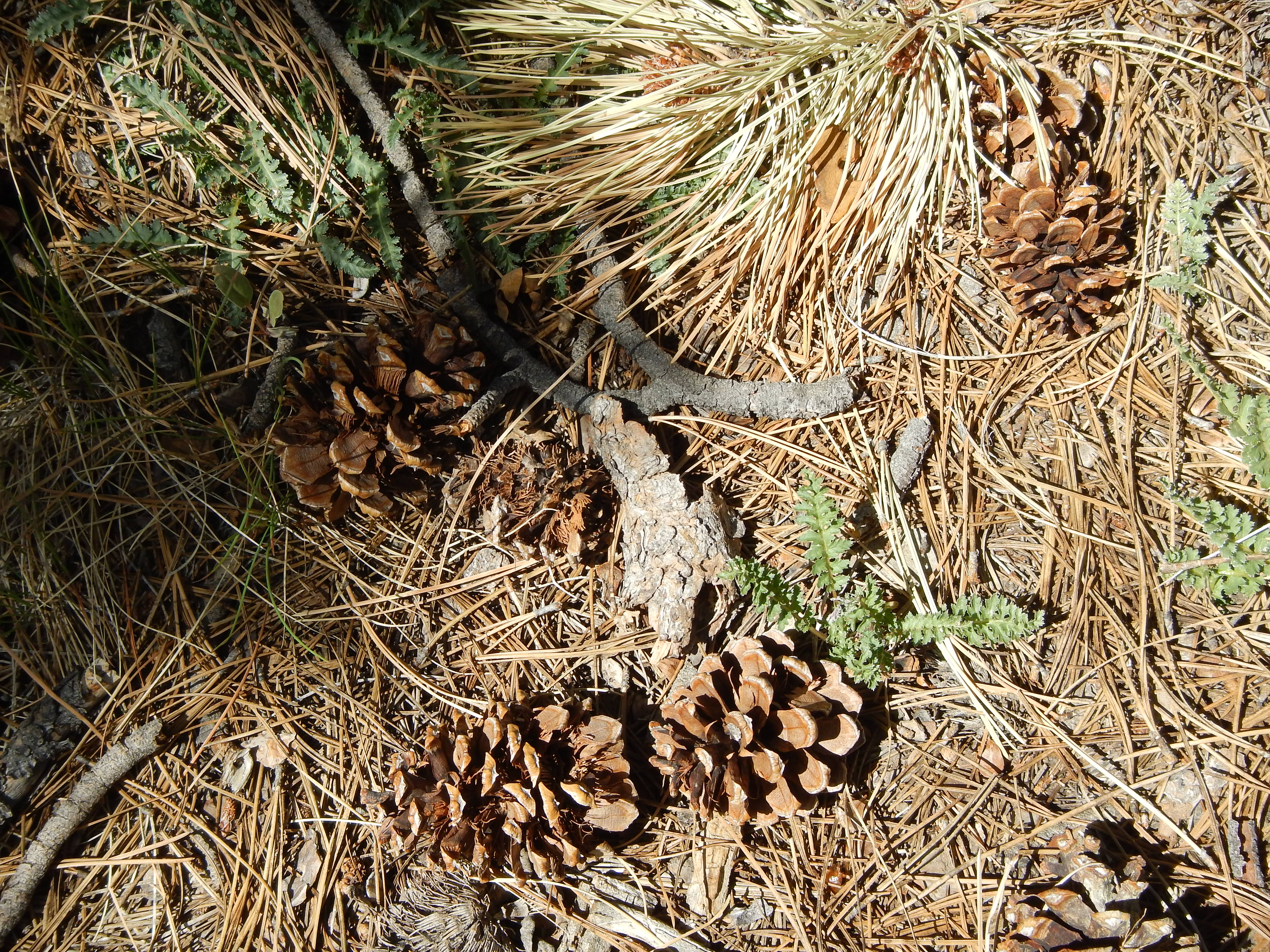
Of the North Rim of the Grand Canyon, our friend (and best man) Art says there are, “Absolutely no words.” I think he’s right, but I am going to sprinkle a few among the photos.
Our friend Paula DeLancey–gone unto another plane these 30 years and more–said we were “lucky ducks” and so we were to live together there on the rim.
When I am at the rim, I think quite a bit about William Butler Yeats. Hard not to with the bee-loud glades in the sunny meadows among the ponderosas and aspens. Right now, I am thinking of “Easter, 1916” where Yeats lists those he won’t forget. Along with Art and Paula (above) and Sally (below) I don’t forget: Chef Floyd and Bertha of the pantry, Leah and Karen–the sisters, Bill of the Mozart horn concertos and Kentucky bourbon, Anita and Becky–cousins and my roommates, Terri–so earnest (one of my favorite character traits), Keith and Pat–hippies among the Mormons, Sue–courted in moonlight by a wrangler on horseback, Richard of the trail and pantry, Jim–sweet baker, Howard–dear friend, and all the rest. Thank you.
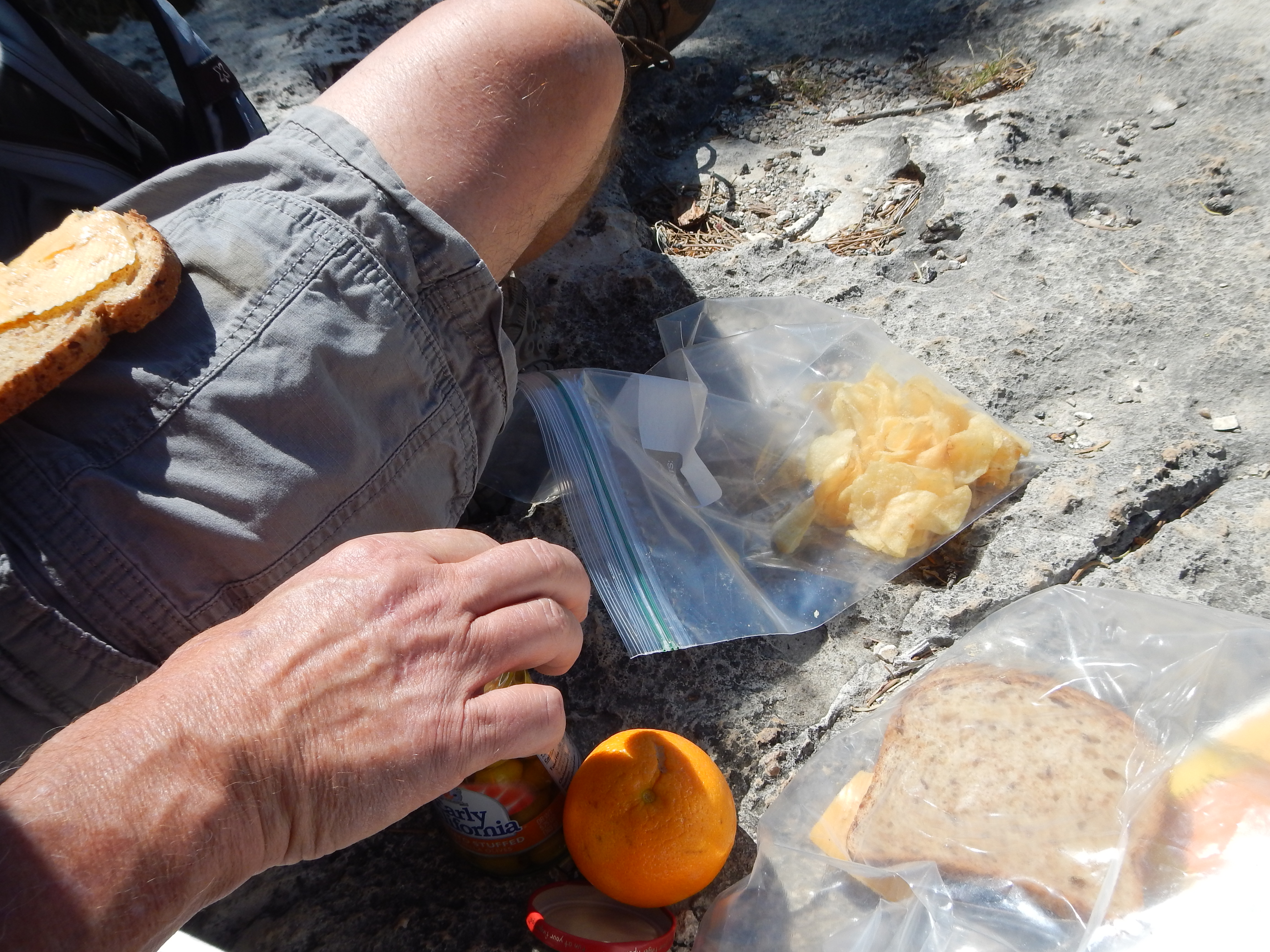
This photo is for Sally, mule girl, friend, and maid of honor:
Yes, I said maid of honor. In three days, Tom and I will have been married 40 years. In that time, we’ve shared many lunches.
Lucky ducks, indeed.
April: Cruelest Month (?), Earth Day, Earth Mother, and the Possible Limitations of Agnosticism
I want to go on record that I don’t think April is the cruelest month. How could I believe that when my youngest child and my father were born one day (and about 70 years) apart in early April? I just like T.S. Eliot and so I usually remember these words about this time of year:
April is the cruellest month, breeding
Lilacs out of the dead land, mixing
Memory and desire, stirring
Dull roots with spring rain.
Winter kept us warm, covering
Earth in forgetful snow, feeding
A little life with dried tubers.From “The Waste Land,” by T.S. Eliot, 1922
I have also been thinking about Earth Day/old days. In 1970, I went to the Teach-In on the Environment at the University of Michigan. We were big on teach-ins back there in Ann Arbor. 1970 was also the first summer I went west and thereby became even more taken with nature than I was growing up on a lake in Michigan. In Ann Arbor, I was a minor functionary in ENACT (Environmental Action for Survival). In fact, in 1971, I submitted testimony for ENACT related the Trans-Alaska Pipeline to Congress. My own comments related to possible drawbacks of the pipeline for native peoples were included along with other, more academically expert, testimony. Since I am bringing up this tiny historical footnote, you probably notice that it was a big deal for me. I think we all stopped the pipeline for a few minutes or something.
Not only was I not very successful as an environmentalist, I didn’t even make it as an Earth Mother, and that designation didn’t seem to require any coursework. I sort of went back to the land to the extent that I have been an (mostly) organic gardener for forty years. I do recycle (some), I do clean with vinegar and other non-toxic materials, and I think our children feel a connection with and a responsibility to the natural world.
The Part about Agnosticism: Actually, I am a flaming agnostic (some might say waffler, know-nothing, etc.). I don’t claim to know anything about god or the meaning of the universe–and I have a hard time figuring out how one would claim to know such information–and I don’t have much use for or patience with organized religion. The thing is, because of my broken wrist (see, Scat Happens), I have had call to stretch my hands like this:
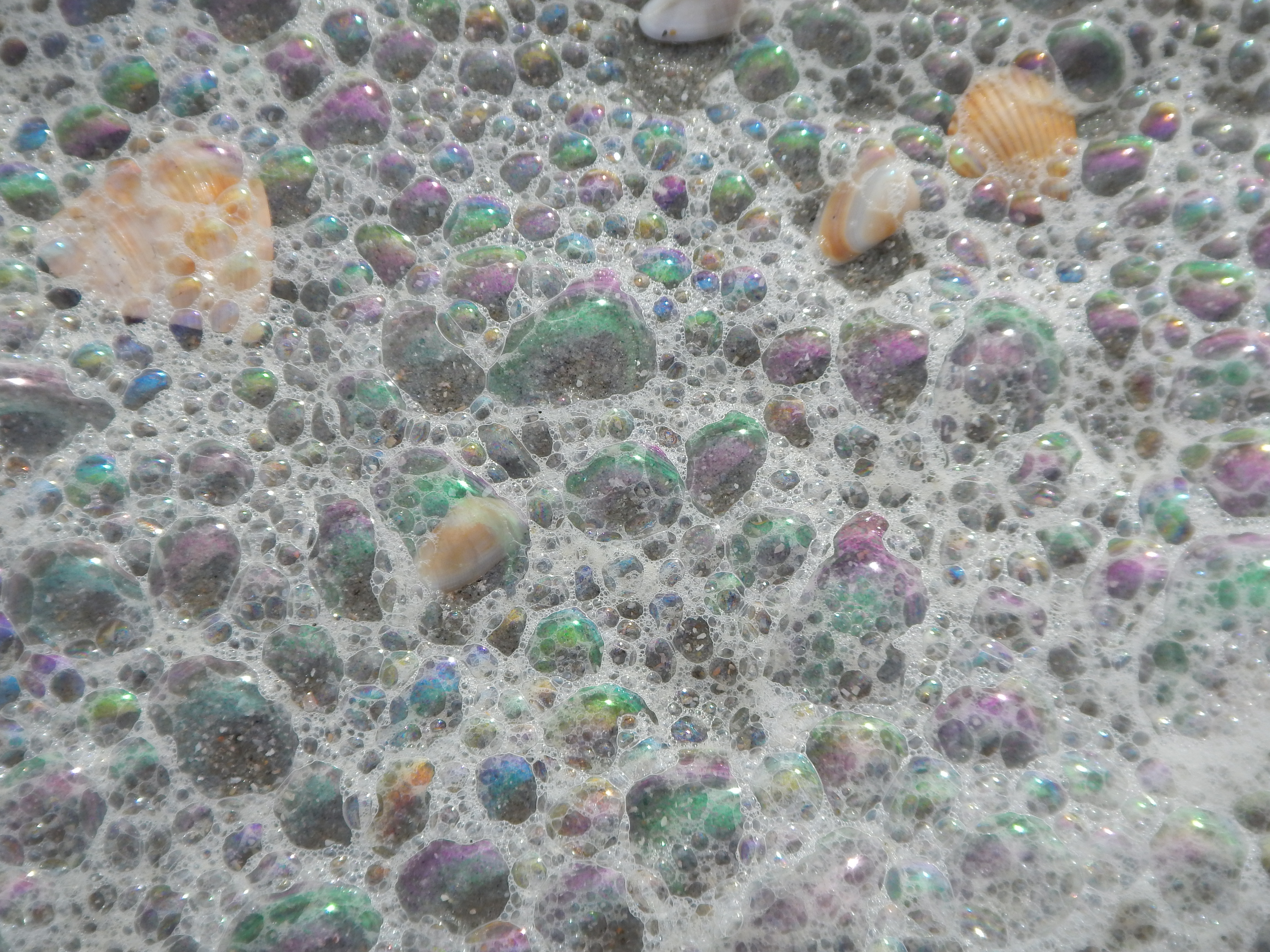
This exercise has made me think about prayer. I am still a flaming agnostic and proud of it, but I am still reverent and hopeful within the natural world. So, below are a few of the photos I’ve taken on our travels. Happy Birthday Bill and Dad. Happy April. Happy Earth Day/Week/Month.
Book Report
I read Wallace Stegner’s Mormon Country (for the first time) in the spring of 1970. That book ignited my passion for reading/almost reading/meaning-to-read books about the Colorado Plateau. Recently, in fact, I have accelerated my reading on this and related topics. This past year, in the camper on the road or in my chair at home dreaming of the red rocks, I’ve read:
- Stone House Lands: The San Rafael Reef by Joseph M. Bauman
- The Exploration of the Colorado and Its Canyons by J. W. Powell
- A Canyon Voyage: The Narrative of the Second Powell Expedition by Frederick S. Dellenbaugh
- William Lewis Manly’s Death Valley in ’49 published by Lakeside Press
- Utah Road and Recreation Atlas by Benchmark Maps
- The Geology of the Parks, Monuments, and Wildlands of Southern Utah: Including Road Logs of Highways and Major Backroads through the Grand Staircase-Escalante National Monument by Robert Fillmore

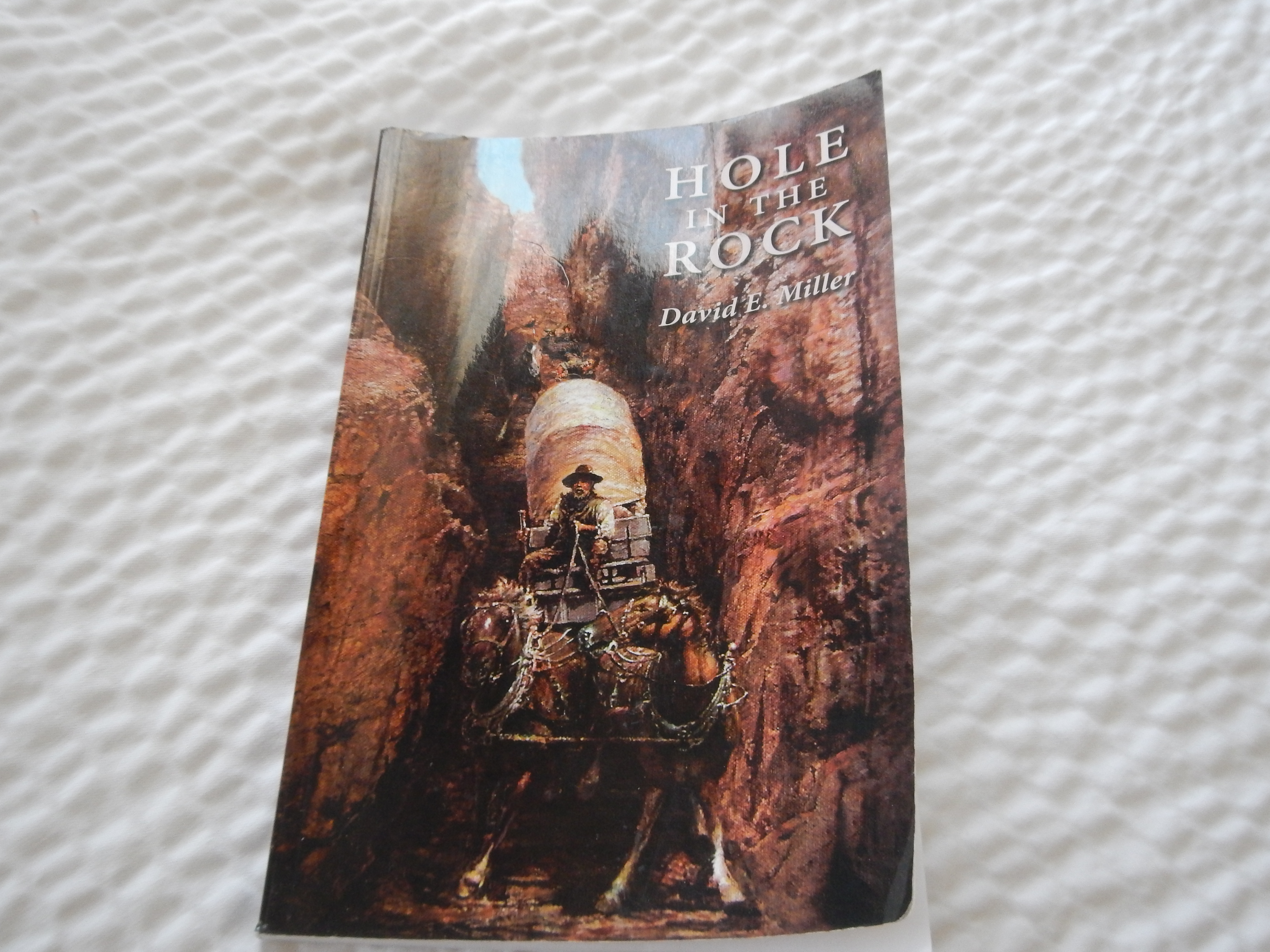
- Hole in the Rock: An Epic in the Colonization of the Great American West by David E. Miller

- The Boy with the U.S. Survey by Francis Rolt-Wheeler

A relic from before they messed up Glen Canyon: The Glen Canyon Archeological Survey, Anthropological Papers #39 May, 1959 (Glen Canyon Series Number 6), Part 1 by Don D. Fowler, James H. Gunnerson, Jesse D. Jennings, Robert H. Lister, Dee Ann Suhm, Ted Weller. Tom bought me this used from Sam Weller’s Books in Salt Lake City, in 1972—the year I taught school in Page, Arizona.
I do read other kinds of books: I just finished Lizzie Bright and the Buckminster Boy by Gary D. Schmidt, the latest in my quest to read all of the Newbery Medal and Honor Books. I also finally read and loved Nicholas Nickleby by Charles Dickens and Ivanhoe by Sir Walter Scott.
Speaking of Books and the Colorado Plateau: Did you know that, according to the Southern Utah Wilderness Alliance (http://www.suwa.org/multimedia/map/book-cliffsdesolation-canyon-region/), the Book Cliffs (from East Central Utah into Western Colorado) is “the longest continuous escarpment in the world?”
For my friends from back in the day: an excerpt from The Exploration of the Colorado and Its Canyons:
Still farther east is the Kaibab Plateau, culminating table-land of the region. It is covered with a beautiful forest, and in the forest charming parks are found. Its southern extremity is a portion of the wall of the Grand Canyon….Here antelope feed and many a deer goes bounding over the fallen timber. In winter deep snows lie here, but the plateau has four months of the sweetest summer man has ever known. (p. 102)
Scat, Part 2: Bird Tails
It has been a challenge getting started writing my second scat post. That isn’t because scat doesn’t/ hasn’t continued to happen—some fell on those I love and on myself and there’s the the same old stuff of bad economy, mayhem with guns, and the environmental depredations we see wherever we travel.
No, I haven’t been able to write because today is so beautiful here at our campground at Dead Horse Ranch State Park in Cottonwood, Arizona that I couldn’t pull myself away from the natural world and into the electronic device. Here’s a photo of where I am sitting at 5:42 PM (Arizona time).
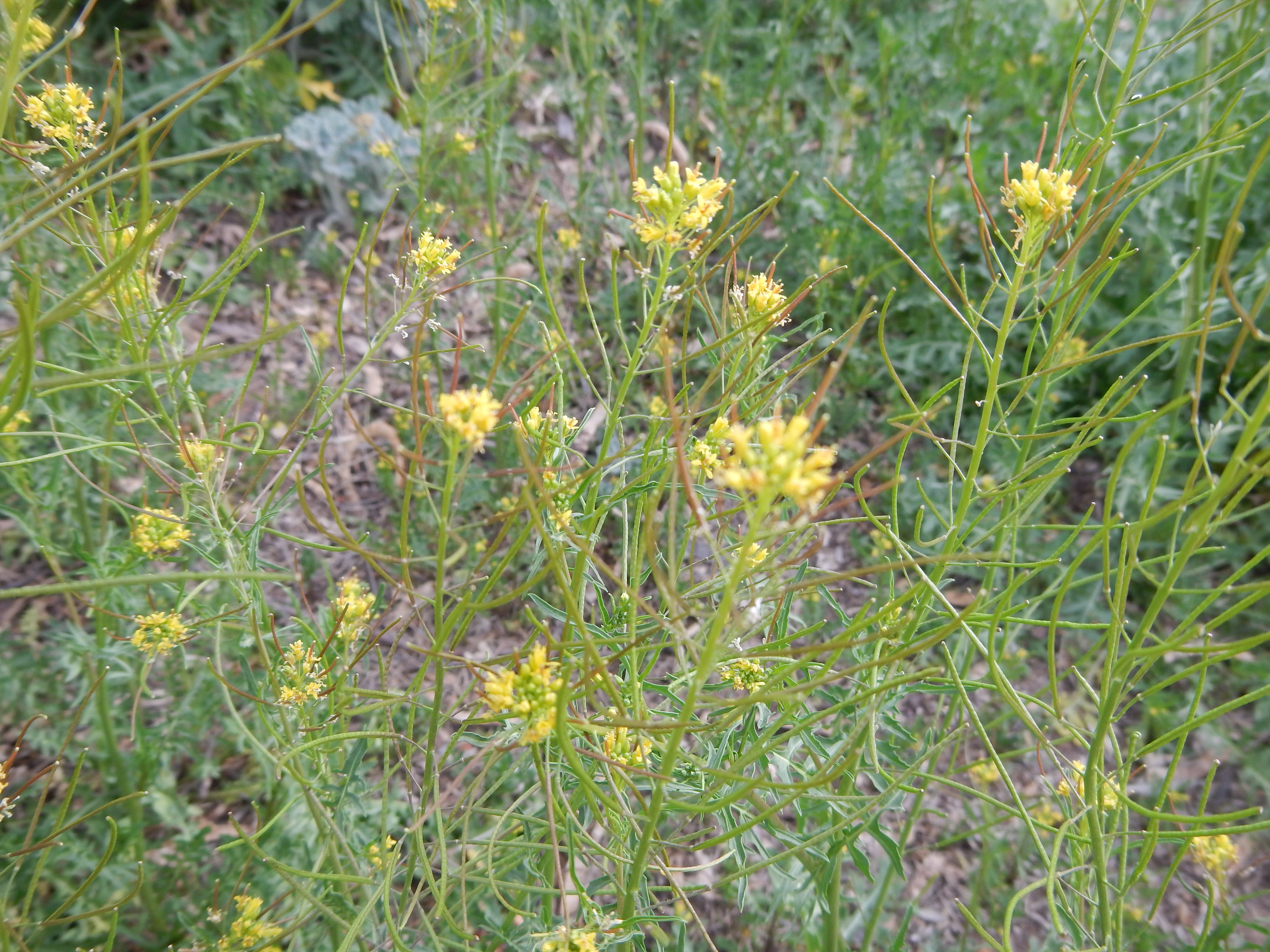
My chair is next to a cat claw acacia and faces several creosote bushes. London Rocket (sisymbirum irio) swarms behind me.
Below me is a dry wash that is probably not as dry as it looks.
This afternoon a covey of Gambel’s quail marched around in and around the creosote. A spotted towhee hopped around from bush to the ground and back up—so close that I am confident he (male plumage) is in fact who I think he is. A hummingbird zipped by and I think the tiny grays are flycatchers. Others having been showing up including the ubiquitous ravens, doves of probably more than one kind, a hawk (that can’t identify), a cardinal, a great blue heron, and a black and white crowned sparrow who hopped around near me throughout the afternoon like he was daring me to figure out what variety he was among the dozens of sparrows in my bird book. No luck so far. Most exciting, but not verified as of yet, was a gila woodpecker in a cottonwood down in the wash.
I still want to tell you the second scat story, maybe tomorrow.
Observation: Maybe I can’t write about bad stuff—funny or real—in part because Tom and I had such good food at Juanita’s Taqueria here in Cottonwood and it sort of mellowed me out.
It’s Tomorrow: On February 18 Tom and I traveled to Gila Cliff Dwellings National Monument. I would show you photos of this fabulous place, but I didn’t recharge my camera battery in a timely fashion. Anyhow, we pulled into the Upper Scorpion Campground and settled in for a snack of red grapes, water, and some other delicious tidbits I can’t recall. The picnic table was next to a huge ponderosa pine.
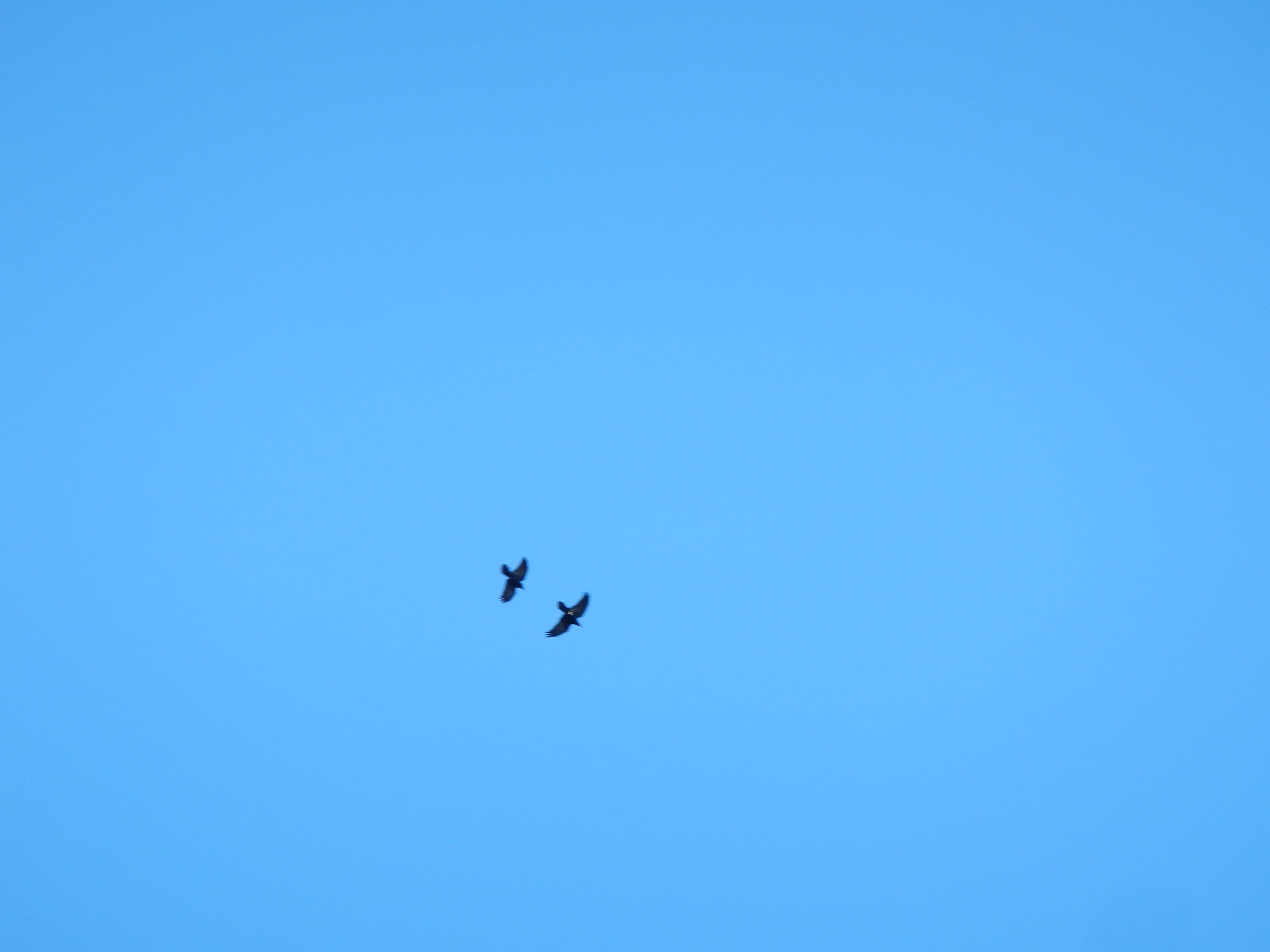
As soon as we sat down, and especially after a red grape or two liberated themselves, two ravens (corvus corax) landed on the tree directly above where we sat. Our campsite was situated within the 558,065 acres of the Gila Wilderness which, thanks in part to Aldo Leopold, is the first designated wilderness in the world. So, maybe the ravens felt that Tom and I were elbowing in on their space. They complained and complained and we did not move. Finally–from about fifteen feet above–one raven launched about a half a cup of droppings onto Tom’s blue plaid bermuda shorts. As we figured the ravens had planned it, we immediately jumped up, ran to the camper and tried to clean the gooey crap off the shorts. When I turned back toward the picnic table, I saw one of the ravens sailing off with a red grape in his beak.
Alternative Analysis: Tom and I think the ravens wanted the grapes, but we have also considered that avian bombardier might have merely been expressing his opinion about Tom’s overly bright, non-western attire. You can Google images for “men’s blue plaid bermuda shorts ” and see for yourself.
Scat Happens
Sedona, Arizona
I’ve cheered up and warmed up since my last post. However, as you probably figured from the title of this post, life continues to—um—provide fine opportunities for growth, such as:
- the (mostly) nonexistent ice and snow that closed almost everything in New Orleans, but not K-Paul’s Louisiana Kitchen or Café Du Monde,
- the bad gas from Murphy USA in Del Rio, Texas, which sickened our F-150, but we received the reimbursement for the repairs right away,
- the day after Tom and I completed a hike in the Chisos Basin (The Window), I tripped on nothing on a little hike and sprained my wrist*, but then when I was icing my hand on the lodge veranda, I saw a Colima warbler
- my map-reading skills are not tip-top, but we finally got to Mesa campground in the Gila National Forest before total dark.
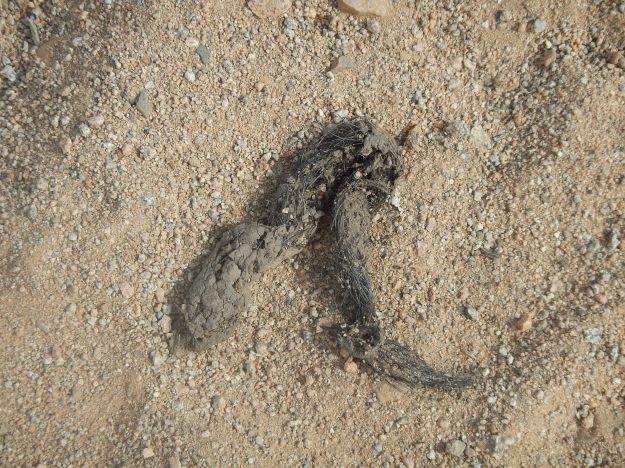
The lake was way down from (I assume) the drought and the campground exuded a down-at-the-heel gloom, but I am pretty sure that on my early morning trek to the bathroom, I smelled mountain lion. I think the scat was fresh, too. (I didn’t photograph the evidence, but here’s some from another hike):

Scat, Saguaro National Park
Scat happens, but sometimes it turns out to be something you’ve been waiting for.
Or, as W. B. Yeats said in a slightly more high-tone way:
I am content to live it all again
And yet again, if it be life to pitch
Into the frog-spawn of a blind man’s ditch,
A blind man battering blind men;…
I am content to follow to its source
Every event in action or in thought;
Measure the lot; forgive myself the lot!
When such as I cast out remorse
So great a sweetness flows into the breast
We must laugh and we must sing,
We are blest by everything,
Everything we look upon is blest.
From “A Dialogue of Self and Soul” by William Butler Yeats in The Winding Stair and Other Poems
*I found out yesterday that I sustained a comminuted distal radius fracture. So much for the power of positive thinking, and, yes, I am typing this with my left hand.
Note: I have more in my mind than I can get on the computer today. Please expect Scat Part II shortly.
Old Year, New Year: Flexibility, Part 3
I didn’t know there was going to be a Flexibility, Part 3. I had thought that I had explored my flexibility (and lacks thereof, various) sufficiently in Flexibility, Parts 1 and 2. This has not proven to be the case.
- When I contort my arms while doing my stretches, my left shoulder hurts. I think I am losing strength and range of motion (e.g., flexibility) because I haven’t used my weights in over a week. We are on the road again, plus it was a) too stormy b) too cold c) too sad (see below) d) too cold (second round) to get the weights out of their storage space in the camper.
- Yesterday morning, after re-stowing the–once-frozen, now defrosted–canned goods in the camper, my hands were so cold that I went back to the cabin, whimpered from the pain in my thumbs, and sat in a chair all day with a blanket up to my chin.
- I am warm today as I sit here in the food court of the Myrtle Beach Mall, Kings Highway, Myrtle Beach, S.C. I sit here and miss my father and mother. How flexible is that? I might have gotten used to their being gone since it has been 20 years and more. Without my parents’ kind hearts and bright souls here to raise my spirits, I feel like I am in a cave without a light.
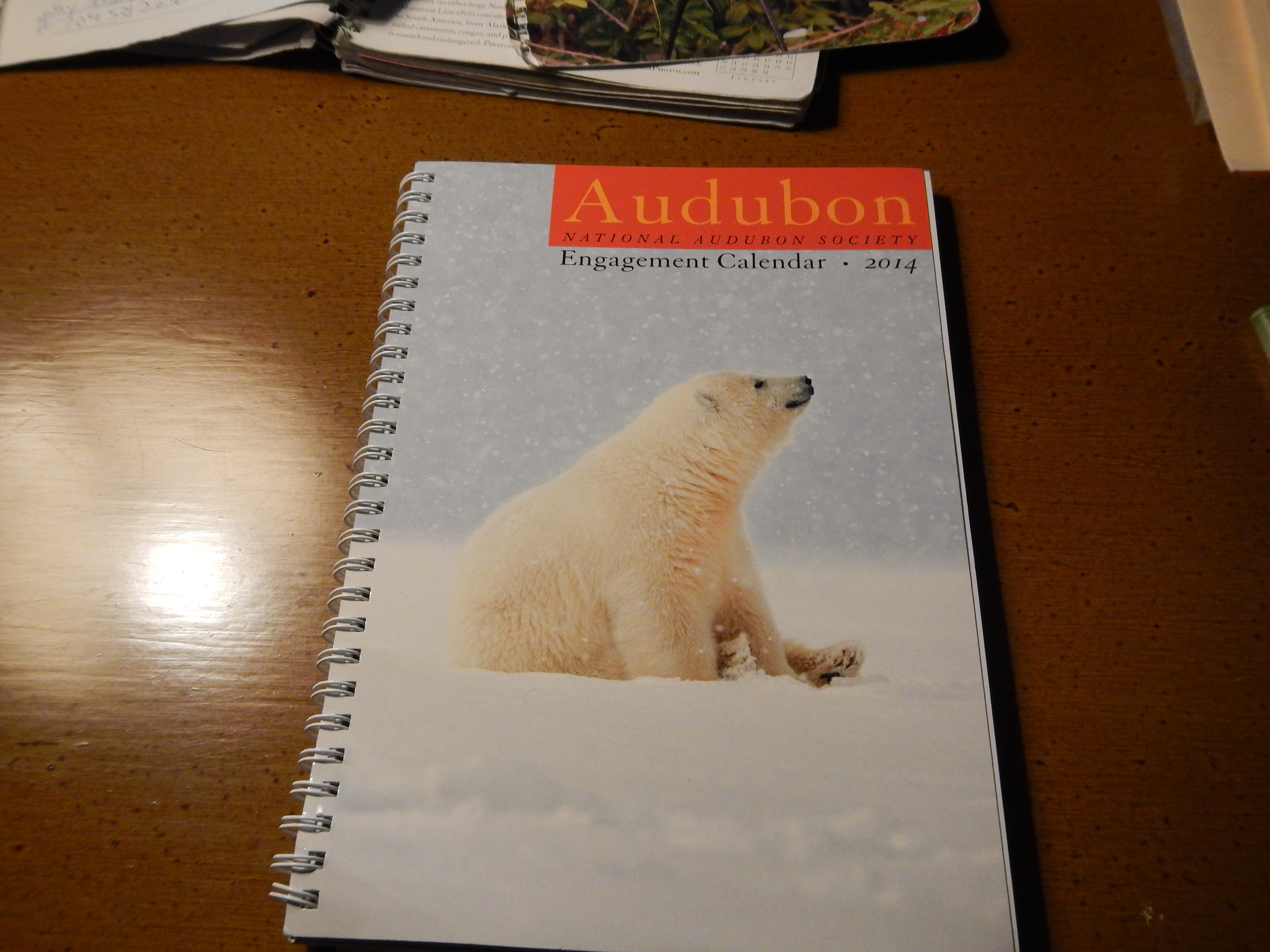
I’m late: I usually transfer the data from my old day planner to my new day planner by around January 1 of the new year. It’s some sort of ritual for me–copying names, numbers, emails, addresses from the old book to the new. Note: I also transcribe some of my passwords onto the day planner pages. Because of that, in a fit of sense, I am not posting my photo of the old and new day books together as I had intended. Someone might be able to read my little secret codes.
Speaking about rituals: For the last several years, I have affixed a Post-It note with lyrics to the back of the day planner. This year, I have actually written the words on the inside cover:
There is a town in North Ontario,
With Dream comfort memory to spare,
And in my mind
I still need a place to go,
All my changes were there
For decades, I would understand the North Ontario part, and then I would hear Neil mumble the next lines: something, something, something. I didn’t know what the somethings were or meant, but I felt they were important and the words I couldn’t understand made me want to cry.
I do, however, understand the meaning of the song title: Helpless.
I grow old. Someone else wrote, “I grow old, I grow old, I shall wear the bottoms of my trousers rolled” (“The Love Song of J. Alfred Prufrock” by T.S. Eliot). I used to think that line was a bit funny. Now, I get it.
I think I am fit and flexible. When I ask, people tell me my gait is fine. However when I see my shadow, I see a little something wobbly with the gait on my right leg.
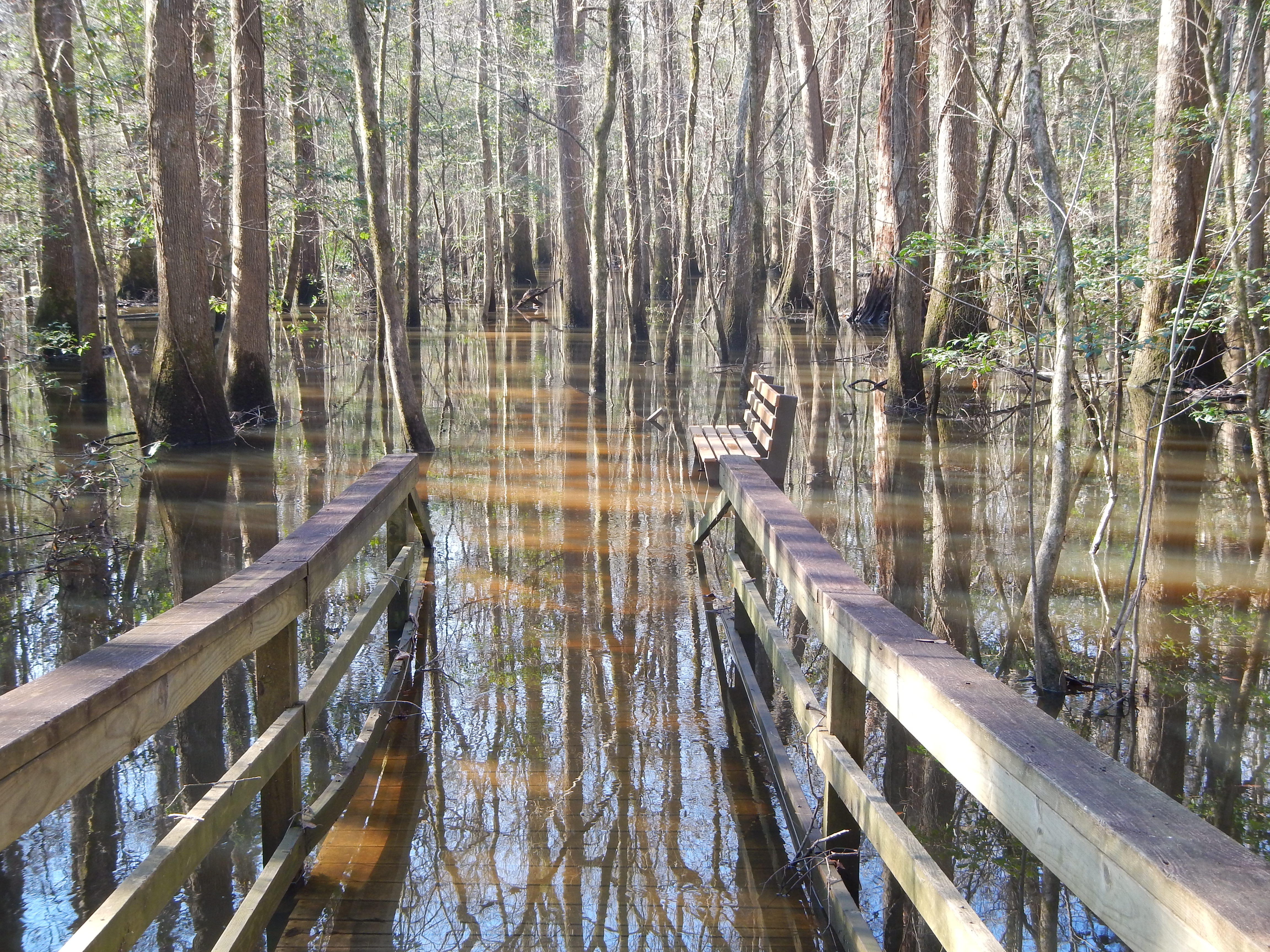
I can’t seem to stop walking into swamps of one sort or another, but then I remember, I love swamps.
I am helpless to stop people I love from dying. So, Ave atque Vale (check your Catullus) and Happy New Year.
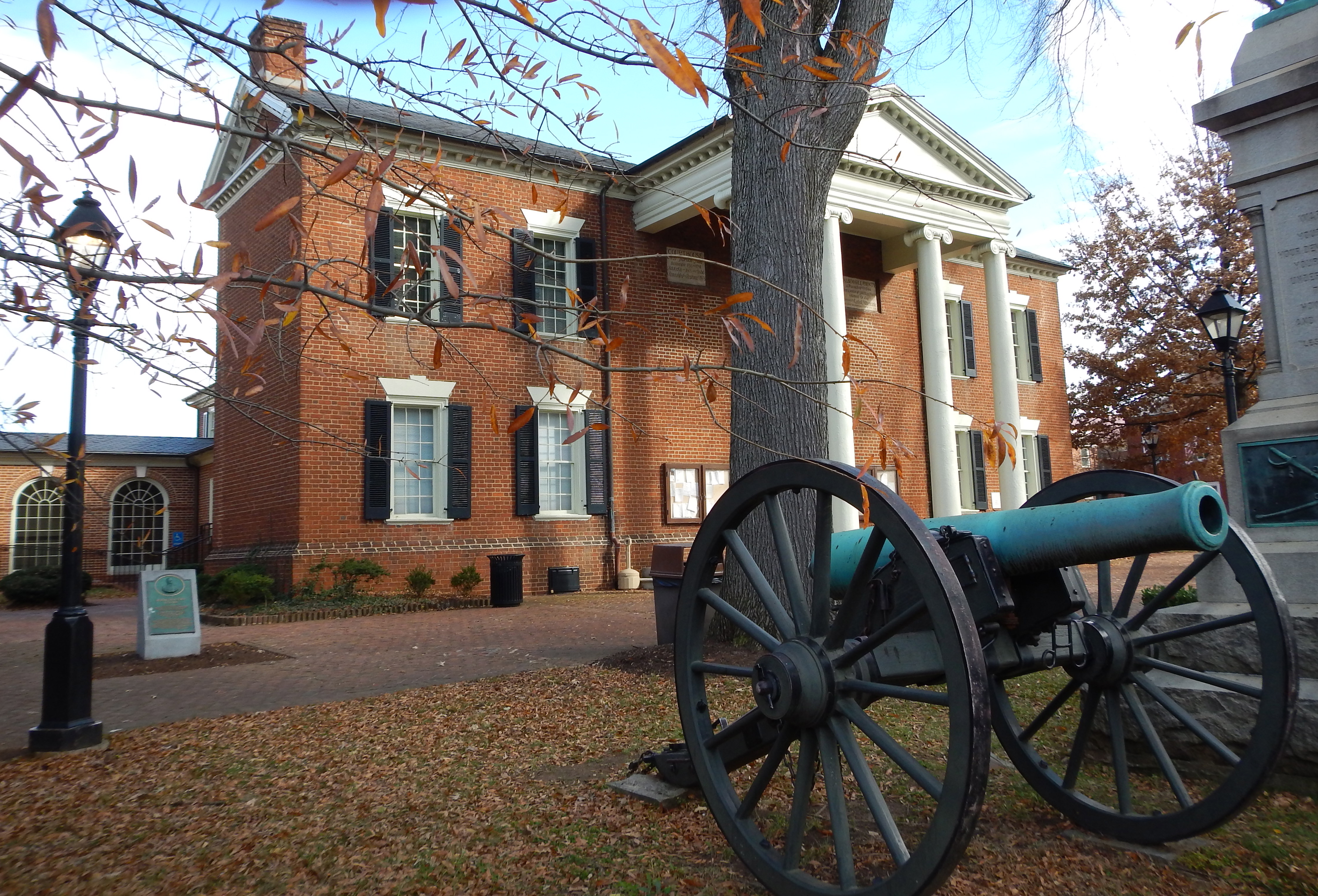
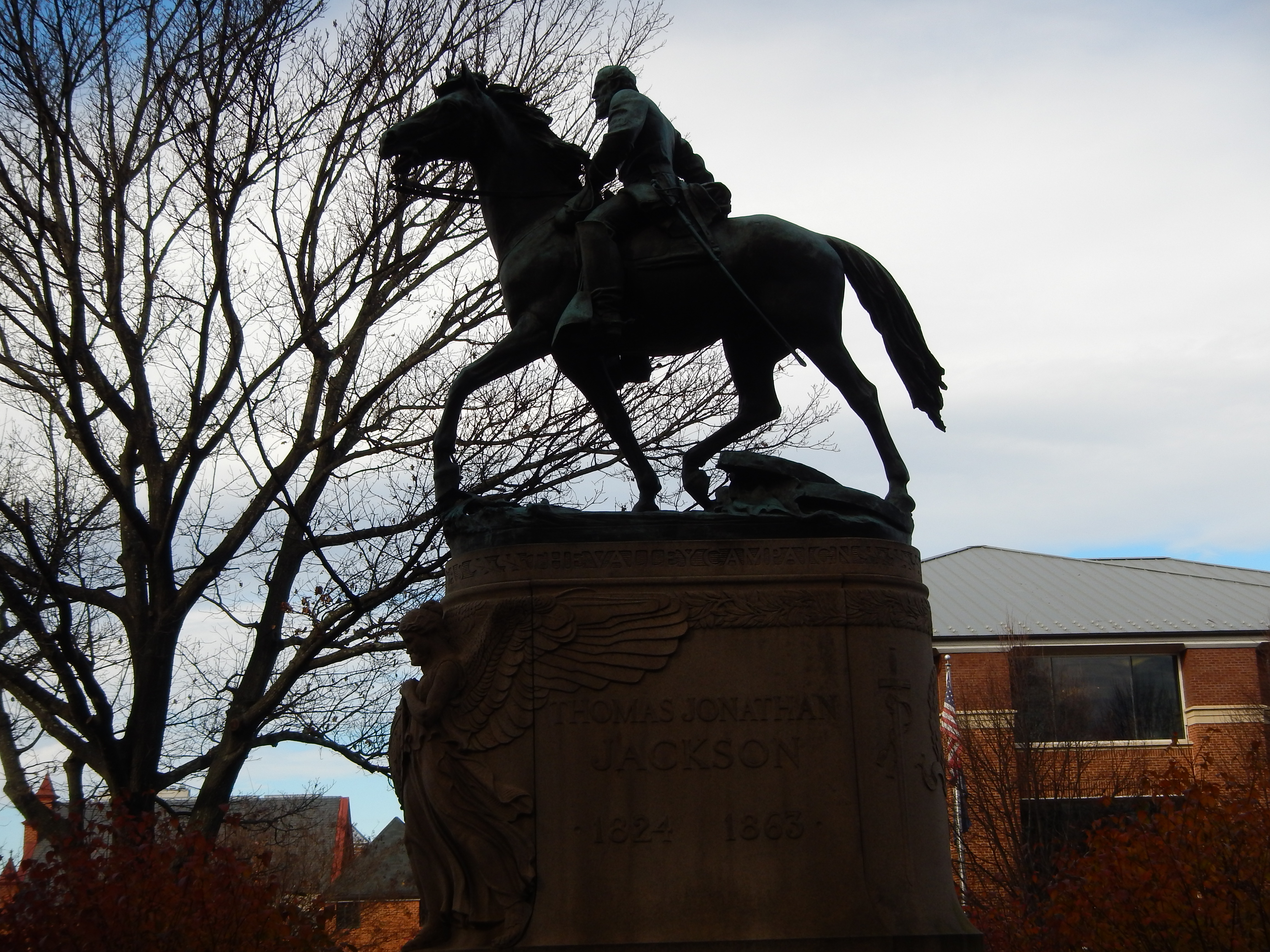
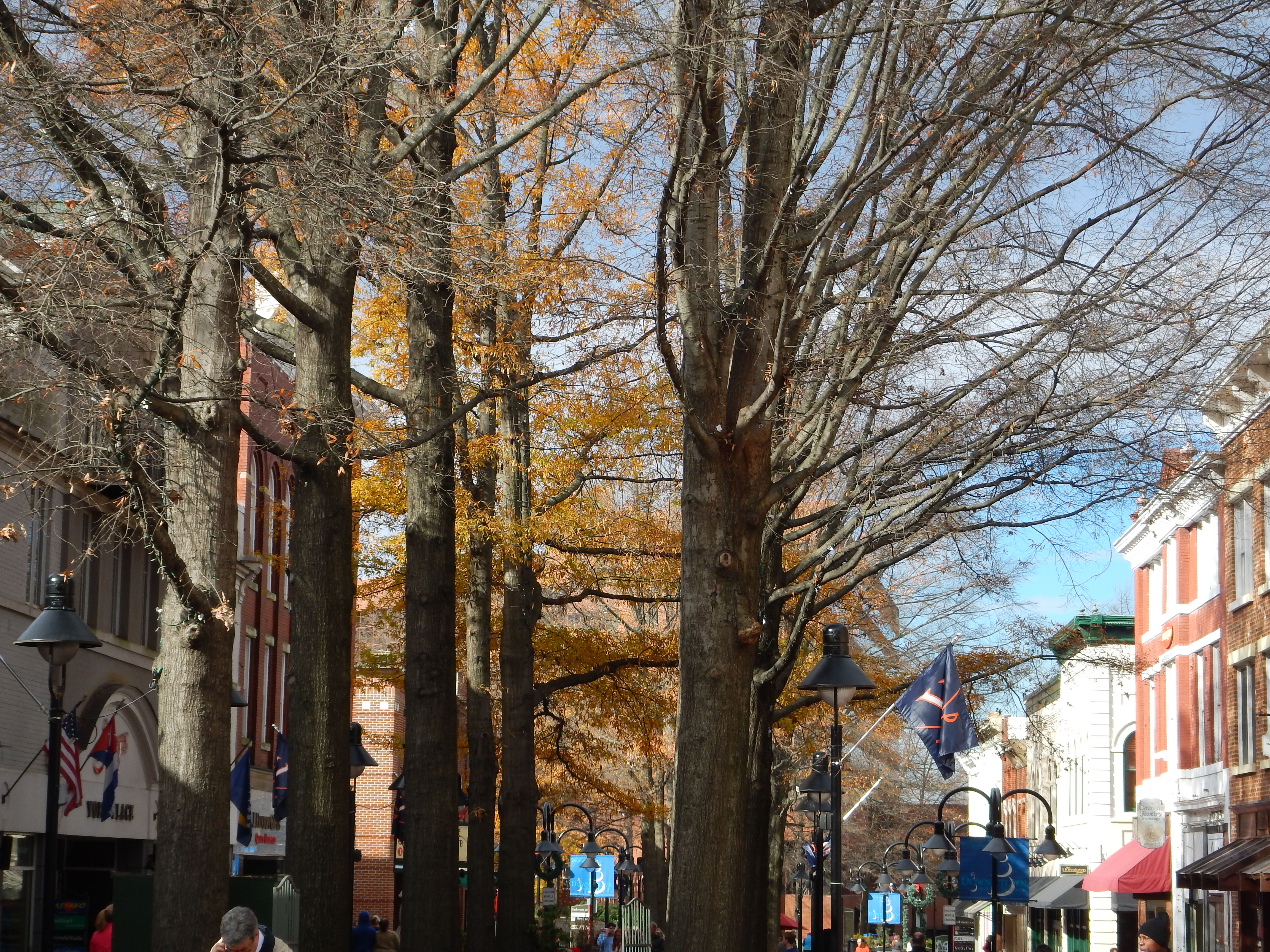
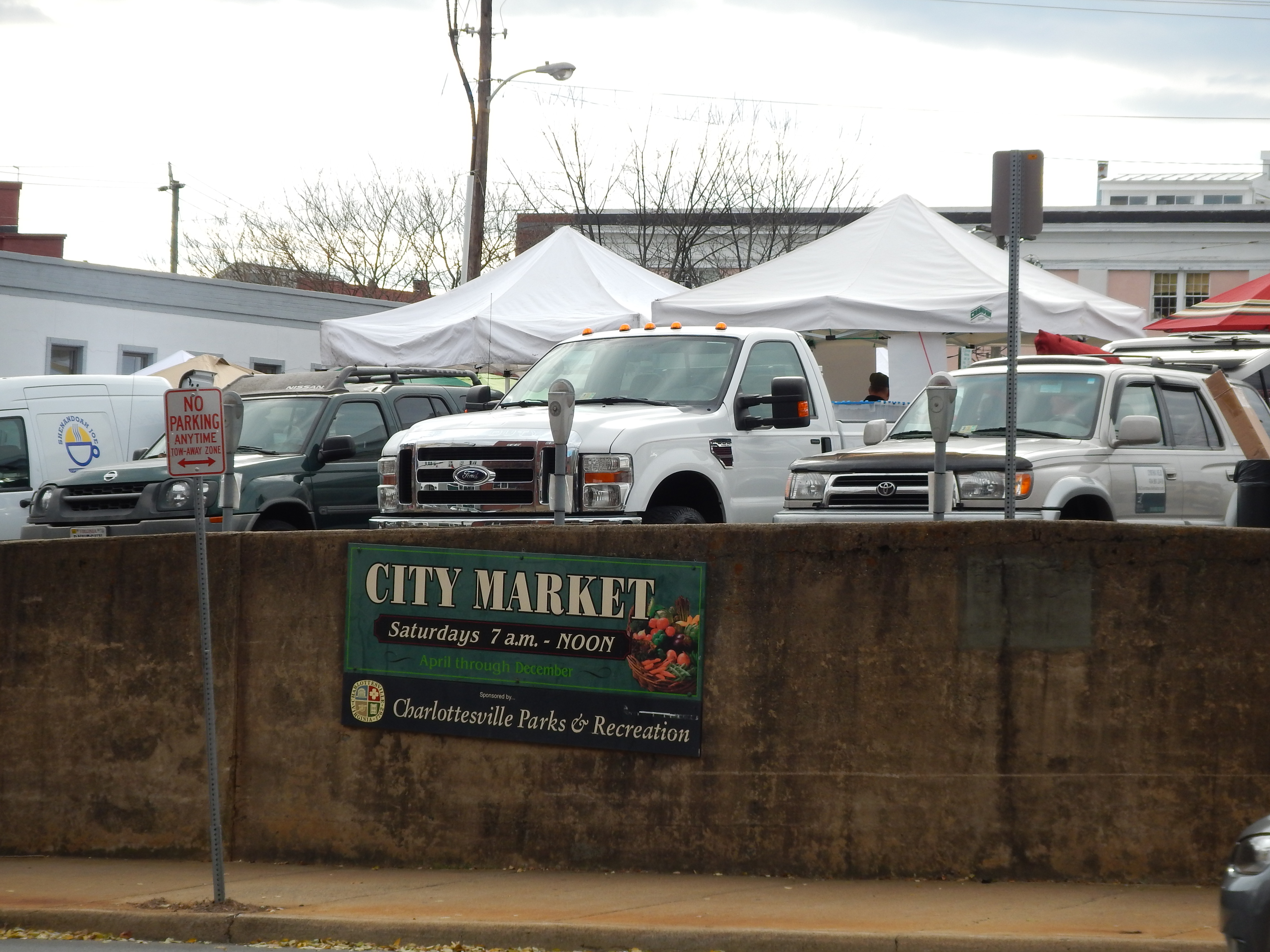
November 23, 2013: Charlottesville, Virginia
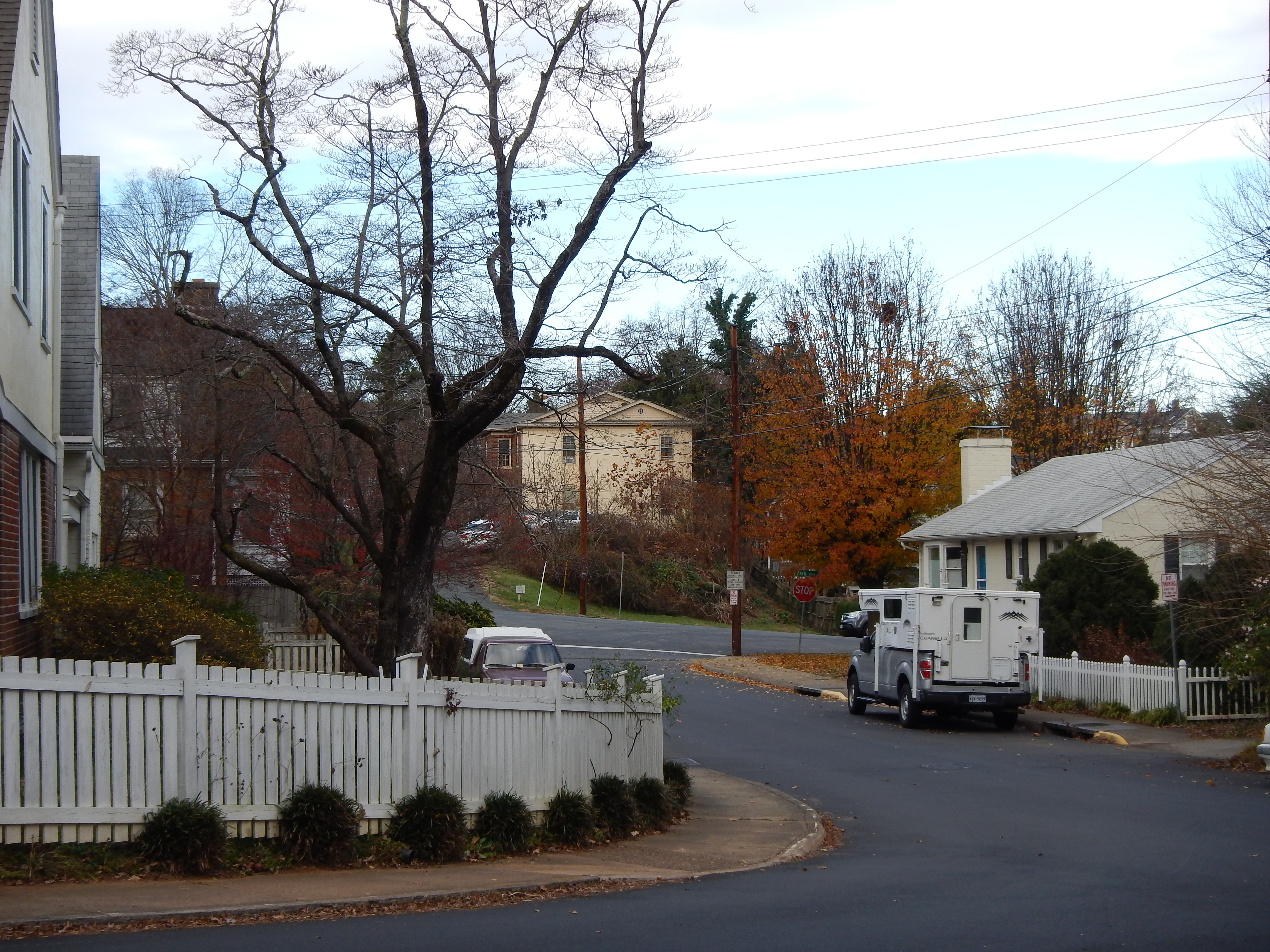
Yesterday, I considered writing about where I was, what I was doing, and what I felt on November 22, 1963. I thought better of it. Instead, today I took a walk in the neighborhood with my new camera.*
* A couple of weeks ago, even though I was just sitting on the couch, I broke my little Nikon camera. On Wednesday, I bought a new little Nikon. I am happy to note that this camera says it is shockproof and waterproof.
The Wedding Quilt
To me, the title of this post sounds like these words should be in an anthology of sentimental pioneer stories written in the late 1800s. This is the title I want, however, so I am wondering where these words will lead me.
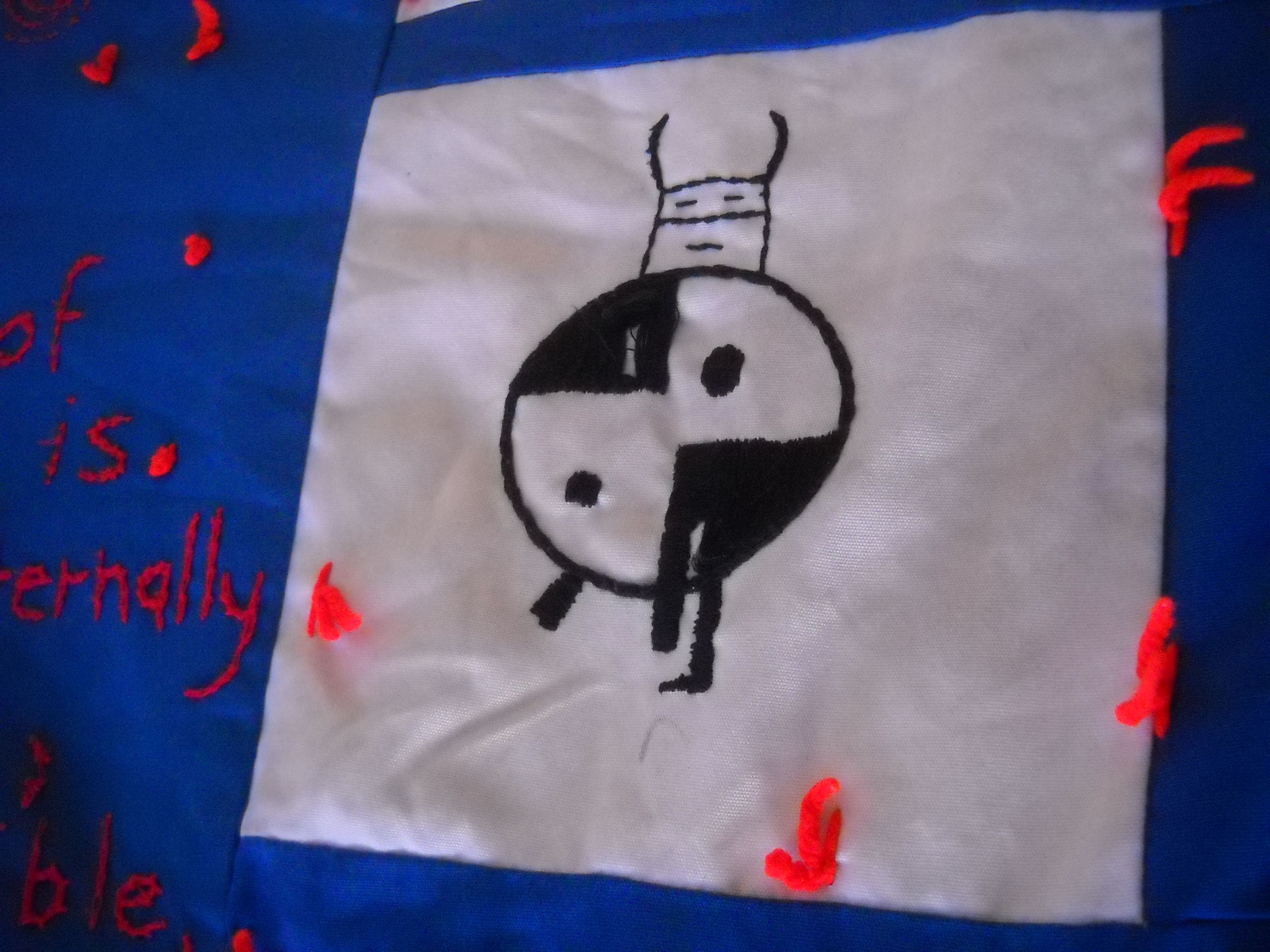
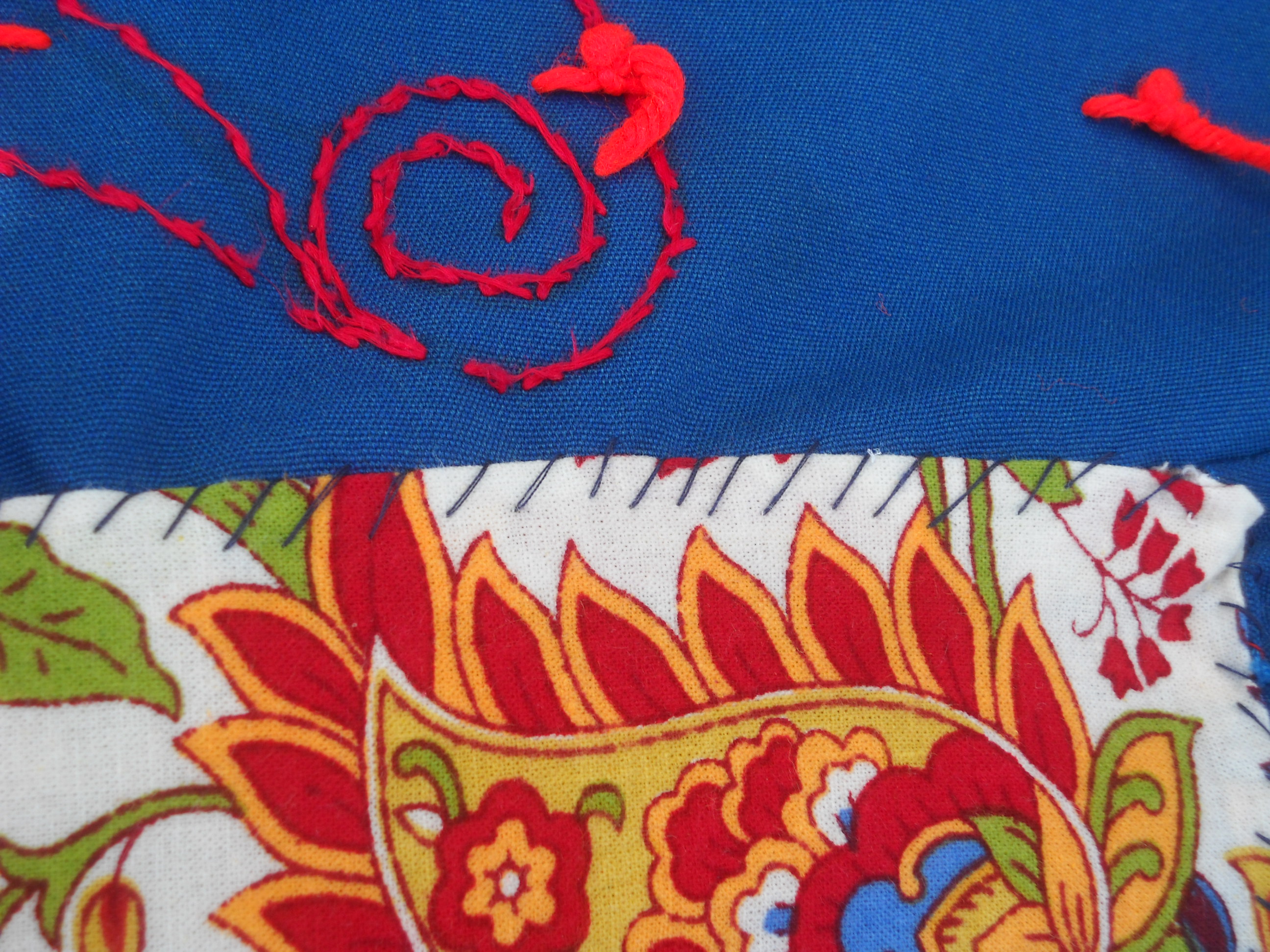
Looking Backward: Forty years ago next June, my sister-in-law, Betsy, made my husband, Tom, and me a quilt as our wedding gift. It took many months for the whole project to come together. Tom drew Hopi designs (or at least what Frank Waters thought were Hopi designs) on squares of cloth and Betsy embroidered them. She patched these squares together with squares of cloth she had taken from old shirts, skirts, and jeans. The skeleton around the patches was dark blue broadcloth (I think that’s what you call it). The quilt warmed our beds in our dumpy Salt Lake City apartments. The quilt was bright, bold, and strong, just as we all felt back then.
I gather now that I wasn’t supposed to wash the quilt as much as I did. However, there were the two of us and two babies (mewling and puking), and I like things clean. Please keep this in mind for a few paragraphs.
Way Back: I never could sew and I can’t sew now. I mean, I can sew on buttons and fix little rips and that is it. Because I wanted to make Christmas gifts by hand for my kids and because I was poor, I did piece together a few flannel nightgowns, some stuffed animals, and, I believe, a Superman cape for Robert, and sleeping bags for Martha the doll and Railroad Dog the stuffed animal. Way Way Back: I’m so old, I was required to take Home Ec when I was in 7th grade. I made the worst, the ugliest, the craziest-pleated kilt in Milford (MI) Junior High history. I kept it for years, although I do not know why. Please keep this mind, too.
Fifteen Years Ago: Some of the patches on the wedding quilt were falling apart. Maybe I had washed it too much. A few patches almost disappeared along with some of the embroidery. We bought bright—but not as bright—quilts and coverlets at L.L. Bean and packed the wedding quilt away.
Not Too Many Years Ago: Tom and I started thinking about what we might do when we retired. We planned to travel back to Utah and explore the places we’d missed, like Capitol Reef and Escalante. We told Betsy we’d pick her up from her little Utah town and go adventuring together again.
Five Years Ago: Betsy just up and died and we miss her.
2013: A) Tom and I went adventuring on the Colorado Plateau. We saw Black Dragon Canyon with Blaine and Bonnie, but Betsy, their dear friend, wasn’t there. We camped in Capitol Reef and it was even better than we had imagined. B) We got back to our house in Charlottesville, Virginia. We took some paintings out of storage. The wedding quilt was protecting one of the paintings. We lay the quilt on the lawn and saw that, really, only a handful of patches needed to be repaired.
Two Weeks Ago: I can’t sew worth anything, but I finished repairing the wedding quilt. It lies now on our bed and we will put it in the camper to go back to Utah when the new year comes. Although the quilt, and we ourselves, are not as bright, bold, and strong as when we were young, it’s alright, and, this time, Betsy will come along with us.
Here’s the song that always reminded us of Betsy:
Oh, had I a golden thread
And a needle so fine
I’ve weave a magic strand
Of rainbow design
Of rainbow design.In it I’d weave the bravery
Of women giving birth,
In it I would weave the innocence
Of children over all the earth,
Children of all earth.Show my brothers and sisters
My rainbow design,
Bind up this sorry world
With hand and heart and mind,
Hand and heart and mind.
(The Judy Collins version (from Whales and Nightingales, 1970) of “Oh, Had I a Golden Thread” by Pete Seeger, 1959)
To Autumn
I know it is the first day of autumn. I know it is the first day of autumn because
- they told me this morning on NPR,
- my husband, Tom, made beef barley vegetable soup,
- I made applesauce with some decent apples,
- The Washington, DC football team (my home team for over twenty-five years) was just beaten by the Detroit Lions (my back home home team) today,
- the dogwood leaves are turning red,
- the squirrels—crazy to bury the black walnuts—messed up the lettuce plants and radish, swiss chard, and beet seeds I planted yesterday, and
- the blue jays scold me from the branches.
Also: A week ago, when I was recovering from a fearsome case of poison ivy/oak/sumac/something and feeling sad, a murder of crows kept me company from my neighbor’s juniper tree. I notice they hang out together more when fall is coming.
About the dogwood: Our old dogwood is turning red early because it is dying. More precisely, it has dieback. We can’t bear to get rid of it quite yet—and the birds and bugs love it, too —so the tree will continue a while longer with Tom and me. Both of us as well as the dogwood have lived to much more advanced ages than John Keats did. Before he went, he managed to write a poem about autumn. I tip my cup of soup to him and his poem:
To Autumn
Season of mists and mellow fruitfulness,
Close bosom-friend of the maturing sun;
Conspiring with him how to load and bless
With fruit the vines that round the thatch-eves run;
To bend with apples the moss’d cottage-trees,
And fill all fruit with ripeness to the core;
To swell the gourd, and plump the hazel shells
With a sweet kernel; to set budding more,
And still more, later flowers for the bees,
Until they think warm days will never cease,
For Summer has o’er-brimm’d their clammy cells.Who hath not seen thee oft amid thy store?
Sometimes whoever seeks abroad may find
Thee sitting careless on a granary floor,
Thy hair soft-lifted by the winnowing wind;
Or on a half-reap’d furrow sound asleep,
Drows’d with the fume of poppies, while thy hook
Spares the next swath and all its twined flowers:
And sometimes like a gleaner thou dost keep
Steady thy laden head across a brook;
Or by a cyder-press, with patient look,
Thou watchest the last oozings hours by hours.Where are the songs of Spring? Ay, where are they?
Think not of them, thou hast thy music too,–
While barred clouds bloom the soft-dying day,
And touch the stubble-plains with rosy hue;
Then in a wailful choir the small gnats mourn
Among the river sallows, borne aloft
Or sinking as the light wind lives or dies;
And full-grown lambs loud bleat from hilly bourn;
Hedge-crickets sing; and now with treble soft
The red-breast whistles from a garden-croft;
And gathering swallows twitter in the skies.John Keats (composed in 1819)