Category Archives: Memoir

De Senectute

My hands are worn and my vest is worn. I was able to buy a new vest yesterday, but I am not sure what to do with my hands and the body to which they are attached.
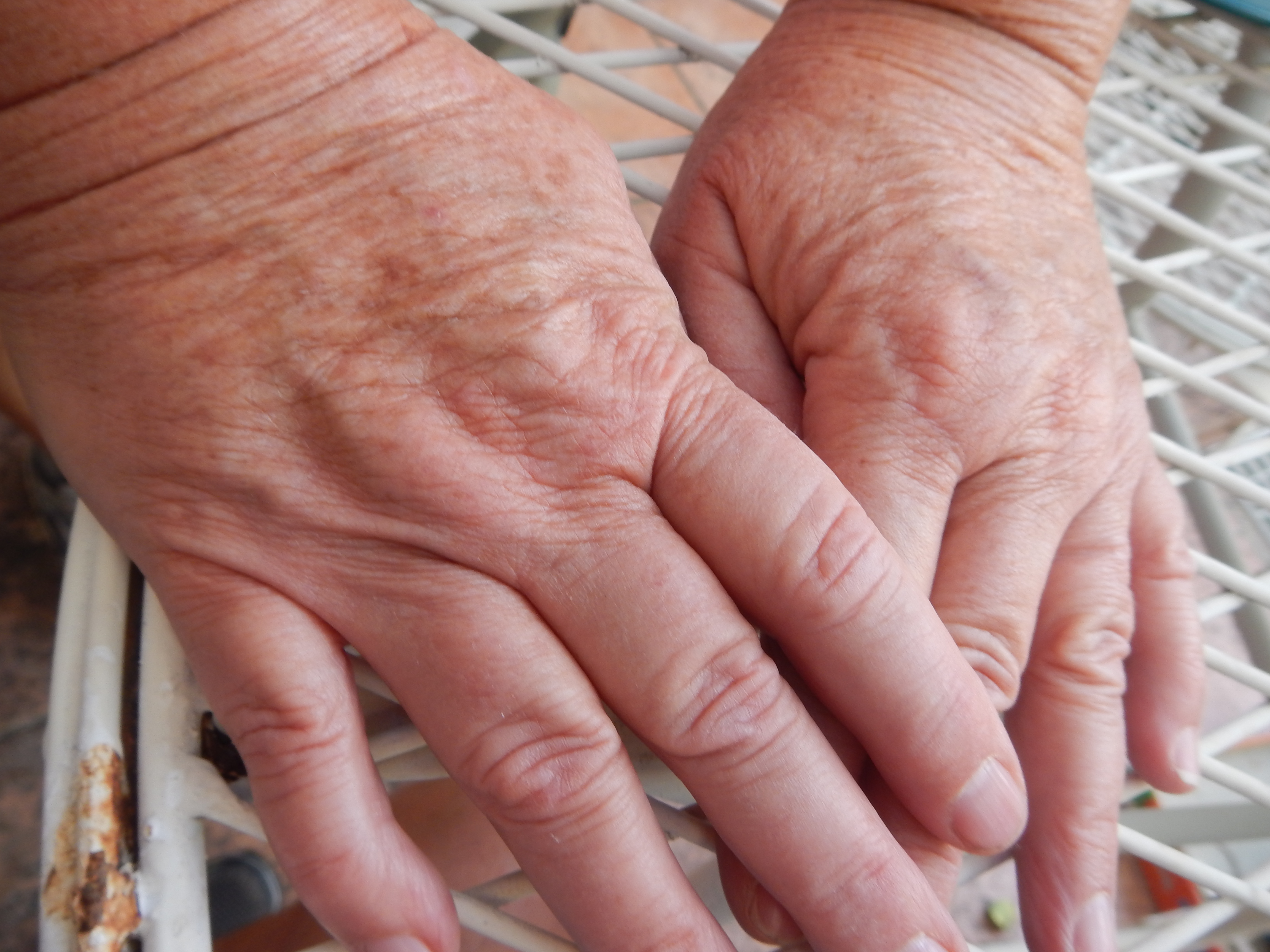
old hands

old hands

old vest

old vest

What started this line of thought: A few days ago my husband Tom read an article that noted that people 65 and older are “elderly.” As I am going to have my 65th birthday in a little over two months, I was not happy to hear it. “Older” I have been using for years. “Mature” I have used as a joke. “Old” I have recently accepted because to do otherwise would seem—to myself and to others—like I was avoiding reality, but “elderly”? I’m not going there. Then there were the articles in the New York Times: I read three of them about aging–one after the other. One article talked about retired people getting rid of possessions and traveling the world as carefree vagabonds. Another article talked about how the elderly (harrumph) can find pleasures in doing the small things in life like going to the public library. The final article talked about some Baby Boomers’ discomfort at finding themselves old.

Looking Backward: When I was a freshman in college, I translated Cicero’s De Senectute (On Old Age). I remember that I found the topic boring, that I wasn’t very good at the translating, and that I only got a C in the class. The good thing about this class for me was that it was Cicero and Catullus, and I loved Catullus.

I forget what Cicero had to say about old age, so I am not going to get any advice there, but I remember what Catullus had to say about love and I suspect that might help me as I look forward. As Catullus wrote to his beloved, I say to my husband: “Suns may set, and suns may rise again: but when our brief light has set, night is one long everlasting sleep.”*
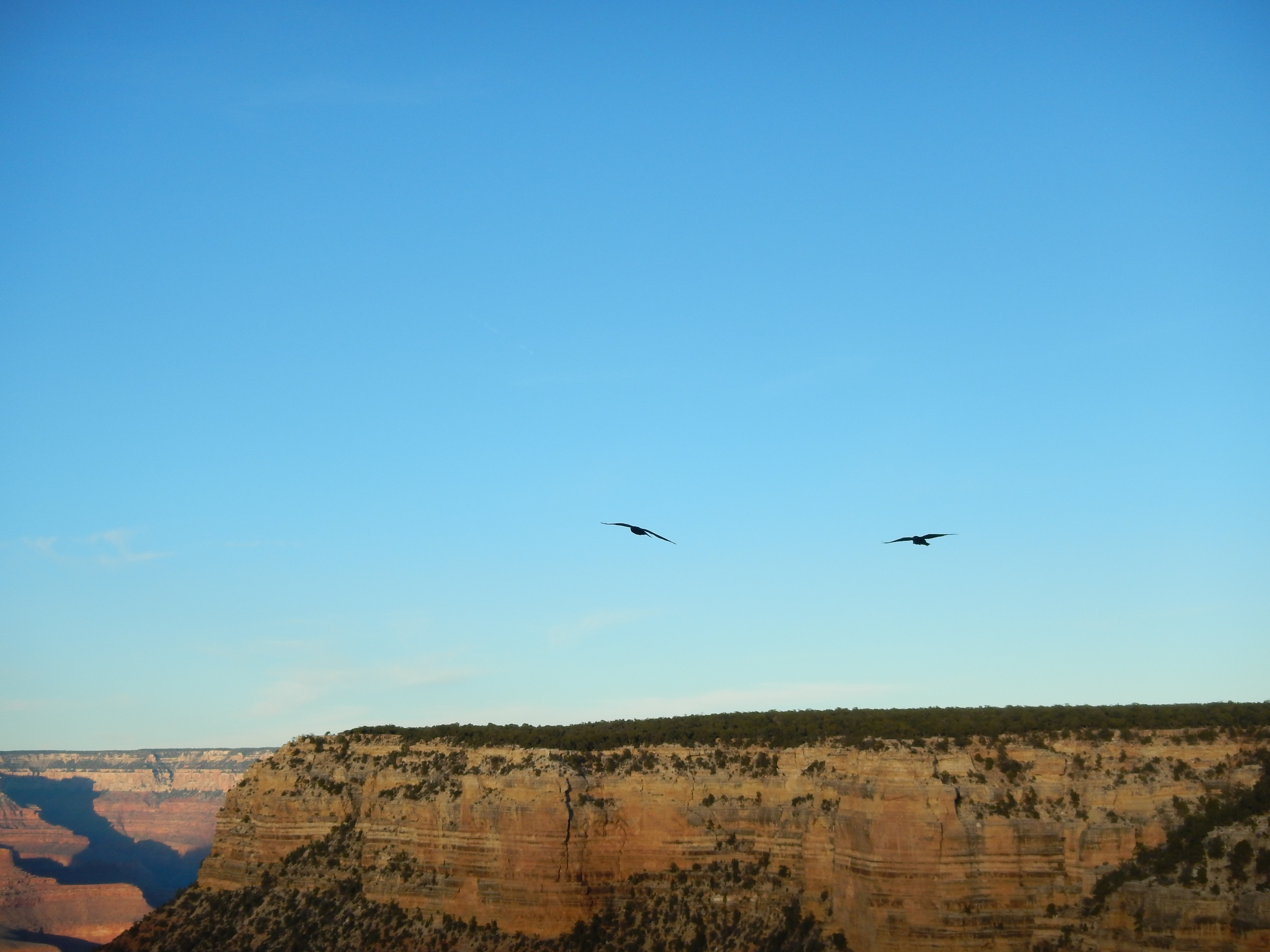
ravens on the South Rim at sunset

ravens on the South Rim at sunset

Note: If you haven’t read Catullus, I recommend Catullus: The Complete Poetry translated by Frank O. Copley. Used copies seem to be available on the Internet from $.01 upward. A new copy sells online for $506.98. Somewhere in storage in Charlottesville, I have my own copy of Copley and perhaps, the notebook where I wrote my own translations.

* This excerpt from poem #5 is translated by A. S. Kline at http://www.poetryintranslation.com/PITBR/Latin/Catullus.htm#_Toc531846828

Montezuma Pie

Last week Tom made Montezuma pie and it was delicious. I wish I had taken a photo of it to show you, but I was too interested in eating it to focus on anything else.

The first time we made Montezuma pie was in the modest house on Verbena Street in Denver in the early 1980s. It was a modest house, but we had an extravagant garden. For example, I had sugar snap peas and roma beans growing on fences everywhere. Also, the garden included four established rhubarb plants. We had pie (I used the Joy of Cooking recipe), coffee cake (I used the recipe from the same cookbook we got the Montezuma pie recipe, the name of which I forget), canned rhubarb, and rhubarb jam. I think this was where I first grew Anaheim peppers and it was definitely the first time I grew cilantro. It grew waist-high and I didn’t even like it much then. I can’t remember whether I grew the tomatillos for the dish..

Reasons I am writing about Montezuma pie (in order from least important to most important):

    –Readers seem to like it when I include recipes in the blog.

–It’s August–hot and dry where I am in Boise, and, I hear from my sources, unusually cool in the East–but it is harvest time nonetheless.

–Eating the dish last week reminded me of happy times when the children were young (well, we all were) and of gardens I have loved.

I hope you enjoy the dish, which also tastes good without the chicken. Happy August.

Montezuma Pie

Ingredients

  • 3 split chicken breasts, cooked, skinned, boned and shredded, and seasoned with salt and pepper to taste
  • 2 onions, sliced and cooked in oil until soft and seasoned with salt and pepper to taste
  • 8 Anaheim chiles, roasted and peeled and sliced into strips, then salted to taste
  • Tomatillo sauce–cook one pound of tomatillos, one diced onion, 6 garlic cloves, and one diced serrano or jalapeño in water just to cover, until soft. Pulse or mash entire cooked mixture including liquid until chunky-smooth. Add enough liquid (water or chicken broth to make one quart total.   Add one half bunch chopped cilantro and salt and pepper to taste.
  • 1 pound grated cheese–Monterey Jack, pepper jack, or whatever you want
  • 1 pint Greek yogurt, sour cream, or crema Mexicana
  • 1 dozen corn tortillas

Process

In a suitable casserole dish (non-aluminum, a glass 9 by 13 baking dish works well) place one third of the tomatillo sauce.   Place 6 tortillas over that, evenly.   Put one half of the onions, Anaheims, and chicken evenly over the tortillas. Place one third of the tomatillo sauce evenly over that.   Place one half of the cheese and yogurt evenly over that. Repeat with remaining tortillas, onions, Anaheims, chicken, tomatillo sauce, cheese and yogurt.   Bake at 350 degrees Fahrenheit until done, with cheese bubbling and brown, about 45 minutes to one hour.


Link
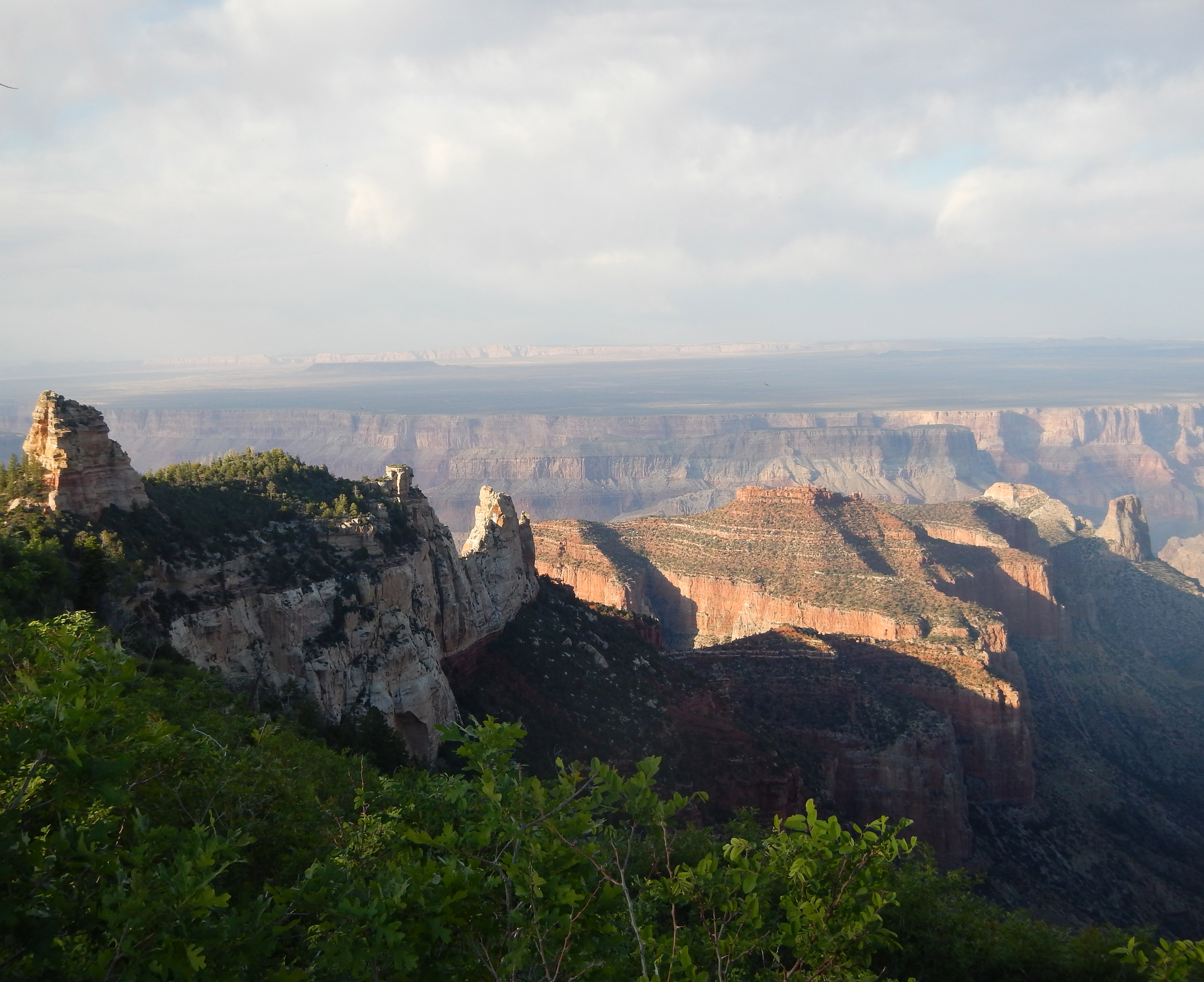
Transept Canyon from Widforss Point

Transept Canyon from Widforss Point

Of the North Rim of the Grand Canyon, our friend (and best man) Art says there are, “Absolutely no words.” I think he’s right, but I am going to sprinkle a few among the photos.

North Rim, AZ

North Rim, AZ


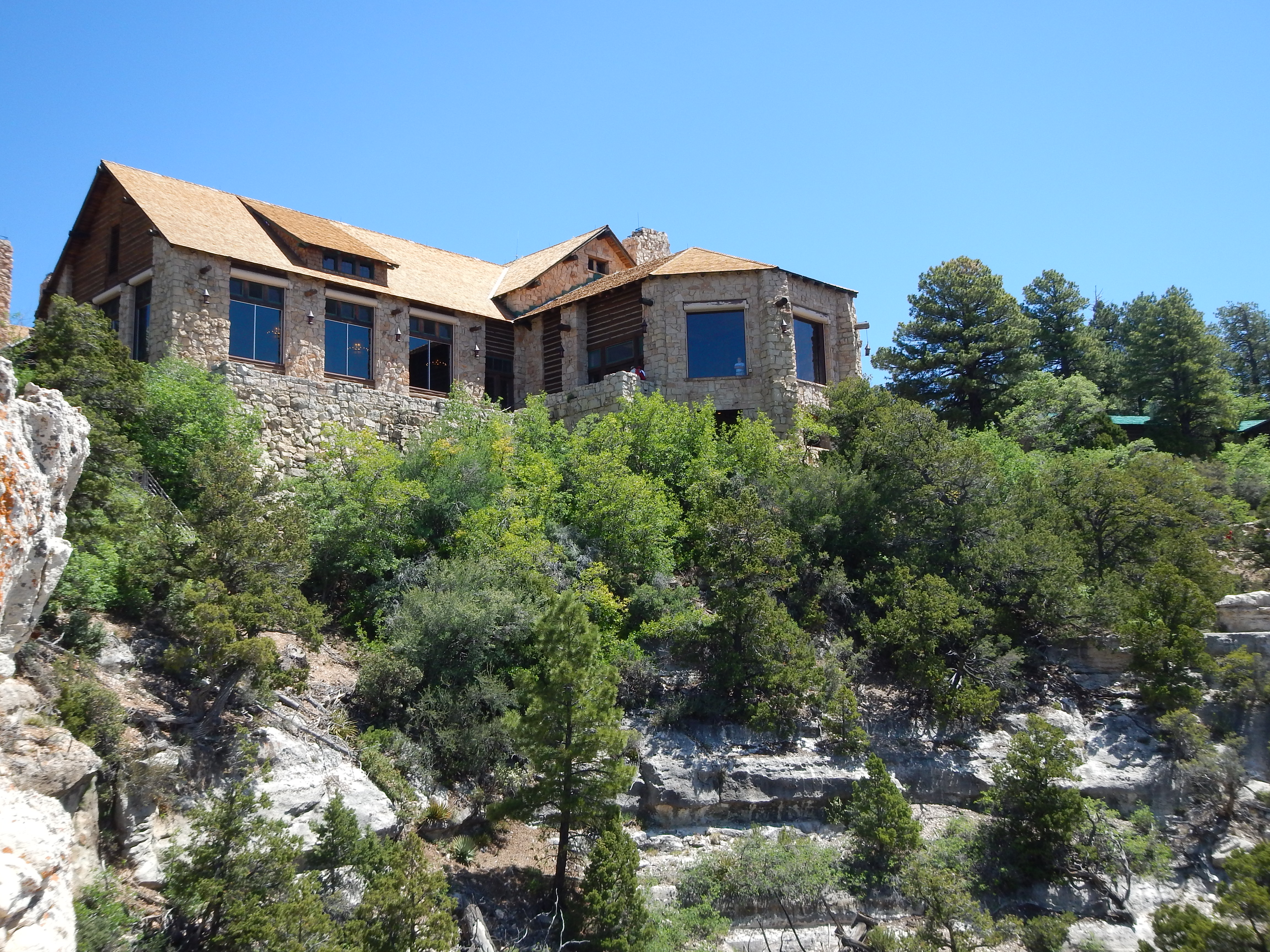
Grand Canyon Lodge

Grand Canyon Lodge

towards Bright Angel Point

towards Bright Angel Point

Roosevelt Point

Roosevelt Point

Our friend Paula DeLancey–gone unto another plane these 30 years and more–said we were “lucky ducks” and so we were to live together there on the rim.

cliff rose

cliff rose

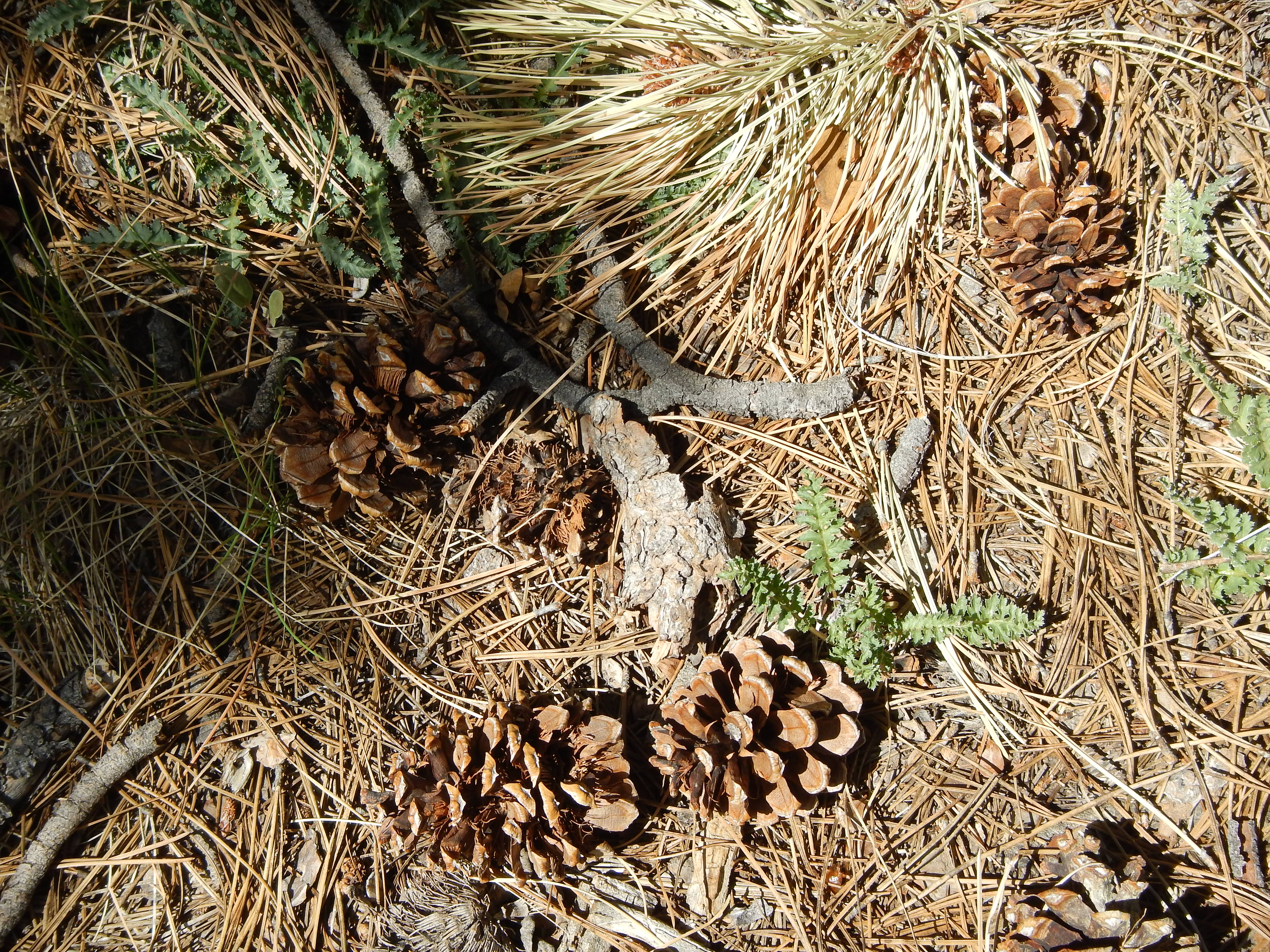
forest floor

forest floor

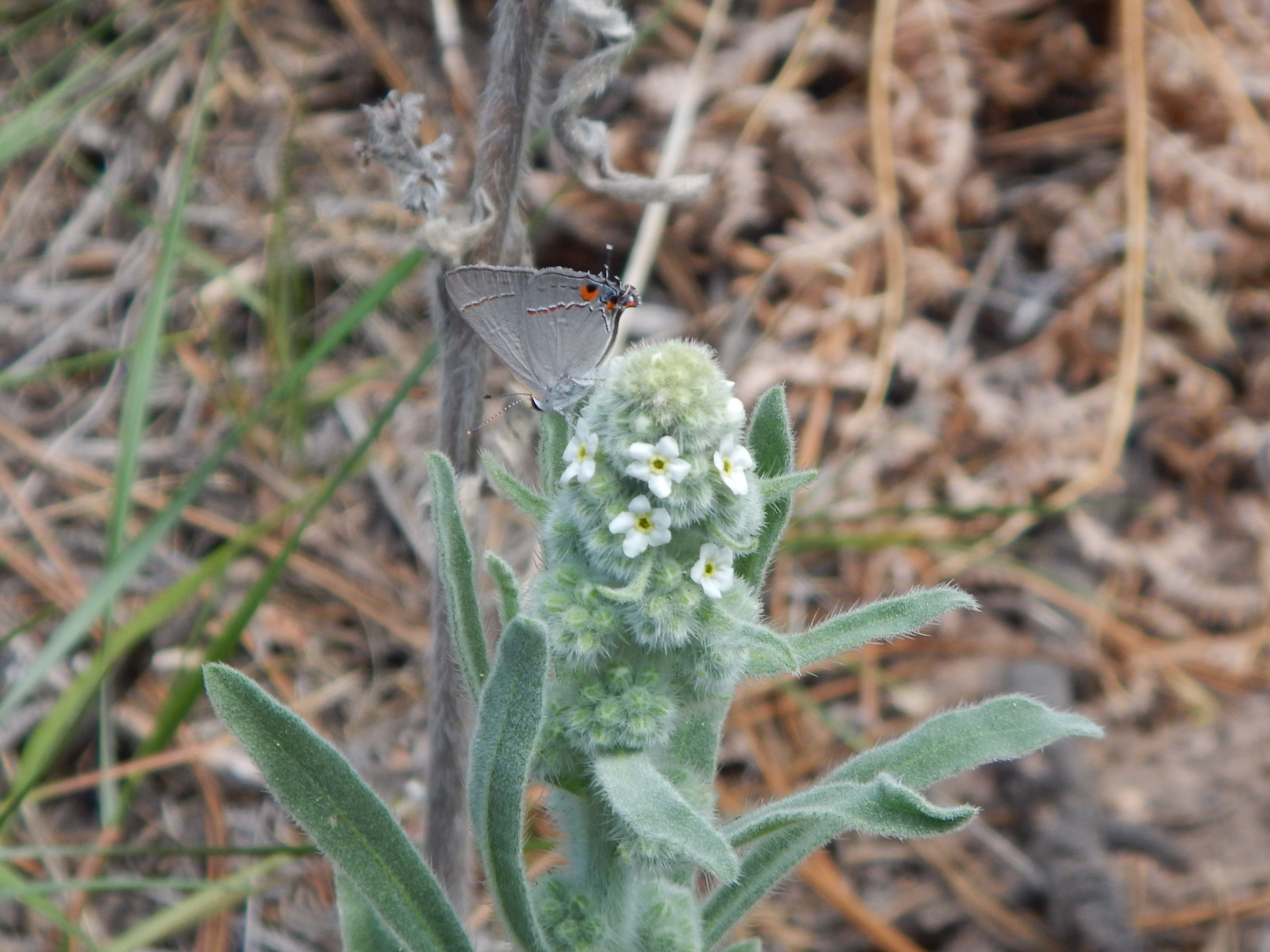
butterfly and flower on the Widforss Trail

butterfly and flower on the Widforss Trail

When I am at the rim, I think quite a bit about William Butler Yeats.  Hard not to with the bee-loud glades in the sunny meadows among the ponderosas and aspens. Right now, I am thinking of  “Easter, 1916”  where Yeats lists those he won’t forget. Along with Art and Paula (above) and Sally (below) I don’t forget:  Chef Floyd and Bertha of the pantry, Leah and Karen–the sisters, Bill of the Mozart horn concertos and Kentucky bourbon, Anita and Becky–cousins and my roommates, Terri–so earnest (one of my favorite character traits), Keith and Pat–hippies among the Mormons, Sue–courted in moonlight by a wrangler on horseback, Richard of the trail and pantry, Jim–sweet baker, Howard–dear friend, and all the rest. Thank you.

Kaibab ponderosas

Kaibab ponderosas

Aspens in the Kaibab National Forest copyright Lynda Terrill

Aspens in the Kaibab National Forest

This photo is for Sally, mule girl, friend, and maid of honor:

mule desk, North Rim

mule desk, North Rim

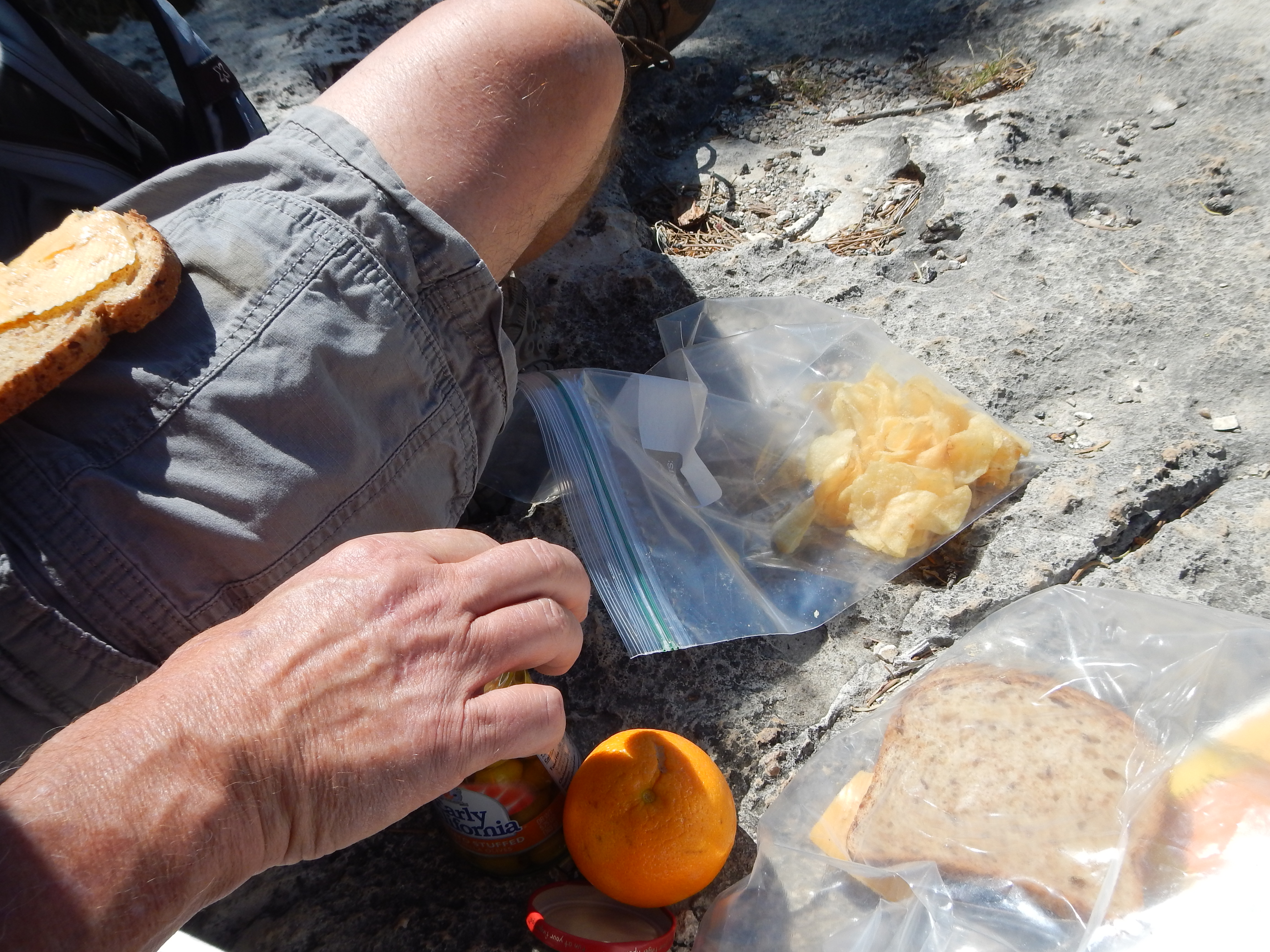
Yes, I said maid of honor.  In three days, Tom and I will have been married 40 years. In that time, we’ve shared many lunches.

lunch

lunch

Lucky ducks, indeed.

April: Cruelest Month (?), Earth Day, Earth Mother, and the Possible Limitations of Agnosticism

lilacs, Denver Botanic Gardens

lilacs, Denver Botanic Gardens

I want to go on record that I don’t think April is the cruelest month. How could I believe that when my youngest child and my father were born one day (and about 70 years) apart in early April? I just like T.S. Eliot and so I usually remember these words about this time of year:

April is the cruellest month, breeding
Lilacs out of the dead land, mixing
Memory and desire, stirring
Dull roots with spring rain.
Winter kept us warm, covering
Earth in forgetful snow, feeding
A little life with dried tubers.

From “The Waste Land,” by T.S. Eliot, 1922

I have also been thinking about Earth Day/old days. In 1970, I went to the Teach-In on the Environment at the University of Michigan. We were big on teach-ins back there in Ann Arbor. 1970 was also the first summer I went west and thereby became even more taken with nature than I was growing up on a lake in Michigan. In Ann Arbor, I was a minor functionary in ENACT (Environmental Action for Survival). In fact, in 1971, I submitted testimony for ENACT related the Trans-Alaska Pipeline to Congress. My own comments related to possible drawbacks of the pipeline for native peoples were included along with other, more academically expert, testimony. Since I am bringing up this tiny historical footnote, you probably notice that it was a big deal for me. I think we all stopped the pipeline for a few minutes or something.

Not only was I not very successful as an environmentalist, I didn’t even make it as an Earth Mother, and that designation didn’t seem to require any coursework. I sort of went back to the land to the extent that I have been an (mostly) organic gardener for forty years. I do recycle (some), I do clean with vinegar and other non-toxic materials, and I think our children feel a connection with and a responsibility to the natural world.

The Part about Agnosticism: Actually, I am a flaming agnostic (some might say waffler, know-nothing, etc.). I don’t claim to know anything  about god or the meaning of the universe–and I have a hard time figuring out how one would claim to know such information–and I don’t have much use for or patience with organized religion. The thing is, because of my broken wrist (see, Scat Happens), I have had call to stretch my hands like this:

hands

hands

This exercise has made me think about prayer. I am still a flaming agnostic and proud of it, but I am still reverent and hopeful within the natural world. So, below are a few of the photos I’ve taken on our travels. Happy Birthday Bill and Dad. Happy April. Happy Earth Day/Week/Month.

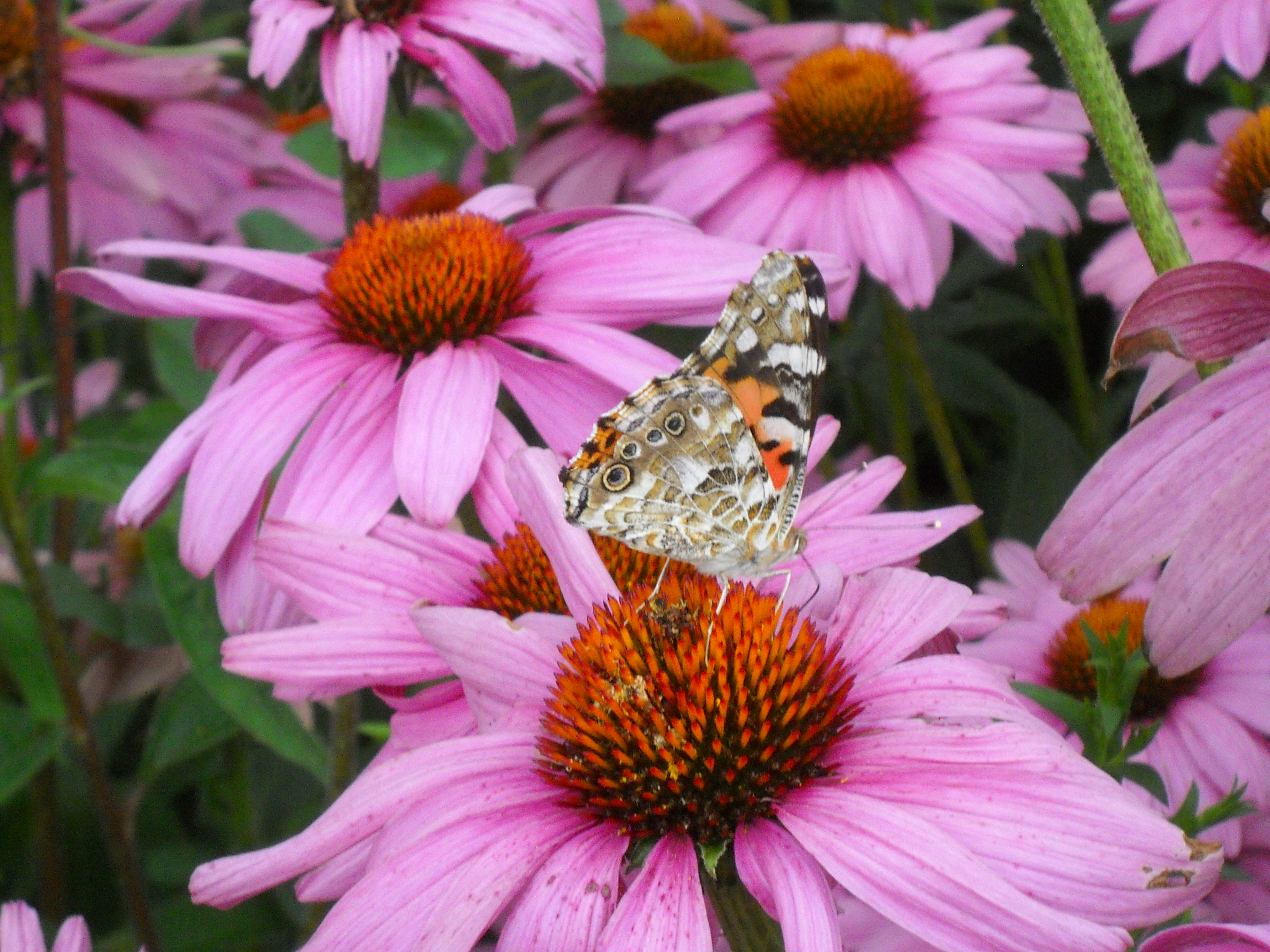
butterfly and coneflowers

butterfly and coneflowers


Scenic Lake, Michigan

Scenic Lake, Michigan

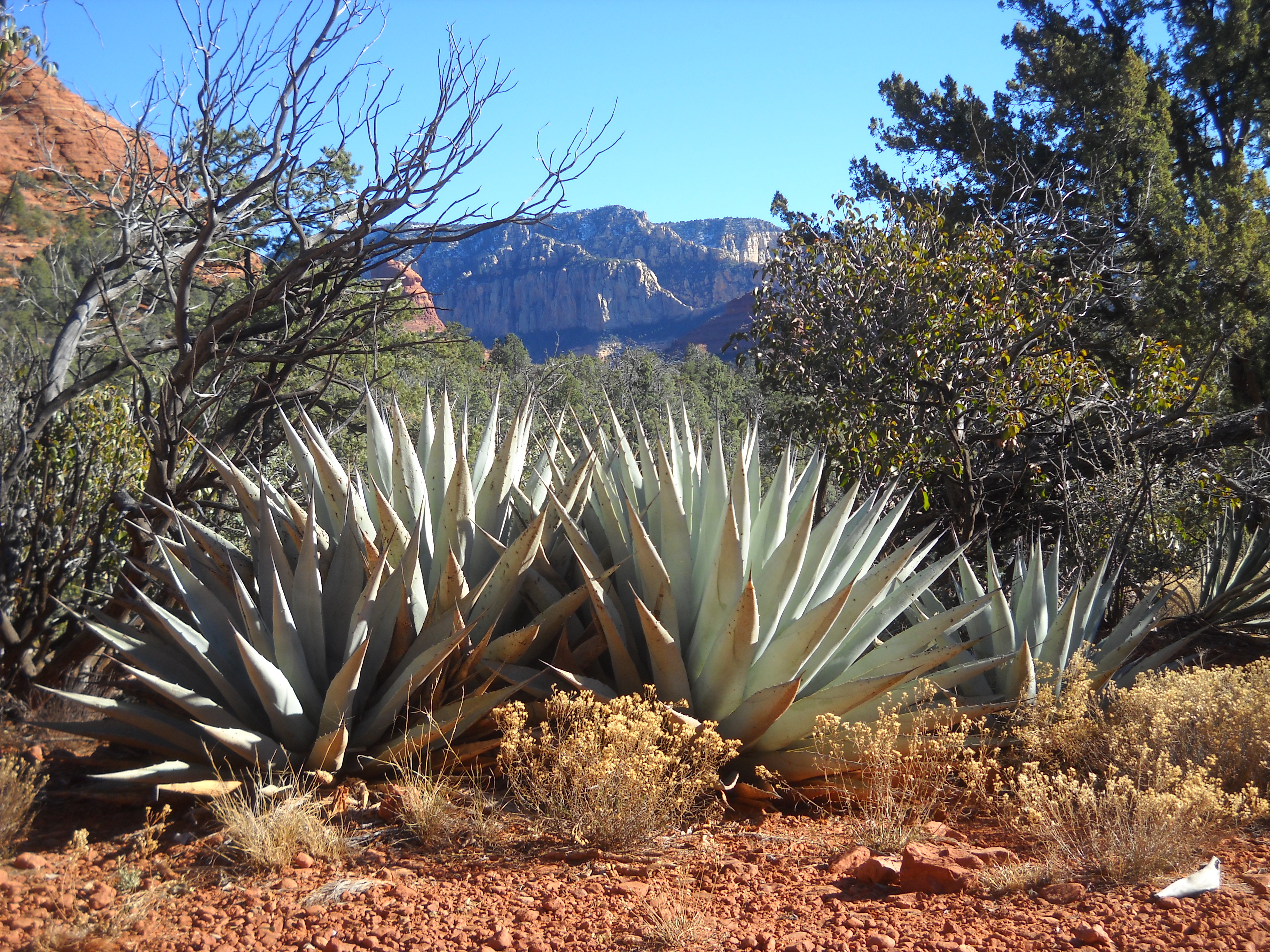
Sedona, Arizona

Sedona, Arizona

Great Sand Dunes, Colorado

Great Sand Dunes, Colorado

View of Cape Royal and Wotan's Throne, Grand Canyon

View of Cape Royal and Wotan’s Throne, Grand Canyon

Great Salt Lake from Antelope Island, Utah

Great Salt Lake from Antelope Island, Utah

Garden of the Gods, Colorado

Garden of the Gods, Colorado


Book Report

I read Wallace Stegner’s Mormon Country (for the first time) in the spring of 1970. That book ignited my passion for reading/almost reading/meaning-to-read books about the Colorado Plateau. Recently, in fact, I have accelerated my reading on this and related topics. This past year, in the camper on the road or in my chair at home dreaming of the red rocks, I’ve read:

  • Stone House Lands: The San Rafael Reef by Joseph M. Bauman
  • The Exploration of the Colorado and Its Canyons by J. W. Powell
  • A Canyon Voyage: The Narrative of the Second Powell Expedition by Frederick S. Dellenbaugh
  • William Lewis Manly’s Death Valley in ’49 published by Lakeside Press
  • Utah Road and Recreation Atlas by Benchmark Maps
  • The Geology of the Parks, Monuments, and Wildlands of Southern Utah: Including Road Logs of Highways and Major Backroads through the Grand Staircase-Escalante National Monument by Robert FillmoreGeology
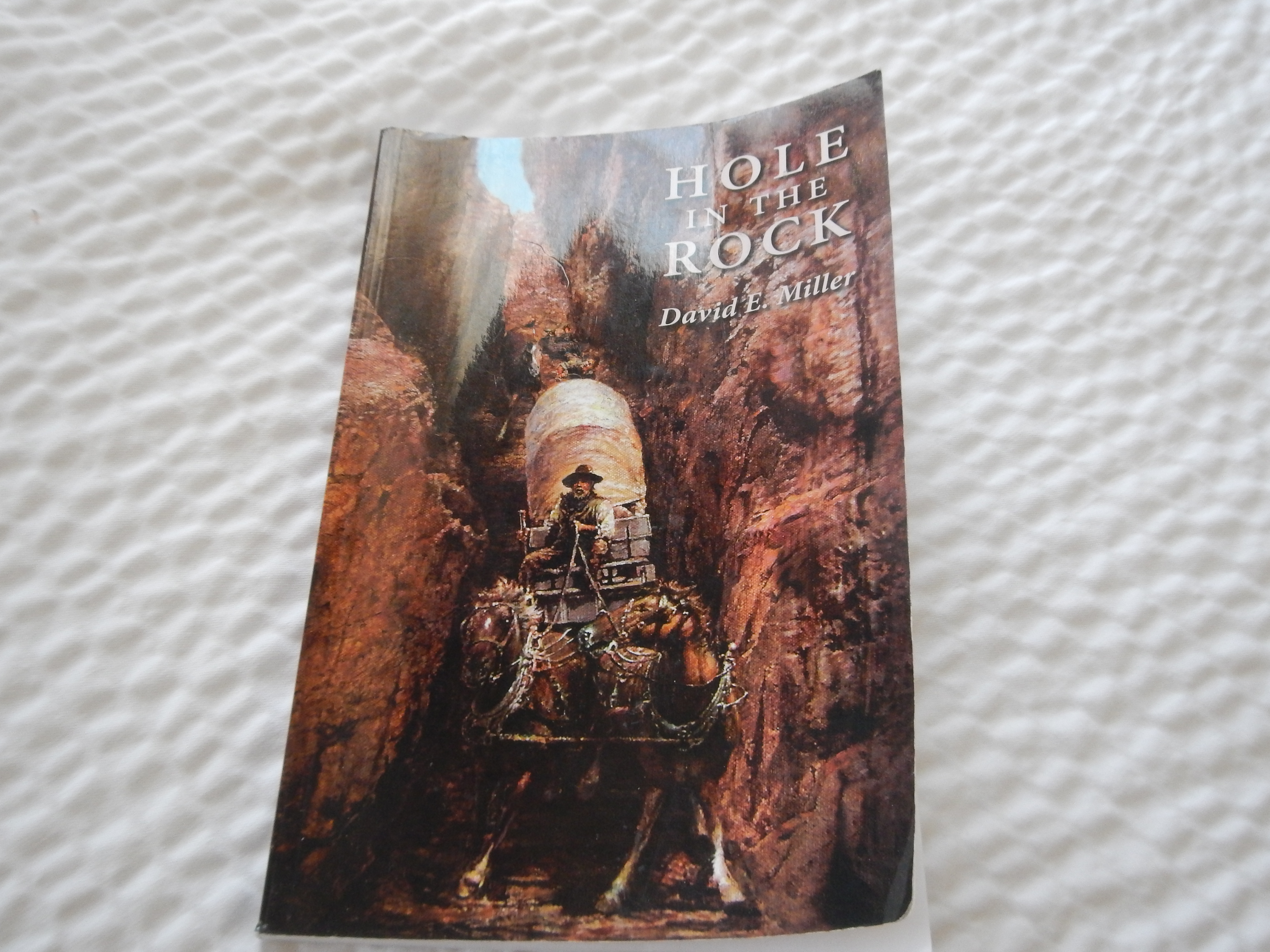
  • Hole in the Rock: An Epic in the Colonization of the Great American West by David E. MillerHole in the Rock
  • The Boy with the U.S. Survey by Francis Rolt-WheelerBoy with the U.S.
  • Roads in the Wilderness: Conflict in Canyon Country by Jedediah S. Rogers (I just started this one)Road in the Wilderness

A relic from before they messed up Glen Canyon: The Glen Canyon Archeological Survey, Anthropological Papers #39 May, 1959 (Glen Canyon Series Number 6), Part 1 by Don D. Fowler, James H. Gunnerson, Jesse D. Jennings, Robert H. Lister, Dee Ann Suhm, Ted Weller. Tom bought me this used from Sam Weller’s Books in Salt Lake City, in 1972—the year I taught school in Page, Arizona.Glen Canyon

I do read other kinds of books: I just finished Lizzie Bright and the Buckminster Boy by Gary D. Schmidt, the latest in my quest to read all of the Newbery Medal and Honor Books. I also finally read and loved Nicholas Nickleby by Charles Dickens and Ivanhoe by Sir Walter Scott.

Speaking of Books and the Colorado Plateau: Did you know that, according to the Southern Utah Wilderness Alliance (http://www.suwa.org/multimedia/map/book-cliffsdesolation-canyon-region/), the Book Cliffs (from East Central Utah into Western Colorado) is “the longest continuous escarpment in the world?”

For my friends from back in the day: an excerpt from The Exploration of the Colorado and Its Canyons:

Still farther east is the Kaibab Plateau, culminating table-land of the region. It is covered with a beautiful forest, and in the forest charming parks are found. Its southern extremity is a portion of the wall of the Grand Canyon….Here antelope feed and many a deer goes bounding over the fallen timber. In winter deep snows lie here, but the plateau has four months of the sweetest summer man has ever known. (p. 102)

Exploration

Old Year, New Year: Flexibility, Part 3

I didn’t know there was going to be a Flexibility, Part 3.  I had thought that I had explored my flexibility (and lacks thereof, various) sufficiently in Flexibility, Parts 1 and 2.  This has not proven to be the case.

  • When I contort my arms while doing my stretches, my left shoulder hurts. I think I am losing strength and range of motion (e.g., flexibility) because  I haven’t used my weights in over a week.  We are on the road again, plus it was a) too stormy b) too cold c) too sad (see below) d) too cold (second round) to get the weights out of their storage space in the camper.
  • Yesterday morning, after re-stowing the–once-frozen, now defrosted–canned goods in the camper, my hands were so cold that I went back to the cabin, whimpered from the pain in my thumbs, and sat in a chair all day with a blanket up to my chin.
  • I am warm today as I sit here in the food court of the Myrtle Beach Mall, Kings Highway, Myrtle Beach, S.C. I sit here and miss my father and mother.  How flexible is that?   I might have gotten used to their being gone since it has been  20 years and more.  Without my parents’ kind hearts and bright souls here to raise my spirits, I feel like I am in a cave without a light.

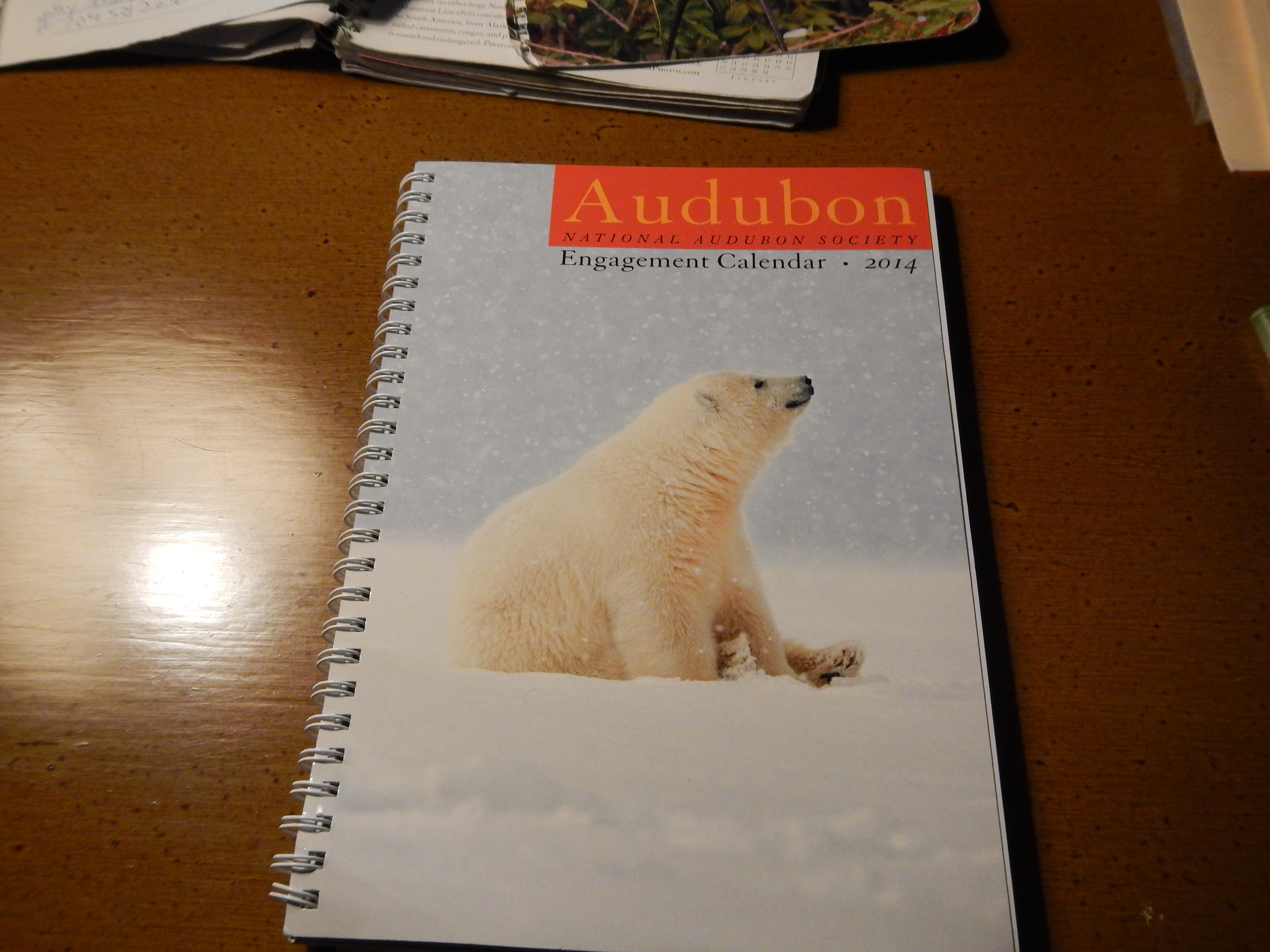
I’m late: I usually transfer the data from my old day planner to my new day planner by around January 1 of the new year.  It’s some sort of ritual for me–copying names, numbers, emails, addresses from the old book to the new. Note: I also transcribe some of my passwords onto the day planner pages. Because of that, in a fit of sense, I am not posting my photo of the old and new  day books  together as I had intended.  Someone might be able to read my little secret codes.

New day planner

New day planner

Speaking about rituals: For the last several years, I have affixed a Post-It note with lyrics to the back of the day planner. This year, I have actually written the words on the inside cover:

There is a town in North Ontario,
With Dream comfort memory to spare,
And in my mind
I still need a place to go,
All my changes were there

For decades, I  would understand the North Ontario part, and then I would hear Neil mumble the next lines: something, something, something.  I didn’t know what the somethings were or meant, but I felt they were important and the words I couldn’t understand made me want to cry.

I do, however, understand the meaning of the song title: Helpless.

I grow old. Someone else wrote, “I grow old, I grow old, I shall wear the bottoms of my trousers rolled” (“The Love Song of J. Alfred Prufrock” by T.S. Eliot). I used to think that line was a bit funny.  Now, I get it.

I think I am fit and flexible. When I ask, people tell me my gait is fine. However when I see my shadow, I see a little something wobbly with the gait on my right leg.

Shadow

Shadow

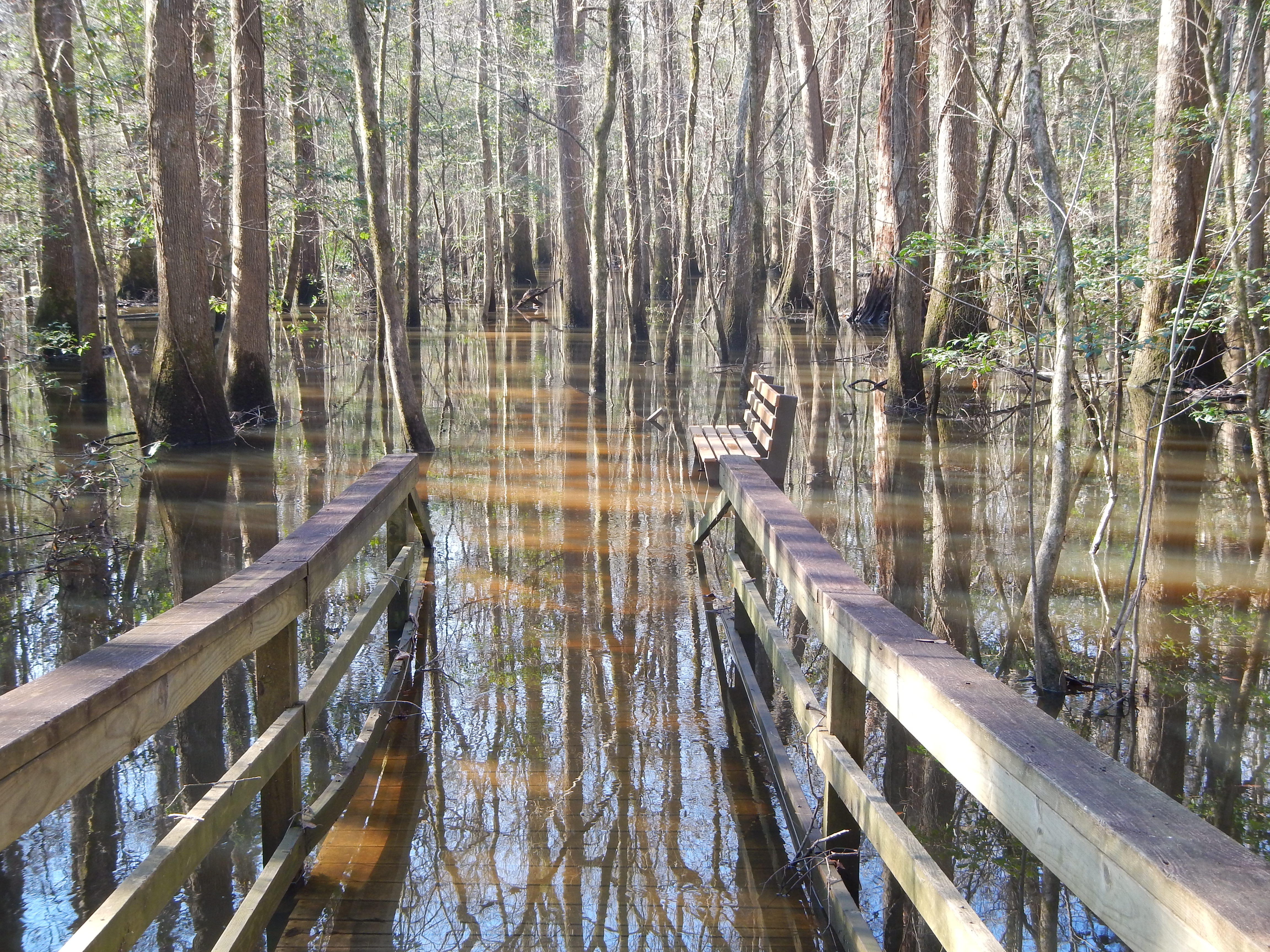
I can’t seem to stop walking into swamps of one sort or another, but then I remember, I love swamps.

Congaree National Park

Congaree National Park

I am helpless to stop people I love from dying. So, Ave atque Vale (check your Catullus) and Happy New Year.

Sunlight and water, Myrtle Beach

Sunlight on sea foam, Myrtle Beach

The Wedding Quilt

To me, the title of this post sounds like these words should be in an anthology of sentimental pioneer stories written in the late 1800s.  This is the title I want, however, so I am wondering where these words will lead me.

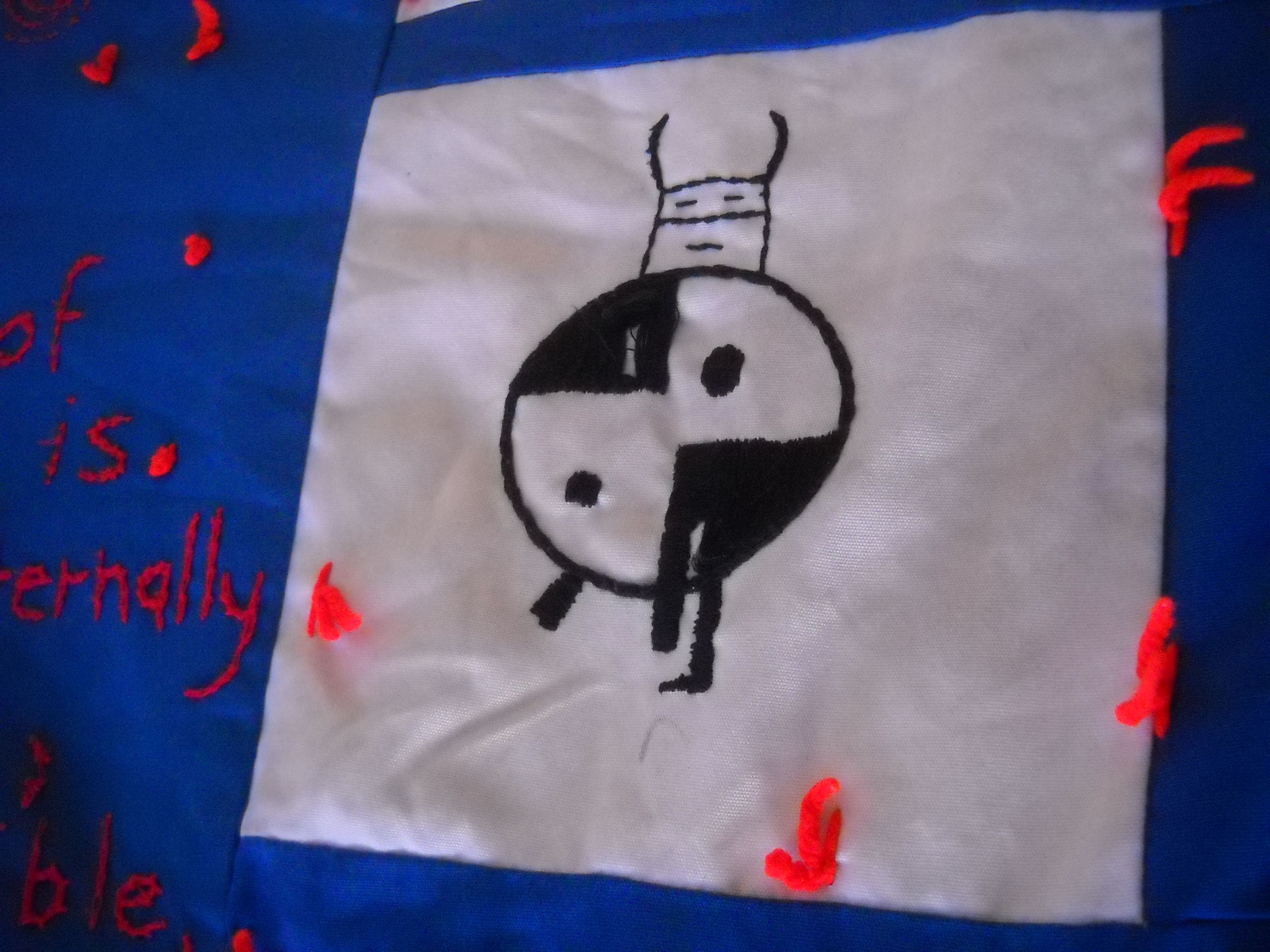
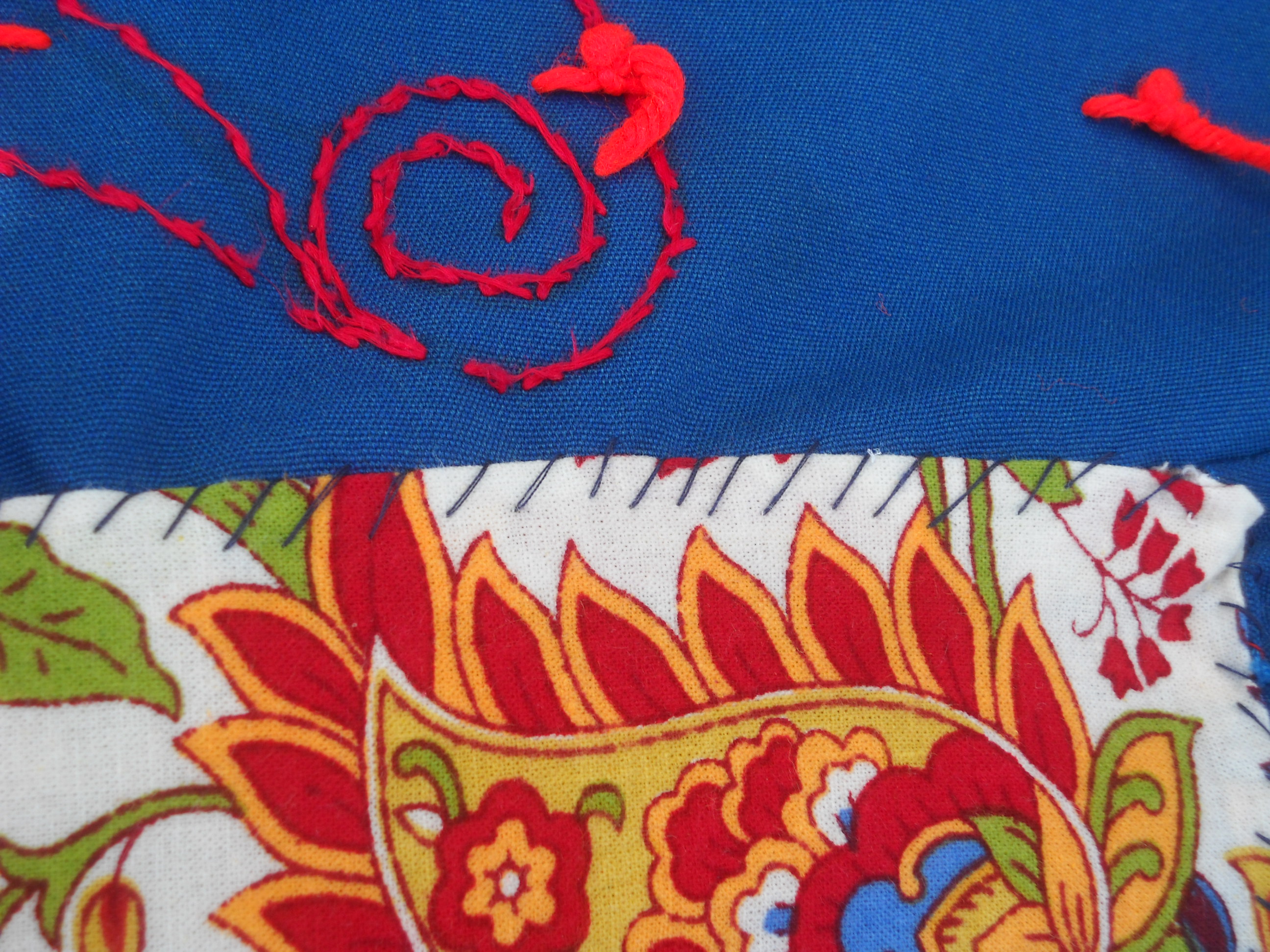
Looking Backward: Forty years ago next June, my sister-in-law, Betsy, made my husband, Tom, and me a quilt as our wedding gift.  It took many months for the whole project to come together.  Tom drew Hopi designs (or at least what Frank Waters thought were Hopi designs) on squares of cloth and Betsy embroidered them. She patched these squares together with squares of cloth she had taken from old shirts, skirts, and jeans.  The skeleton around the patches was dark blue broadcloth (I think that’s what you call it). The quilt warmed our beds in our dumpy Salt Lake City apartments. The quilt was bright, bold, and strong, just as we all felt back then.

quilt detail: turtle

quilt detail: turtle

I gather now that I wasn’t supposed to wash the quilt as much as I did. However, there were  the two of us and two babies (mewling and puking), and I  like things clean. Please keep this in mind for a few paragraphs.

quilt detail: Hopi figure

quilt detail: Hopi figure

Way Back: I never could sew and I can’t sew now. I mean, I can sew on buttons and fix little rips and that is  it.  Because I wanted to make Christmas gifts by hand for my kids and because I was poor, I did piece together a few  flannel nightgowns, some stuffed animals, and, I believe, a Superman cape for Robert, and sleeping bags for Martha the doll and Railroad Dog the stuffed animal.  Way Way Back: I’m so old, I was required to take Home Ec when I was in 7th grade.  I made the worst, the ugliest, the craziest-pleated kilt in Milford (MI)  Junior High  history.  I kept it for years, although I do not know why.  Please keep this mind, too.

quilt detail: sun figure

quilt detail: sun figure

Fifteen Years Ago: Some of the patches on the wedding quilt were falling apart. Maybe I had washed it too much.   A few patches almost disappeared along with some of the embroidery. We bought bright—but not as bright—quilts and coverlets at L.L. Bean and  packed the wedding quilt away.

Not Too Many Years Ago: Tom and I started thinking about what we might do when we retired.  We planned to travel back to Utah and explore the places we’d missed, like Capitol Reef and Escalante.  We told Betsy we’d pick her up from her little Utah town and go adventuring together again.

Capitol Reef

Capitol Reef

Five Years Ago: Betsy just up and died and we miss her.

2013: A) Tom and I went adventuring on the Colorado Plateau. We saw Black Dragon Canyon with Blaine and Bonnie, but Betsy, their dear friend, wasn’t there.  We camped in Capitol Reef and it was even better than we had imagined. B) We got back to our house in Charlottesville, Virginia. We took some paintings out of storage.  The wedding quilt was protecting one of the paintings.  We lay the quilt on the lawn and saw that, really, only a handful of patches needed to be repaired.

quilt on lawn

quilt on lawn

Two Weeks Ago: I can’t sew worth anything, but I finished repairing the wedding quilt.  It lies now on our bed and we will put it in the camper to go back to Utah when the new year comes. Although the quilt, and we ourselves, are not as bright, bold, and strong as when we were young, it’s alright, and, this time, Betsy will come along with us.

quilt repaired

quilt, repaired

Here’s the song that always reminded us of Betsy:

Oh, had I a golden thread
And a needle so fine
I’ve weave a magic strand
Of rainbow design
Of rainbow design.

In it I’d weave the bravery
Of women giving birth,
In it I would weave the innocence
Of children over all the earth,
Children of all earth.

Show my brothers and sisters
My rainbow design,
Bind up this sorry world
With hand and heart and mind,
Hand and heart and mind.

(The Judy Collins version (from Whales and Nightingales, 1970)  of “Oh, Had I a Golden Thread” by Pete Seeger, 1959)

Summer: Poetry, Flowers, Fruit

I thought I would write about poetry.  This idea didn’t just come out of the ether.  My friend Pat recently sent me Billy Collins’ poem “Forgetfulness” (published in Questions About Angels, 1991). I think the poem perfectly delineates the waning of my once (if I do say so myself) prodigious memory.

Forgetfulness

The name of the author is the first to go
followed obediently by the title, the plot,
the heartbreaking conclusion, the entire novel
which suddenly becomes one you have never read,
never even heard of,

as if, one by one, the memories you used to harbor
decided to retire to the southern hemisphere of the brain,
to a little fishing village where there are no phones.

Long ago you kissed the names of the nine Muses goodbye
and watched the quadratic equation pack its bag,
and even now as you memorize the order of the planets,

something else is slipping away, a state flower perhaps,
the address of an uncle, the capital of Paraguay.

Whatever it is you are struggling to remember,
it is not poised on the tip of your tongue,
not even lurking in some obscure corner of your spleen.

It has floated away down a dark mythological river
whose name begins with an L as far as you can recall,
well on your own way to oblivion where you will join those
who have even forgotten how to swim and how to ride a bicycle.

No wonder you rise in the middle of the night
to look up the date of a famous battle in a book on war.
No wonder the moon in the window seems to have drifted
out of a love poem that you used to know by heart.

Here’s the link to Billy Collins’ website: http://www.billy-collins.com/.

Along with the poem:   Some people seem to enjoy my photos, so I am enclosing some recent flower photos:

butterfly and black-eyed Susan

butterfly and black-eyed Susans

clematis, H.F. Young

clematis, H.F. Young

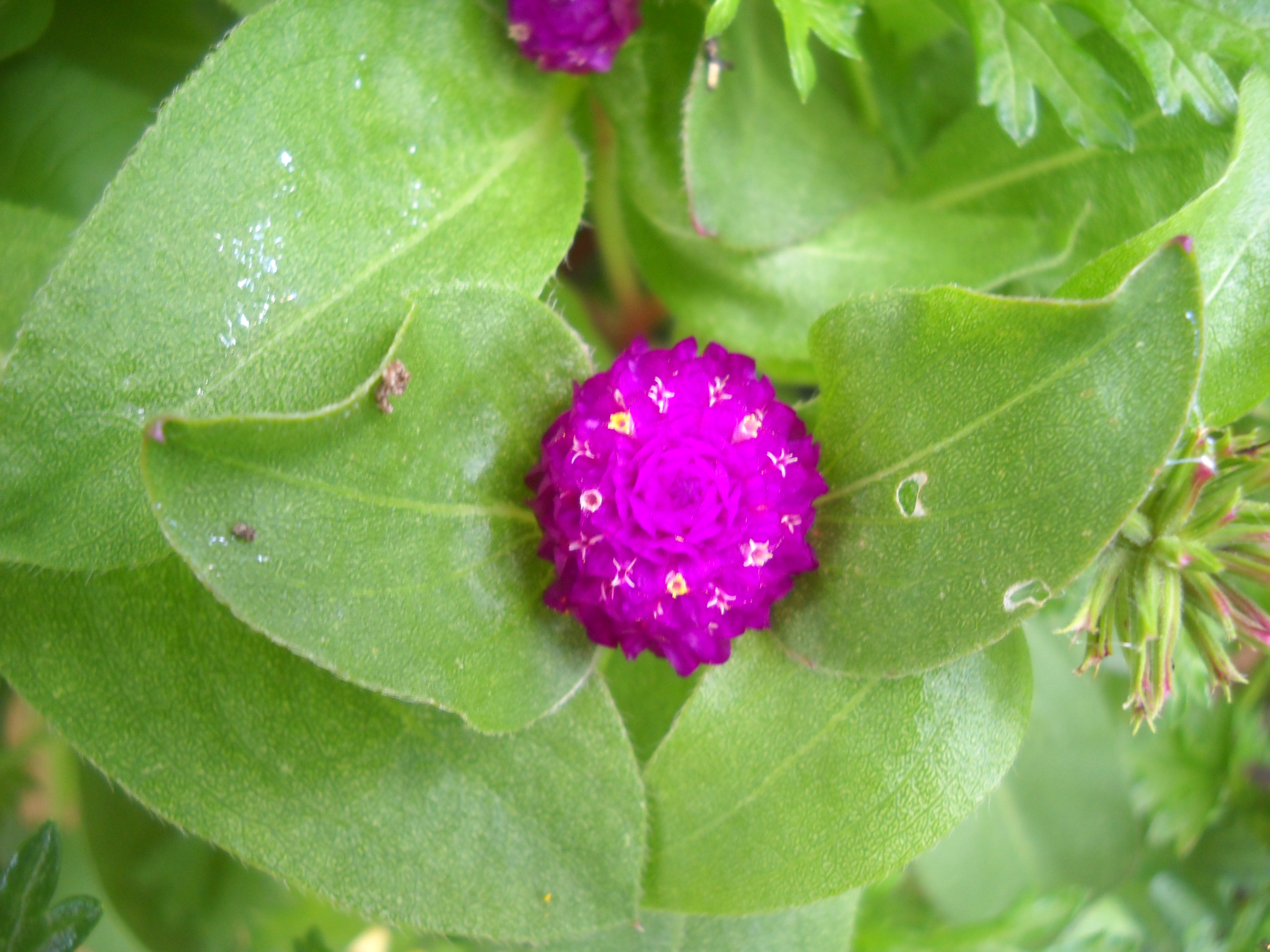
gomphrena

gomphrena

scaevola

scaevola

black-eyed Susan vine

black-eyed Susan vine

The words that have been going through my mind the most, though are from John Prine:

Blow up your TV, throw away your paper
Go to the country, build you a home
Plant a little garden, eat a lot of peaches
Try an find Jesus on your own

From “Spanish Pipedream (Blow Up Your TV), John Prine, 1971;see http://www.youtube.com/watch?v=X9RBgfUvymM or http://www.youtube.com/watch?v=DG0-iWCKjsw, for example.

Do I dare to eat a peach?

peaches #1

peaches #1

peaches #2

peaches #2

peaches #3

peaches #3

Flexibility, Part 2

In my last post, I noted that I thought my physical flexibility was lessening somewhat.  I am not happy about that, but my chief concern is that I remain (or maybe the correct phrase is become more) mentally and emotionally flexible.

I like to think that, at least sometimes, I embody definition #3 for flexible: “characterized by a ready capability to adapt to new, different, or changing requirements….” (http://www.merriam-webster.com/dictionary/flexible) This is not just some random idea I picked up on the Internet.  I did once have an actual mental health professional called me flexible (and, for the record, resilient also).  My family seems to expect me to be flexible and I think they are more or less satisfied with me on that point. I was going to write that my coworkers have generally thought I was flexible, but I don’t think that is completely true.  However, many of my coworkers/friends have found me friendly, cooperative, and non-doctrinaire.  Anyhow, back to considering my flexibility quotient:

How I have become or tried to become more flexible:  

  • I now like to listen to opera.  This is not because I’ve changed my bourgeois Midwestern spots. It’s just that our parrot friend Phoenix enjoys opera and I trust his instincts.
Phoeni

Phoenix

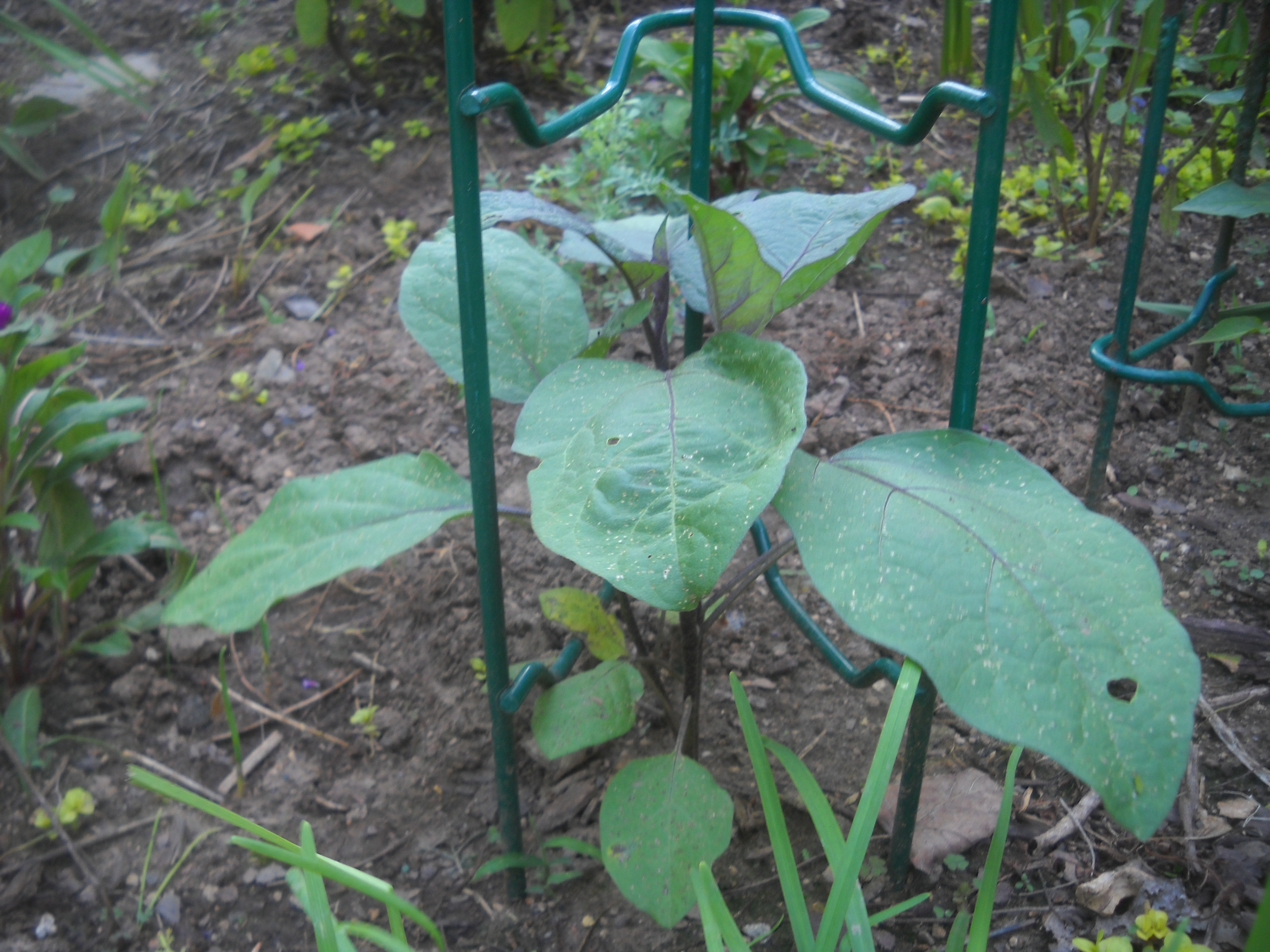
  • I used to despise eggplant.  I don’t blame myself.  I think when I was young, I only had tasted horrible school-lunch style eggplant parmesan. I mentioned this dislike to an Afghan student.  She said that she would change my mind when I tasted her eggplant dish.  She was right and between the baba ganoush and that Chinese dish of fried eggplant with lots of garlic, I am now a dedicated fan.  In fact, I am growing four Japanese eggplants this year (a huge crop when one gardens on 1/20 of an acre as I do).
eggplant

eggplant

  • Time was—back when I was a new gardener—just sighting a slug was cause for loud complaints and gross-out noises. There was the time I ran barefooted to answer the phone and stepped on a giant, spotted, end-of-summer specimen. I washed off my foot in the tub for five minutes.  The thought of slug slime on my foot was just too much for me to bear.  It’s been a rainy spring and early summer here and just last week, I flipped a page of The New York Times Magazine, which had been out on the patio, and found a slug making itself comfortable inside.  I took the slug outside and, with Tom’s help, we liberated it.  I don’t usually even sprinkle my diatomaceous earth around the vegetables to tear the slugs’ little bodies.  Life’s tough enough all around already without it.
diatomaceous earth

diatomaceous earth

  • About five years ago at one of our Deep Creek, Maryland family meetings, one of my sisters-in-law  introduced me to Sudoku. Not only introduced me, but left her puzzle book for me to finish. She told me that, to begin with, it was okay to fill out a few of the squares—using the answers in the back—to help me get the idea.  Well, it took me more time than I want to admit to figure out the logic involved in Sudoku, and I still cheat on every game I play.  At first, I kept playing because the puzzles were fun and because I love my sister-in-law and her book.  Later, I played compulsively to help me through a tough patch or two. Also, at the back of my mind, I remembered that pop culture tells us that doing this stuff (crosswords, playing bridge, etc.) is supposed to help keep our cognitive functioning up to snuff—flexible, that is. I have about a fifth of the puzzles in the book yet to complete, so I guess I will see whether my slow and unsteady pace wins the prize of maintaining well-oiled cognition.
Sudoku

Sudoku

  • I was the youngest of five children and so I never spent too much time alone when I was growing up.  I had roommates in college and at my first jobs away from home.  Then, for two quarters—maybe one—when I started graduate school, I lived alone in a cellar—more or less—in Salt Lake City. Some things happened there. A figure crouched at my window in the night staring down at me in my cellar. A thief robbed me of my Zuni bracelet, my mother’s brooch, and the Swiss Army knife I kept by my bed for safety. Many early mornings a greasy crone greeted me when I stumbled from my little space through the laundry area to my even smaller bathroom. I was not a success first time out alone.  So, later on, married with kids, I used to worry when my husband would go away on business trips.  I don’t know what I expected. We had nothing much to steal and, by this point, we lived in nice neighborhoods.  When the children got a bit older and life became—let’s say—complicated and, maybe, not easy, I learned something new. The scary things were no longer separate from me crouching above my bed the way they had been when I was young.  I realized that the fear, insecurity, and pain were inside of me.  I became flexible (and resilient) because I had to do so. And I keep trying most days.

Note: My husband read these words and mentioned that I haven’t  actually explained why I became flexible. I guess that’s because a) I don’t know why and b) it’s not totally true. Maybe it’s because as the youngest child and the only girl, I fit naturally into the already well-developed family structure: not too much complaining or crying or I couldn’t tag along; once a brother deemed me able to walk home from kindergarten by myself, I just had to find my way home (I did); don’t flinch when the hardball comes at you–hold your glove in the right place.  As an adult, I have sometimes taken sips from the cup of bitterness.  Happily, I never gulped.  Instead, I would remember the Bob Dylan lines, “Ah, but I was so much older then
I’m younger than that now” (from My Back Pages) and it  has seemed true for me, whenever I shook loose of the bitterness.  Also, I am a stick-in-the-mud about many things–from how I put dirty dishes in the dishwasher to my politics. Furthermore, I am becoming less flexible and resilient about driving.

I don’t know whether or not my examples have convinced you or me that I am flexible.However, when I have been writing, I’ve been thinking quite a bit about some words from a W.B. Yeats poem that give me comfort.  Here they are from  “A Dialogue of Self and Soul”:

I am content to follow to its source
Every event in action or in thought;
Measure the lot; forgive myself the lot!
When such as I cast out remorse
So great a sweetness flows into the breast
We must laugh and we must sing,
We are blest by everything,
Everything we look upon is blest.

From The Winding Stair and Other Poems, 1933

Looking for the Thunderbird

snow 12.19.12We’re having the first snowstorm of the season today in Denver and that’s a good thing.  We’ve had so much drought and so many fires that we need all the precipitation we can get. Right now, though, I’m mostly worrying about getting in the car and driving out to pick up my husband at the airport.  They put the new airport a million miles (24 from our place) out on the eastern plains and, after living in the Washington, DC area for 25 years, I am snow driving averse. So I am sitting here obsessively checking flight updates, waiting for the sheets to dry, listening to Judy Collins radio on Pandora, writing, and indulging in a bit of nostalgia.  Right now, I have been listening to “Flowers Never Bend with the Rainfall.” Before that I heard John Denver’s “Leaving on a Jet Plane,” Fleetwood Mac’s “Landslide,” and K.D. Lang’s version of “Hallelujah.”  I’m waiting for a sign to see whether I should drive or tell Tom to get a taxi. I’m not a good snow driver now, but it wasn’t always that way.

In 1972-1973 I taught eighth grade literature in the (then) little boom town of Page, Arizona. Each week I struggled to make it through to Friday afternoon.  I was prepared, though.  Thursday night I would gas up my Volkswagen Squareback at the Circle K, put my bag in the car and be ready to head out of town right after school the next day.  About every other weekend, I would drive up 386 miles to Salt Lake City to visit Tom.  Other weekends, I would just head out anywhere away from town.  Lucky for me, anywhere and everywhere outside of Page was beautiful beyond any words I might try to use here.

West Temple, Zion National Park

West Temple, Zion National Park

Decision: Okay, I will finish this story later.  I am going to try to drive out to the airport. If I find the roads too bad, I will turn back, but, at least then I won’t feel like a superannuated chicken. If I used to be able to drive 386 miles in the snow to see Tom, I should hope I could still manage 24.

Result: The roads weren’t that bad, the wait for Tom to clear customs wasn’t too long, and the view of the Front Range on the drive back to Denver was worth the earlier ice and slush.

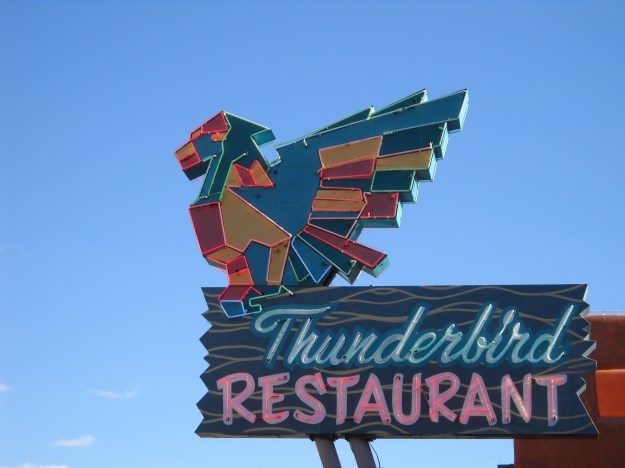
Back to the story: One snowy Friday afternoon in December (I’m back in 1972 now), I headed north on U.S. Route 89 going somewhere.  It was snowing so hard, it was so dark, and I was so lonely that I pulled into to the Thunderbird Lodge in Mt. Carmel Junction, Utah.  Even though the motel was only 91 miles from Page, I had dinner, booked a room, and settled in for the night. As the snow came down, snuggled in my bed, I watched a special repeat on T.V. of The Walton’s The Homecoming: A Christmas Story. I think I might hear people gagging or laughing out there in the cyber world, but I did love watching the show about snow coming down, Christmas coming, and people wanting to be with those they loved. I’ve never been a very successful cynic and maybe the times were different back then.  A year or two before I had seen The Homecoming with some of my friends back home in Milford. I wasn’t home, I was not anywhere near a stable with oxen, and yet I felt happy and content.

Even though it is somewhat gussied up (for Mt. Carmel Junction) now, I still love the Thunderbird.  Just this past summer, I had left my friends Sally and Laura after our rendezvous in Zion National Park, I couldn’t get to my campsite in the Dixie National Forest because of landslides, I got freaked out again on high desert roads, and I needed a place to feel safe and to not be alone. I drove to the Thunderbird, which was in the opposite direction I should be heading, had dinner, booked a room, and snuggled into bed reading Mysteries and Legends of Utah.

Back to the present: It’s been a difficult week for all of us who struggle to believe in a civilized world where we take care of little children and everyone else. I wish us all to feel safe and to not be alone.

Mt. Carmel Junction 6.26.12