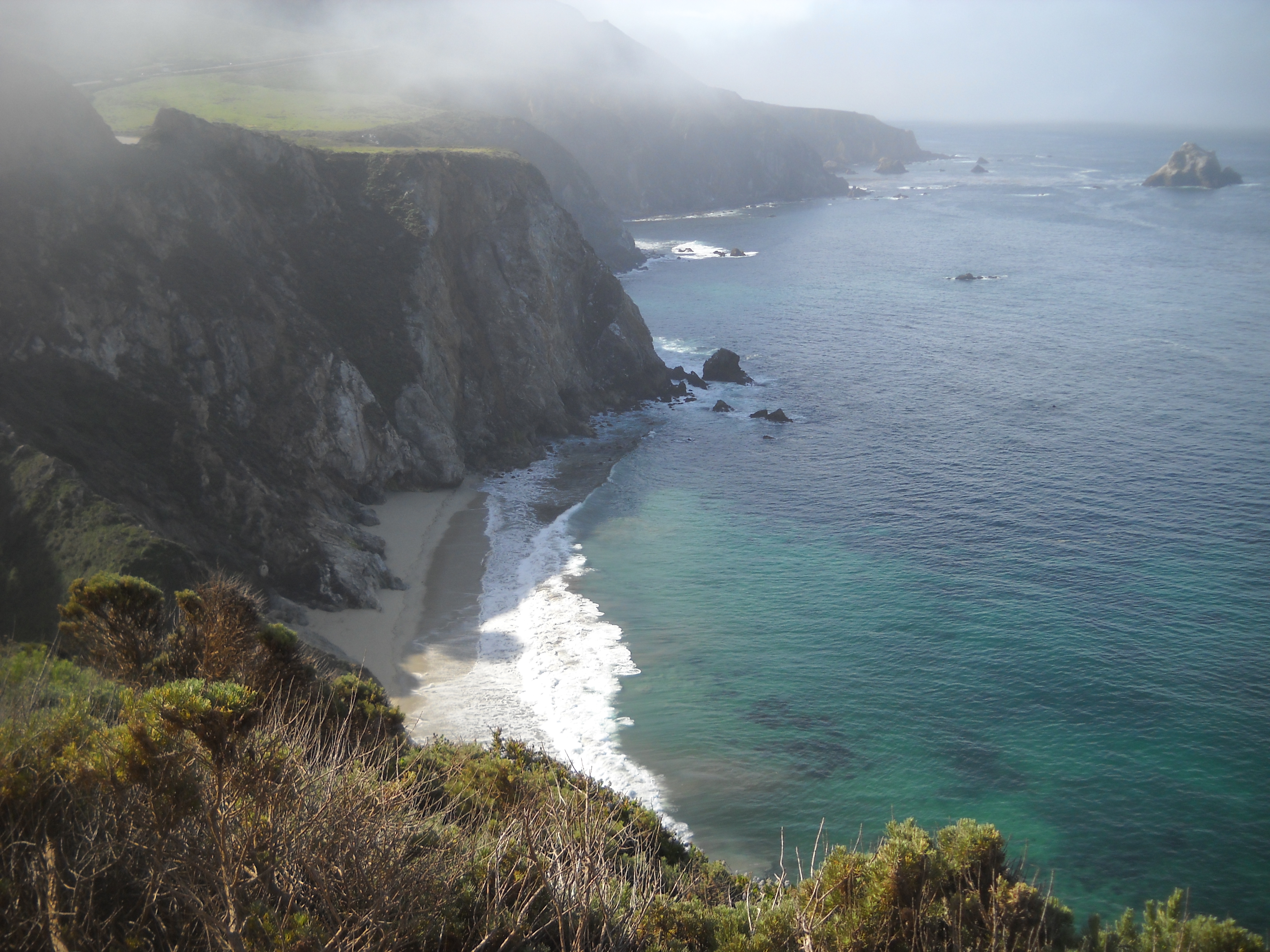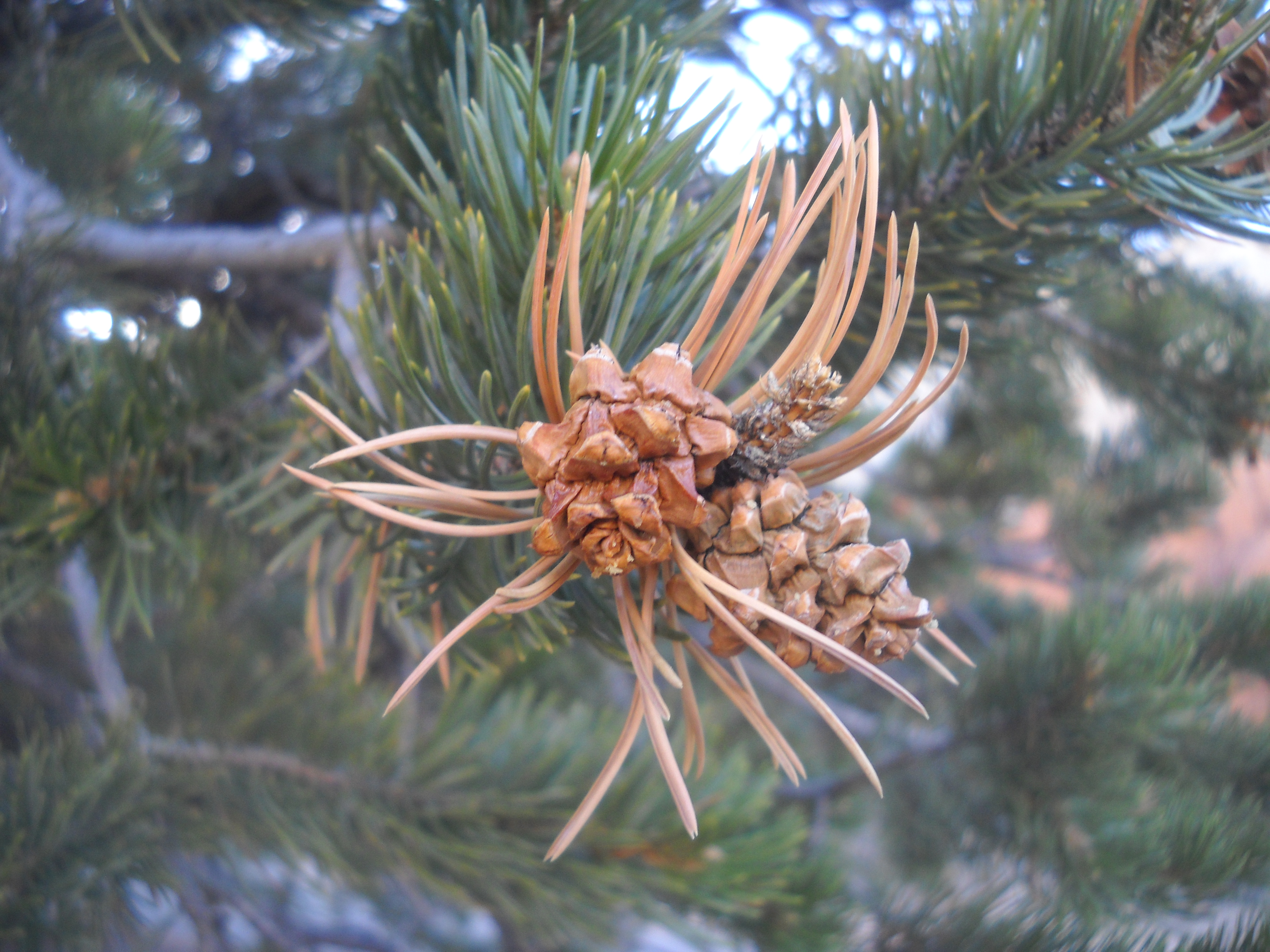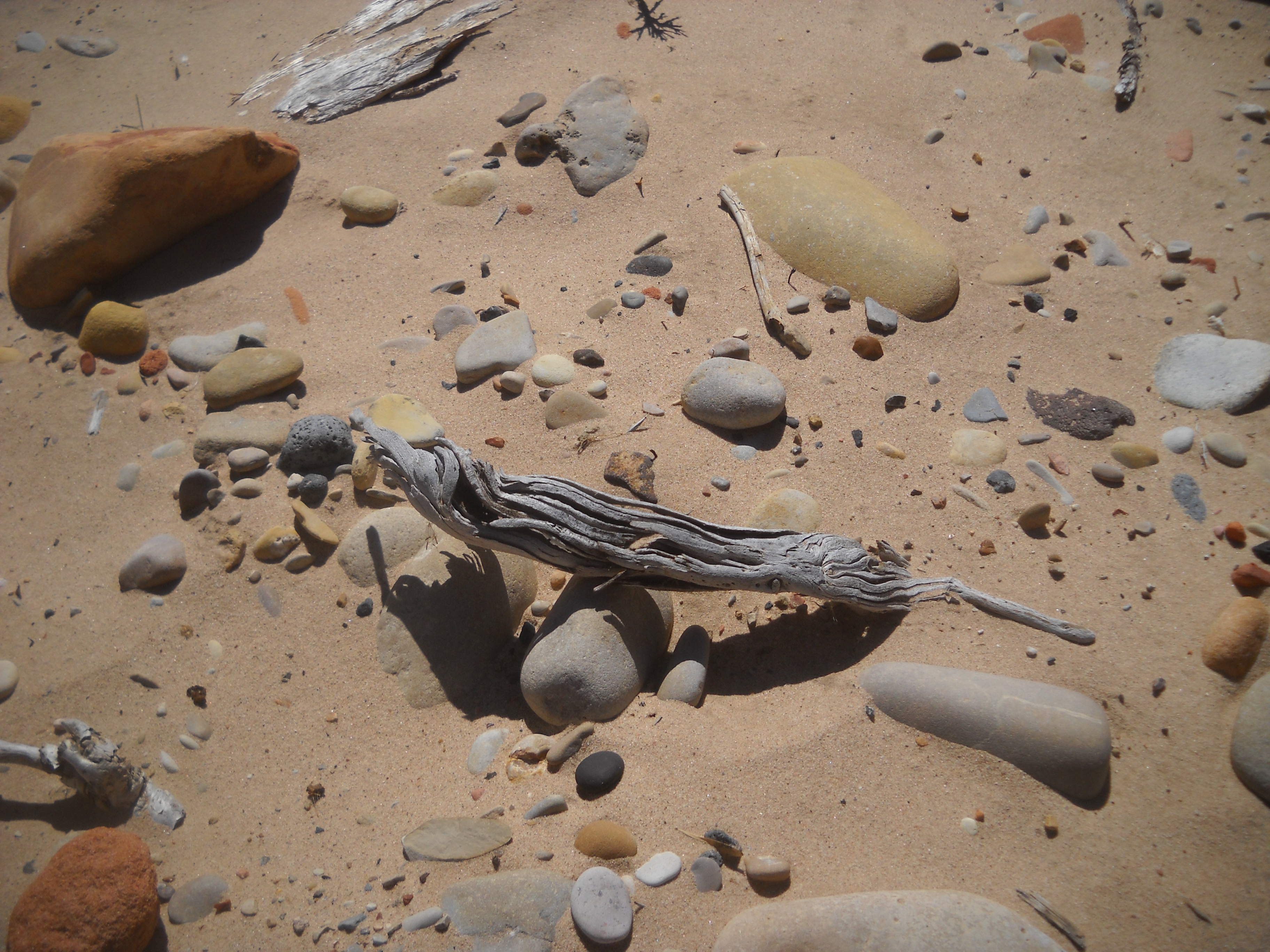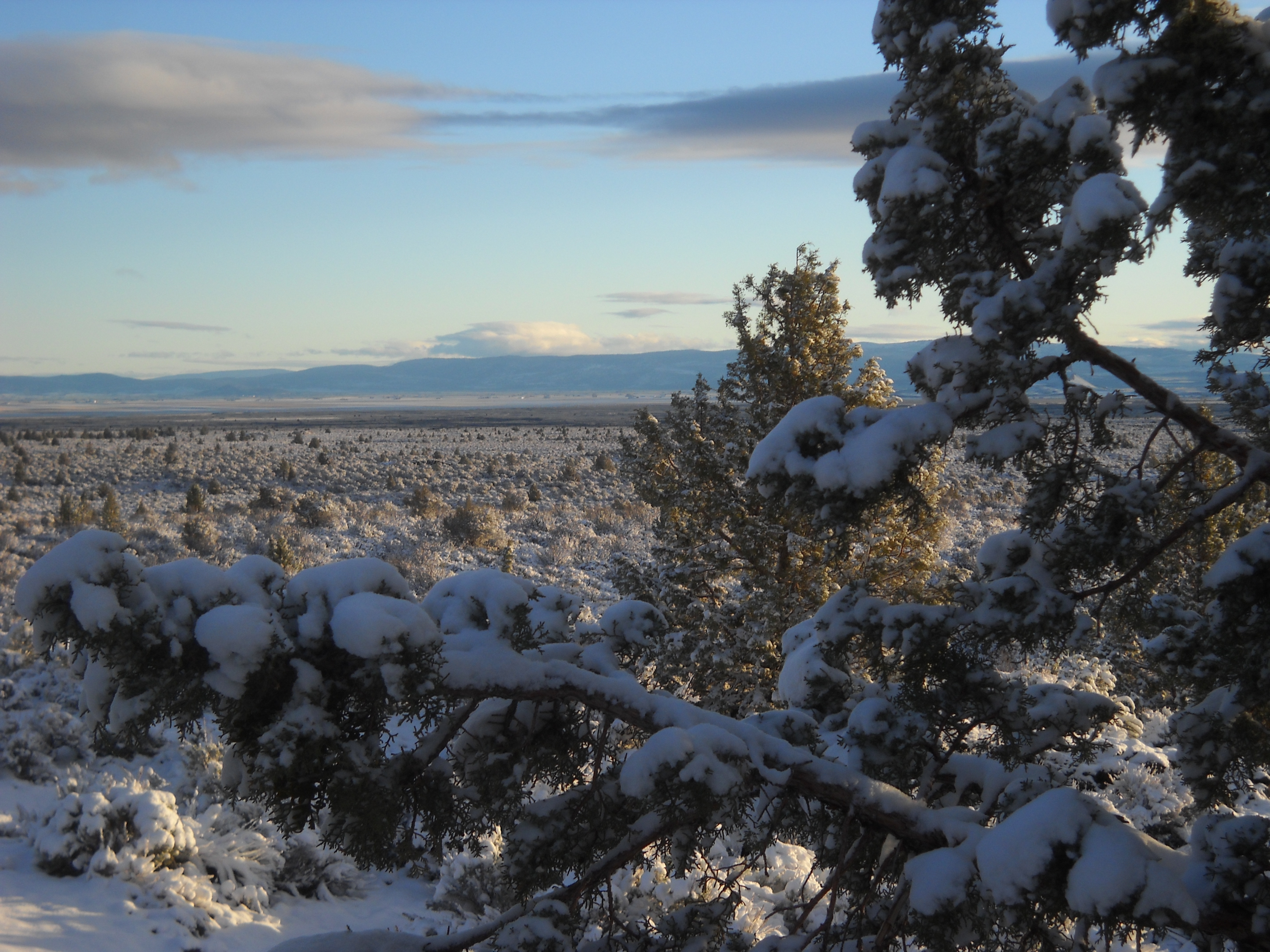
The crickets sang in the grasses. They sang the song of summer’s ending, a sad, monotonous song. “Summer is over and gone,” they sang. “Over and gone, over and gone. Summer is dying, dying.”
The crickets felt it was their duty to warn everybody that summertime cannot last forever. Even on the most beautiful days in the whole year — the days when summer is changing into fall the crickets spread the rumor of sadness and change.
Charlotte’s Web by E.B. White
Author Archives: lyndaterrill
Summer: Poetry, Flowers, Fruit
I thought I would write about poetry. This idea didn’t just come out of the ether. My friend Pat recently sent me Billy Collins’ poem “Forgetfulness” (published in Questions About Angels, 1991). I think the poem perfectly delineates the waning of my once (if I do say so myself) prodigious memory.
Forgetfulness
The name of the author is the first to go
followed obediently by the title, the plot,
the heartbreaking conclusion, the entire novel
which suddenly becomes one you have never read,
never even heard of,as if, one by one, the memories you used to harbor
decided to retire to the southern hemisphere of the brain,
to a little fishing village where there are no phones.Long ago you kissed the names of the nine Muses goodbye
and watched the quadratic equation pack its bag,
and even now as you memorize the order of the planets,something else is slipping away, a state flower perhaps,
the address of an uncle, the capital of Paraguay.Whatever it is you are struggling to remember,
it is not poised on the tip of your tongue,
not even lurking in some obscure corner of your spleen.It has floated away down a dark mythological river
whose name begins with an L as far as you can recall,
well on your own way to oblivion where you will join those
who have even forgotten how to swim and how to ride a bicycle.No wonder you rise in the middle of the night
to look up the date of a famous battle in a book on war.
No wonder the moon in the window seems to have drifted
out of a love poem that you used to know by heart.
Here’s the link to Billy Collins’ website: http://www.billy-collins.com/.
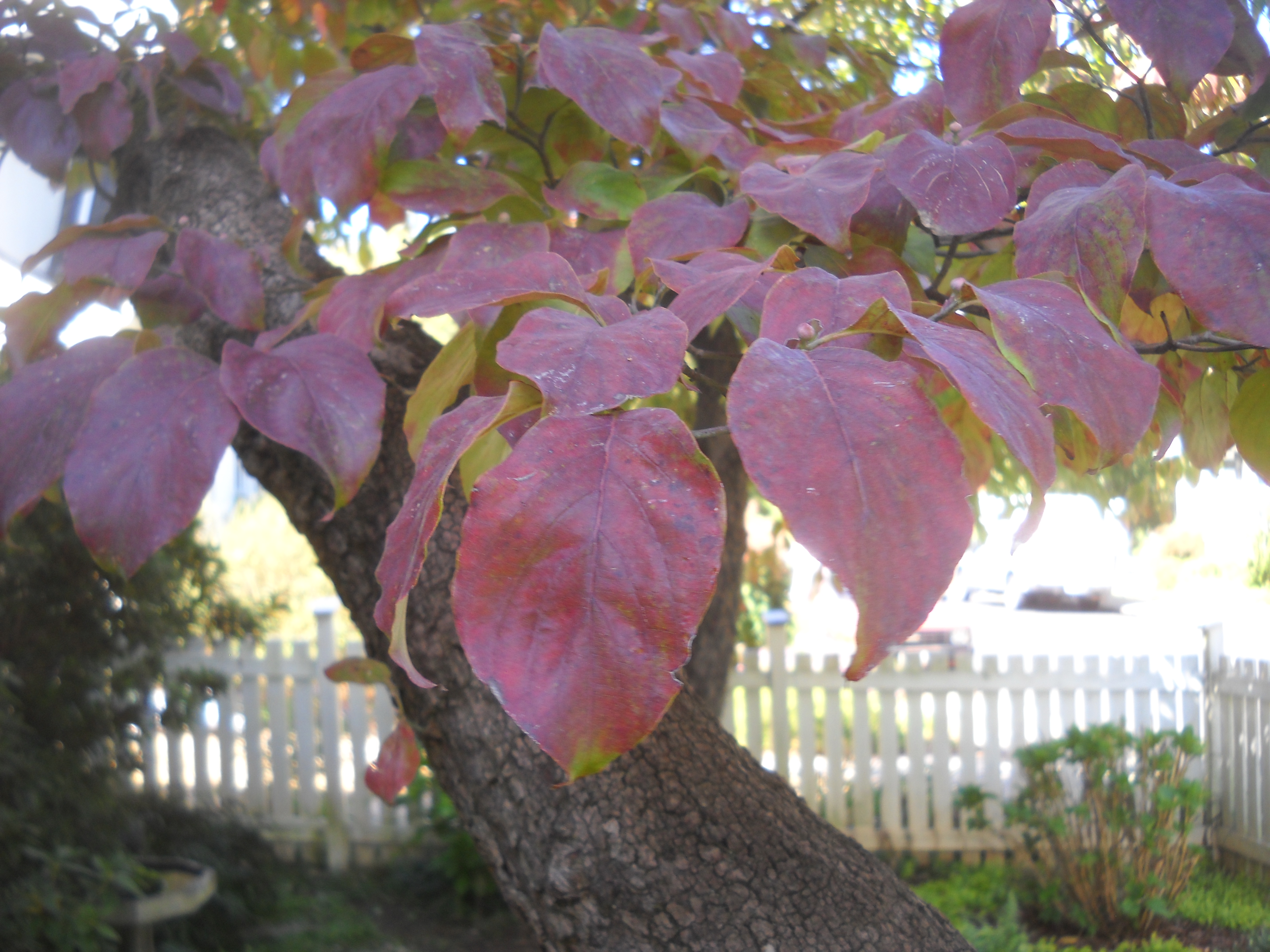
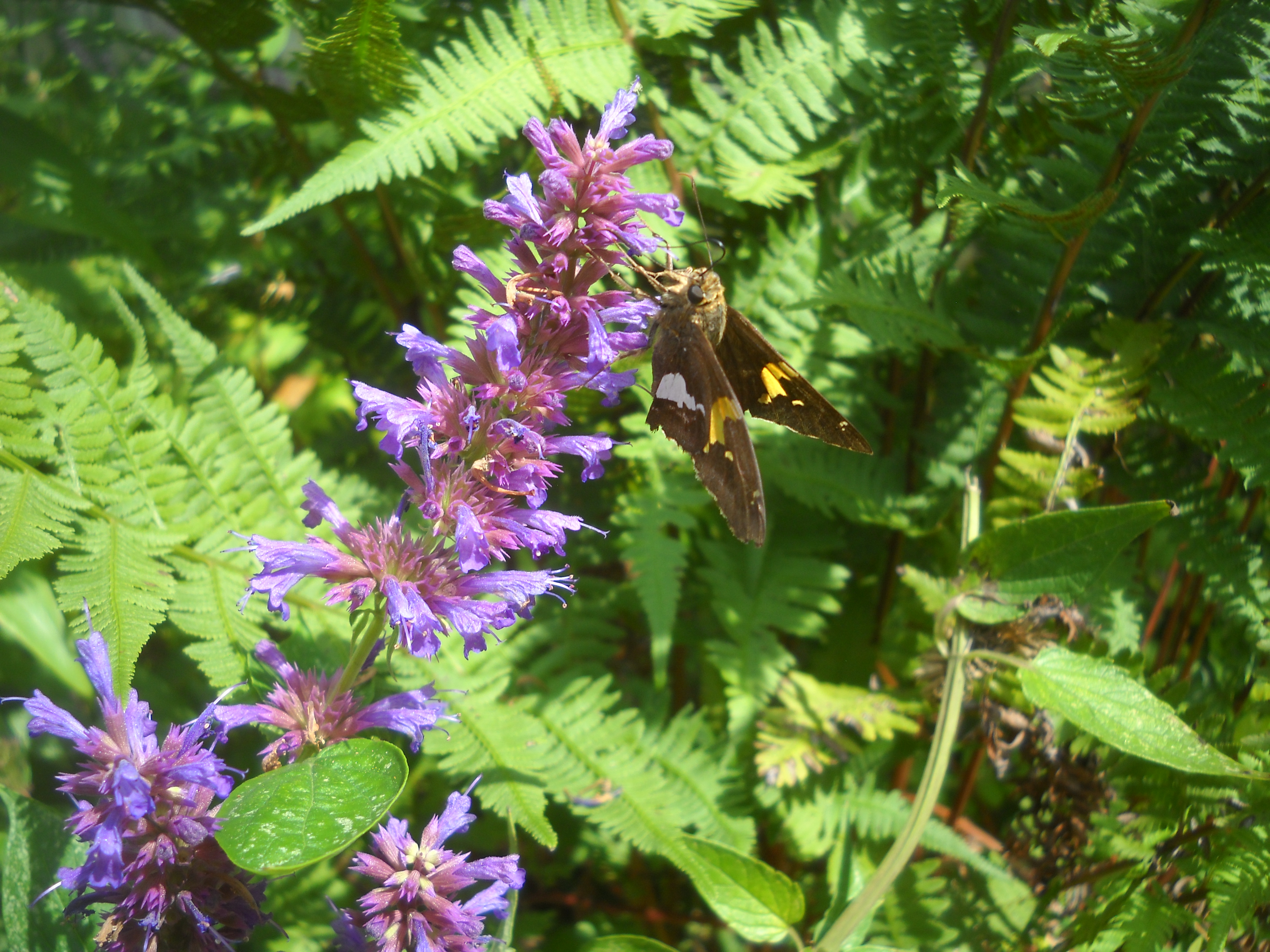
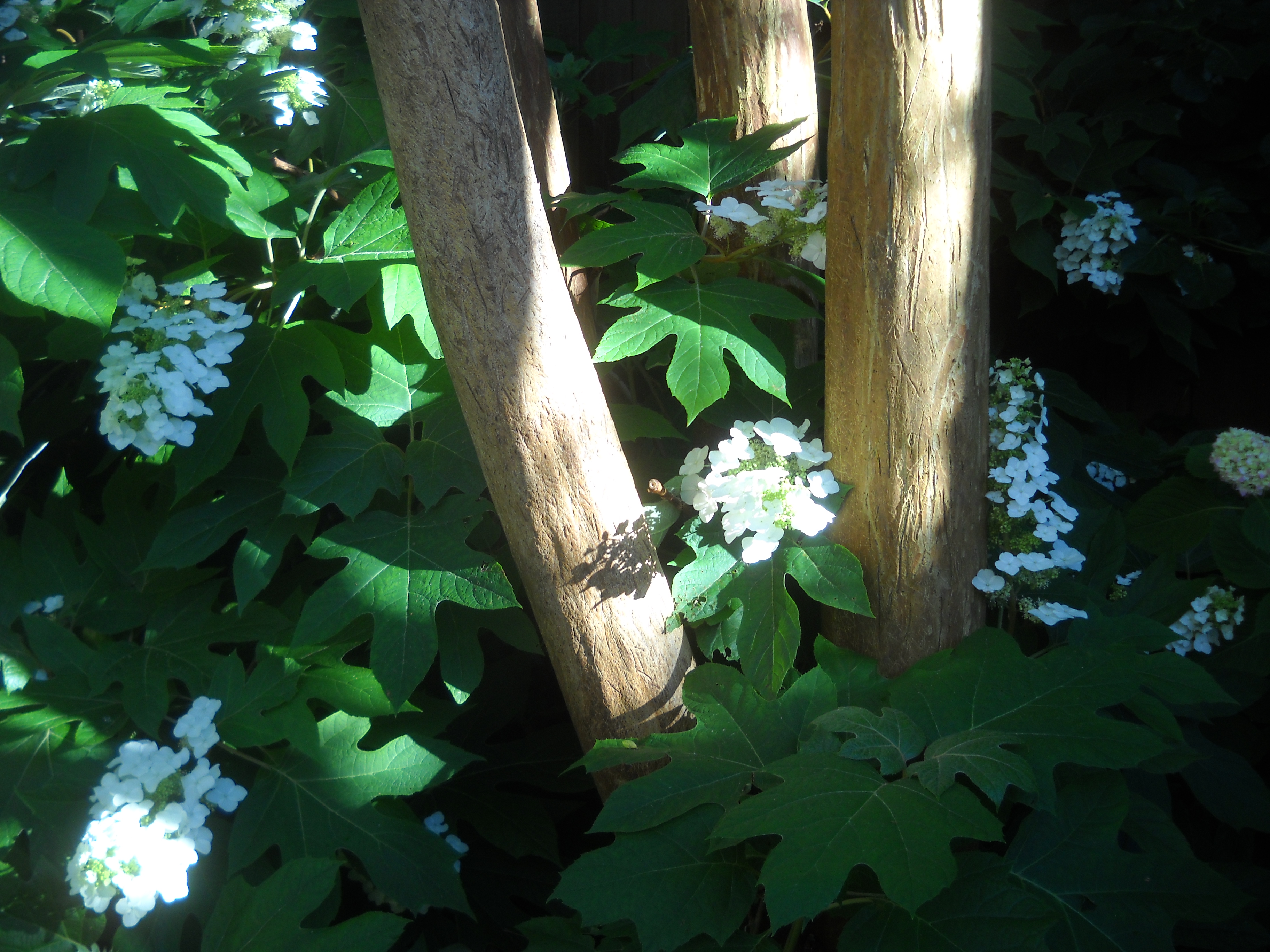
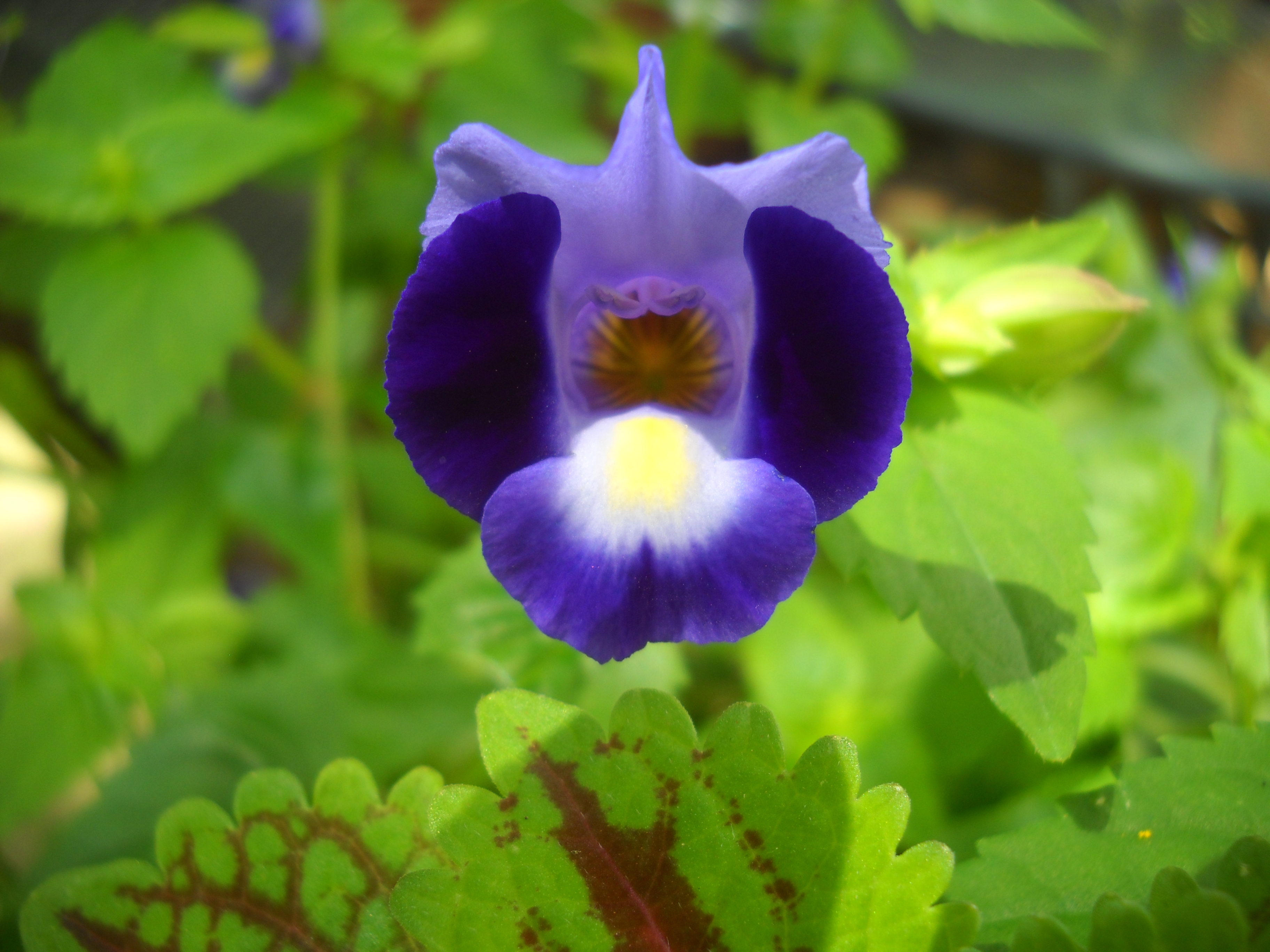
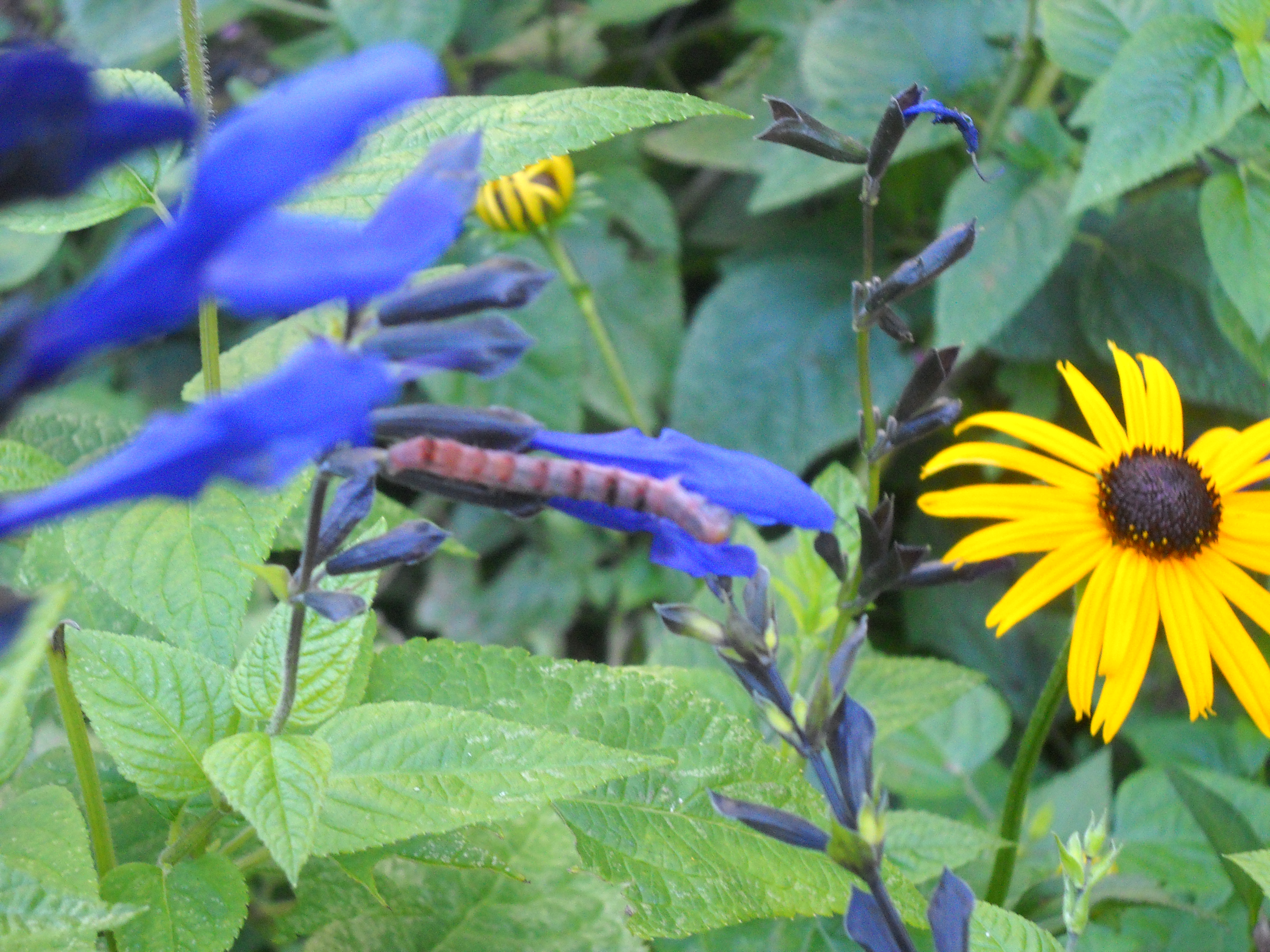
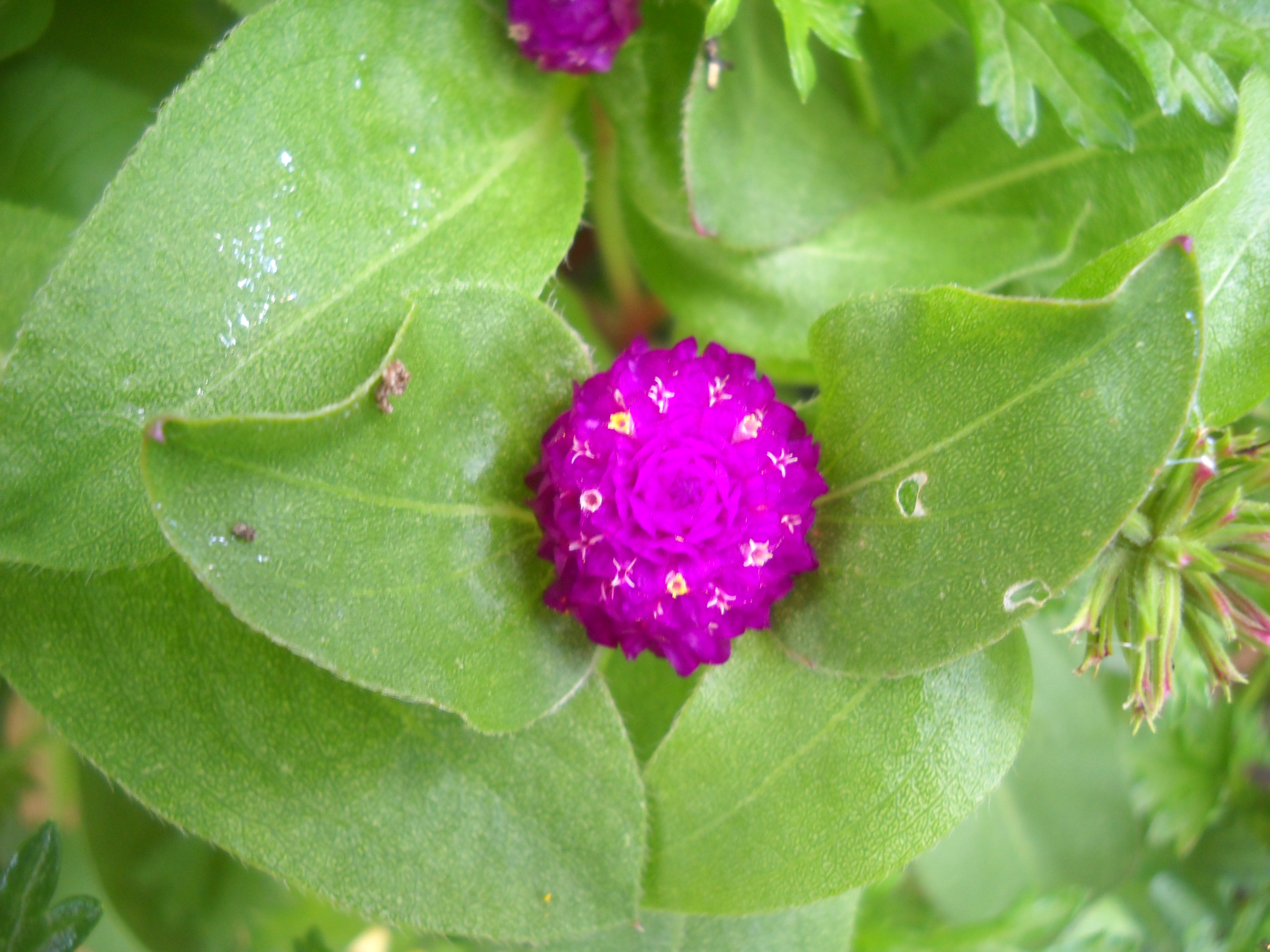
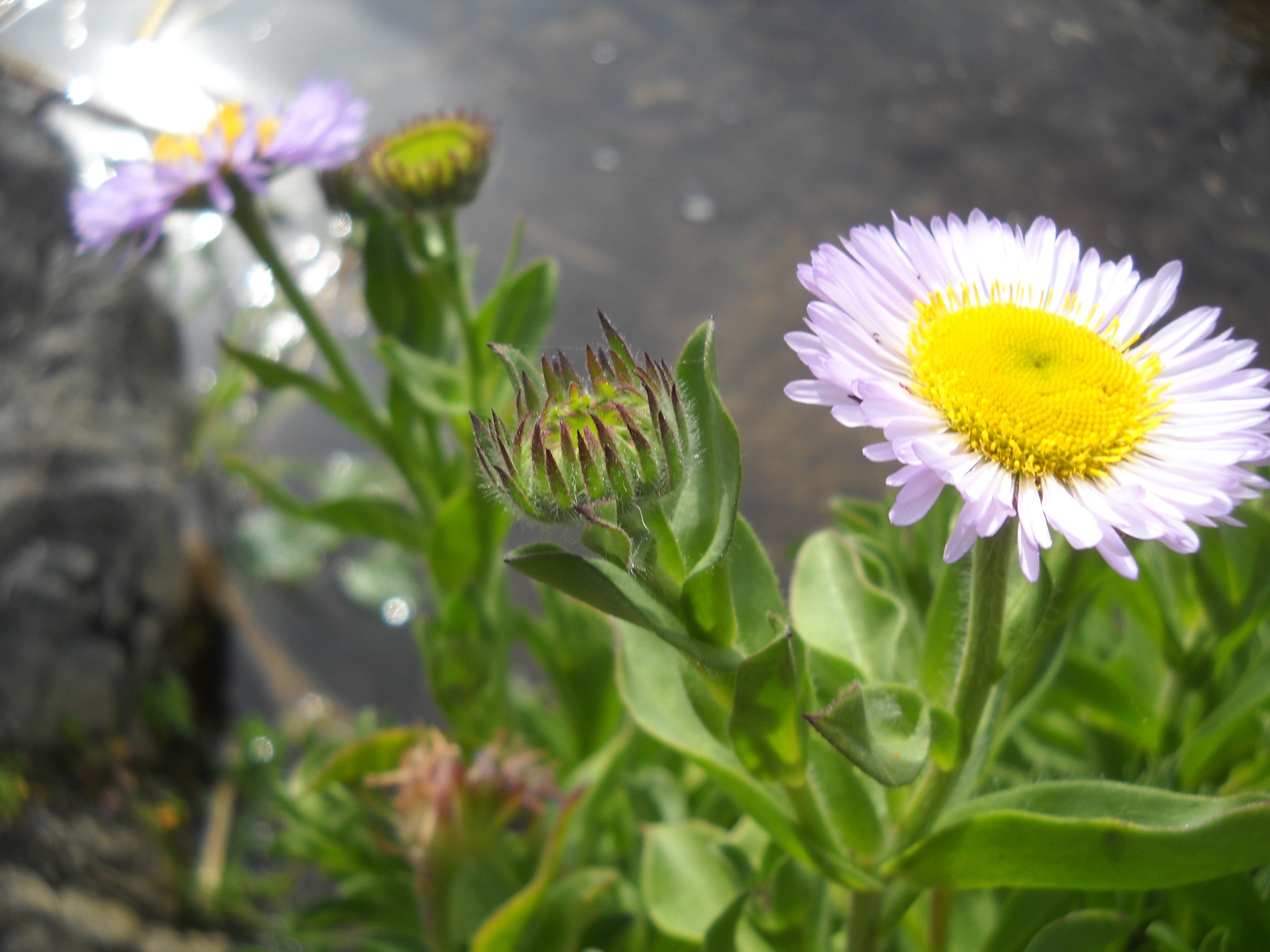
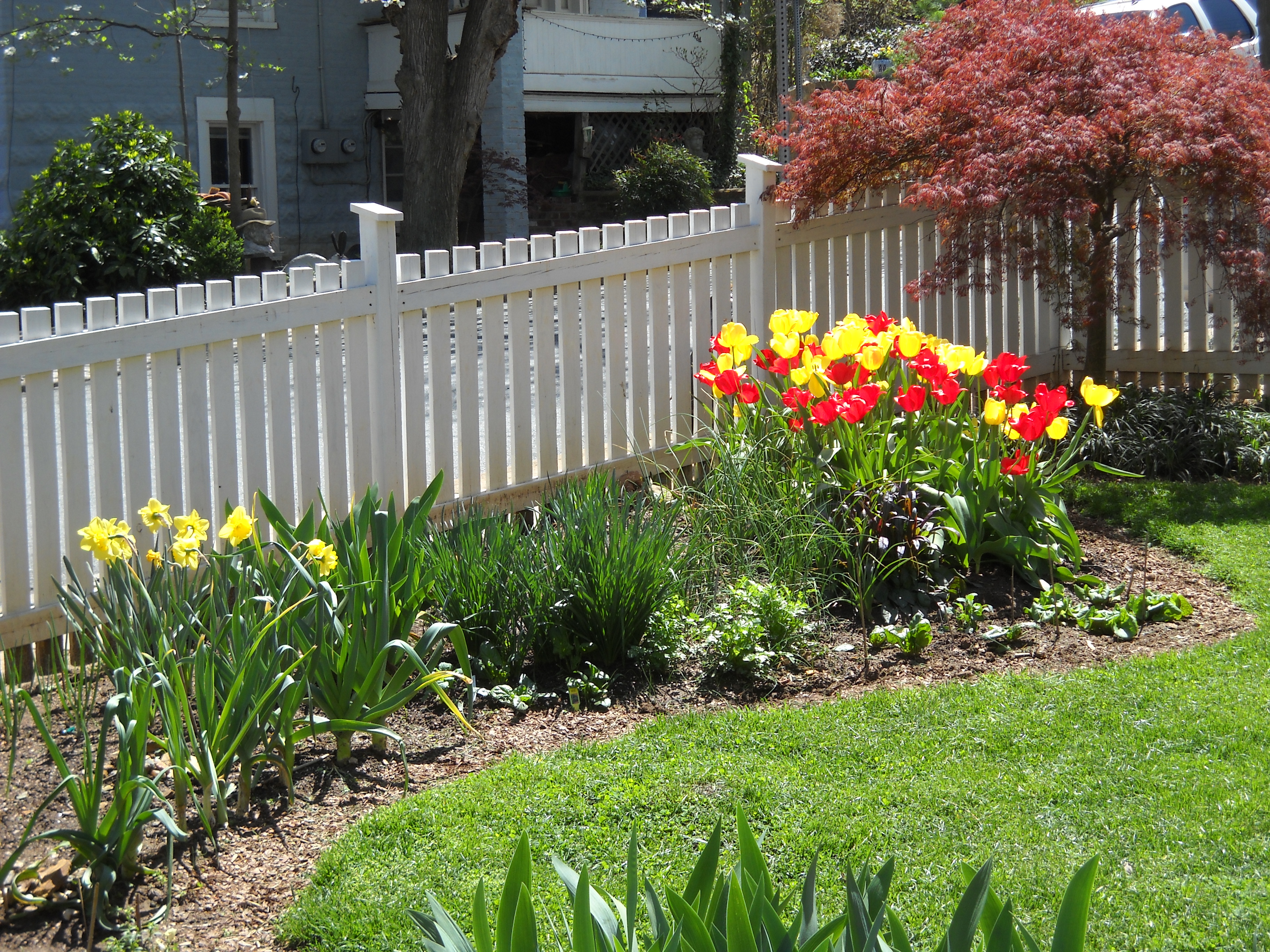
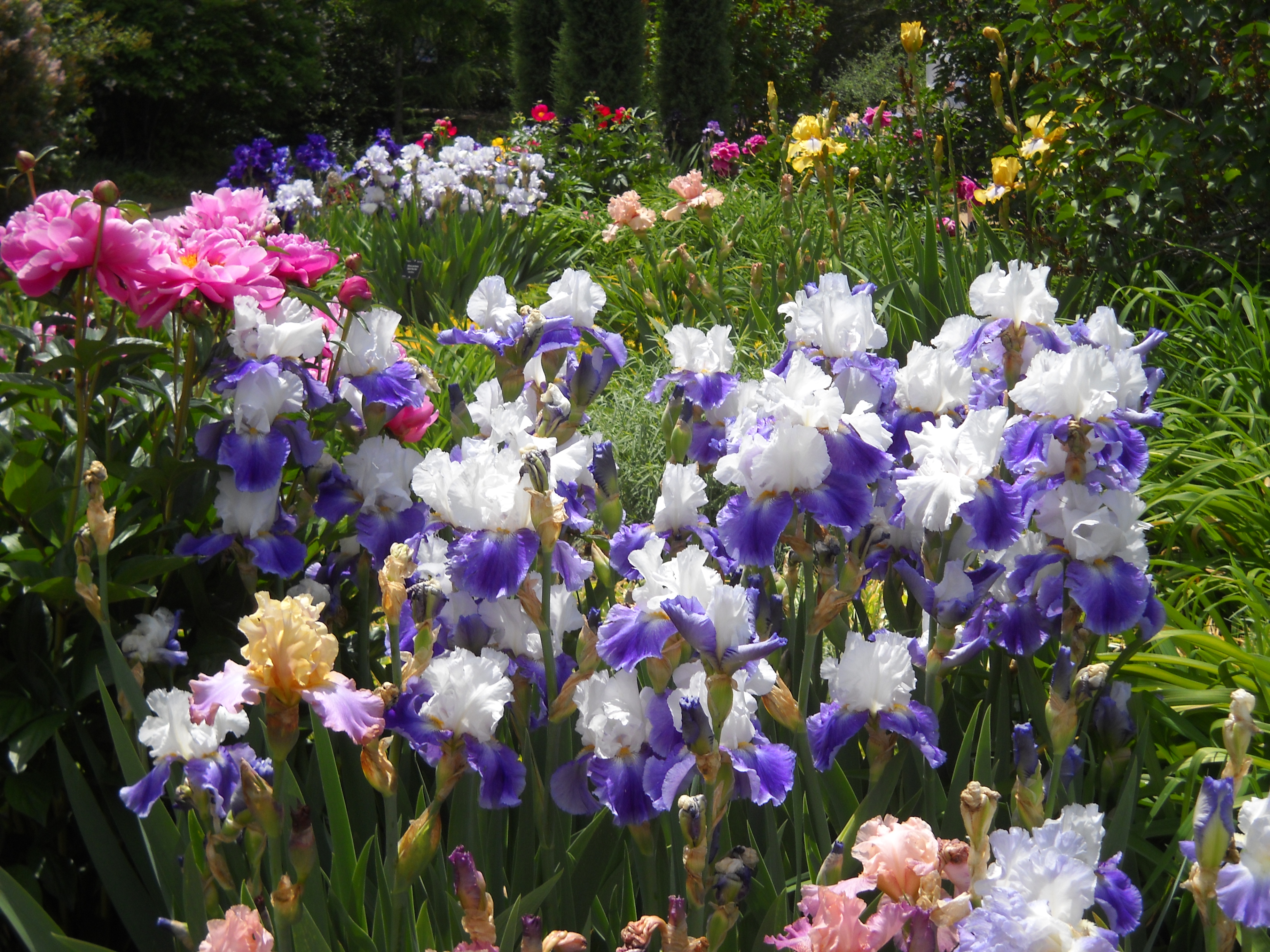
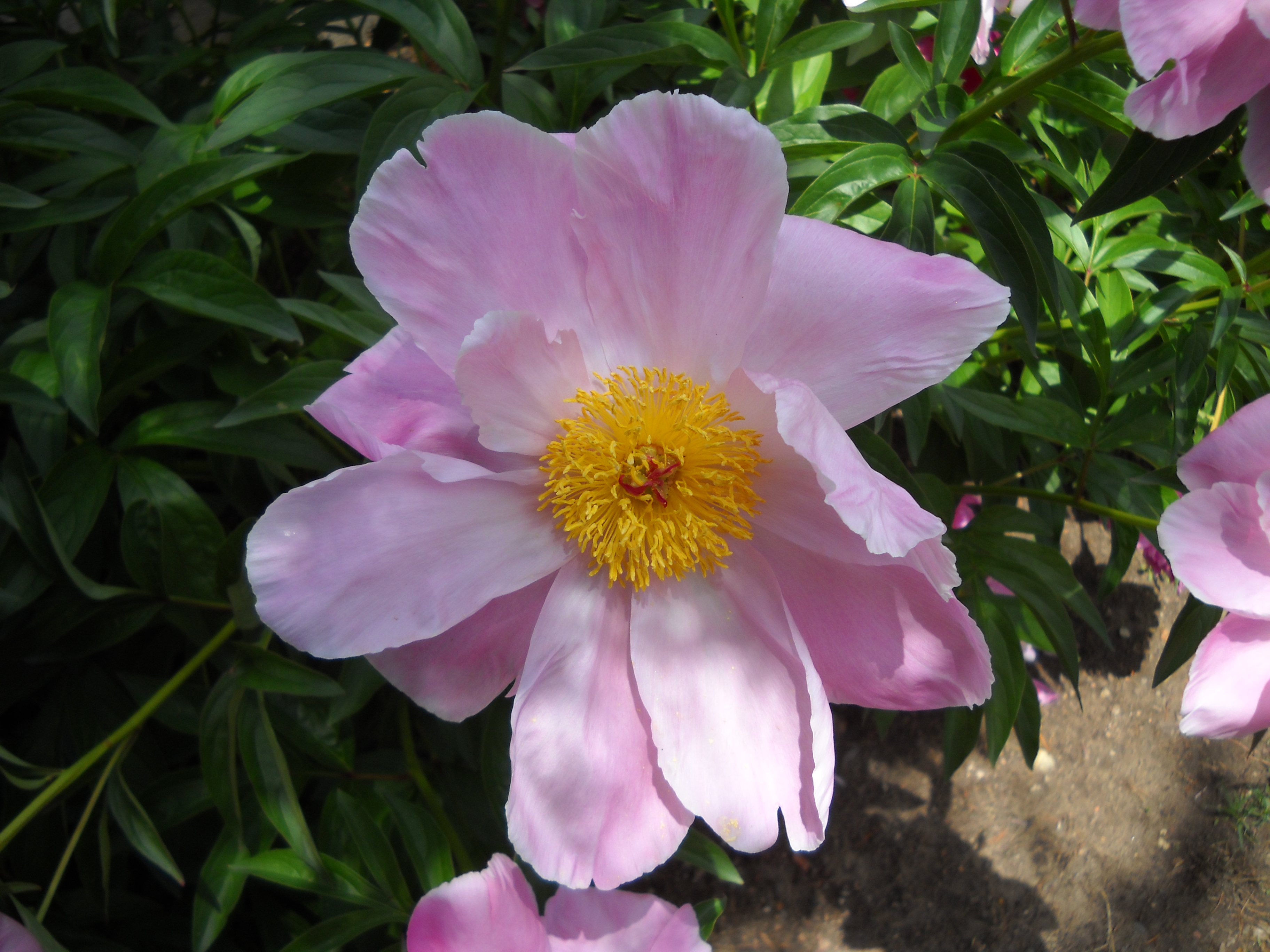
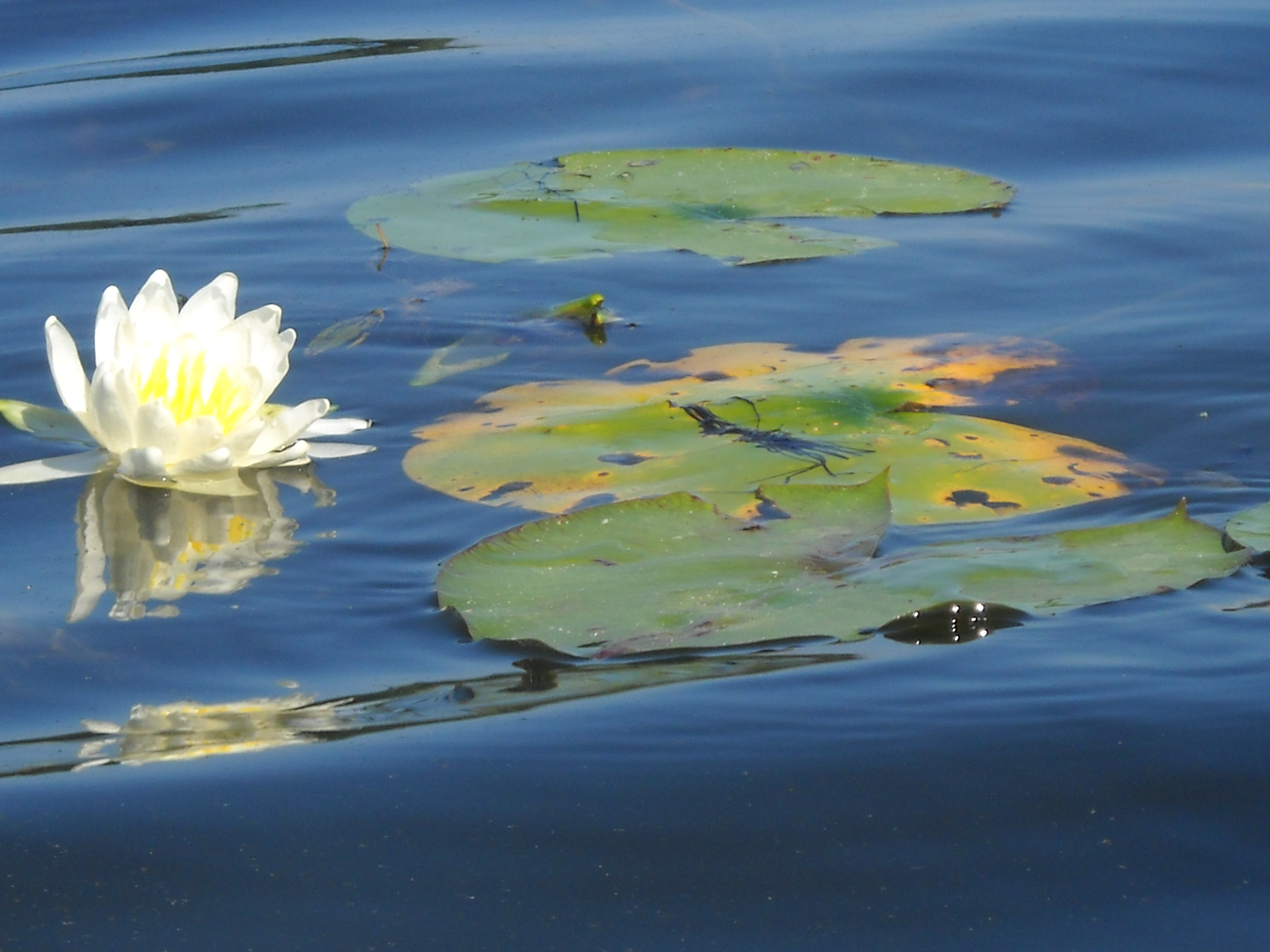
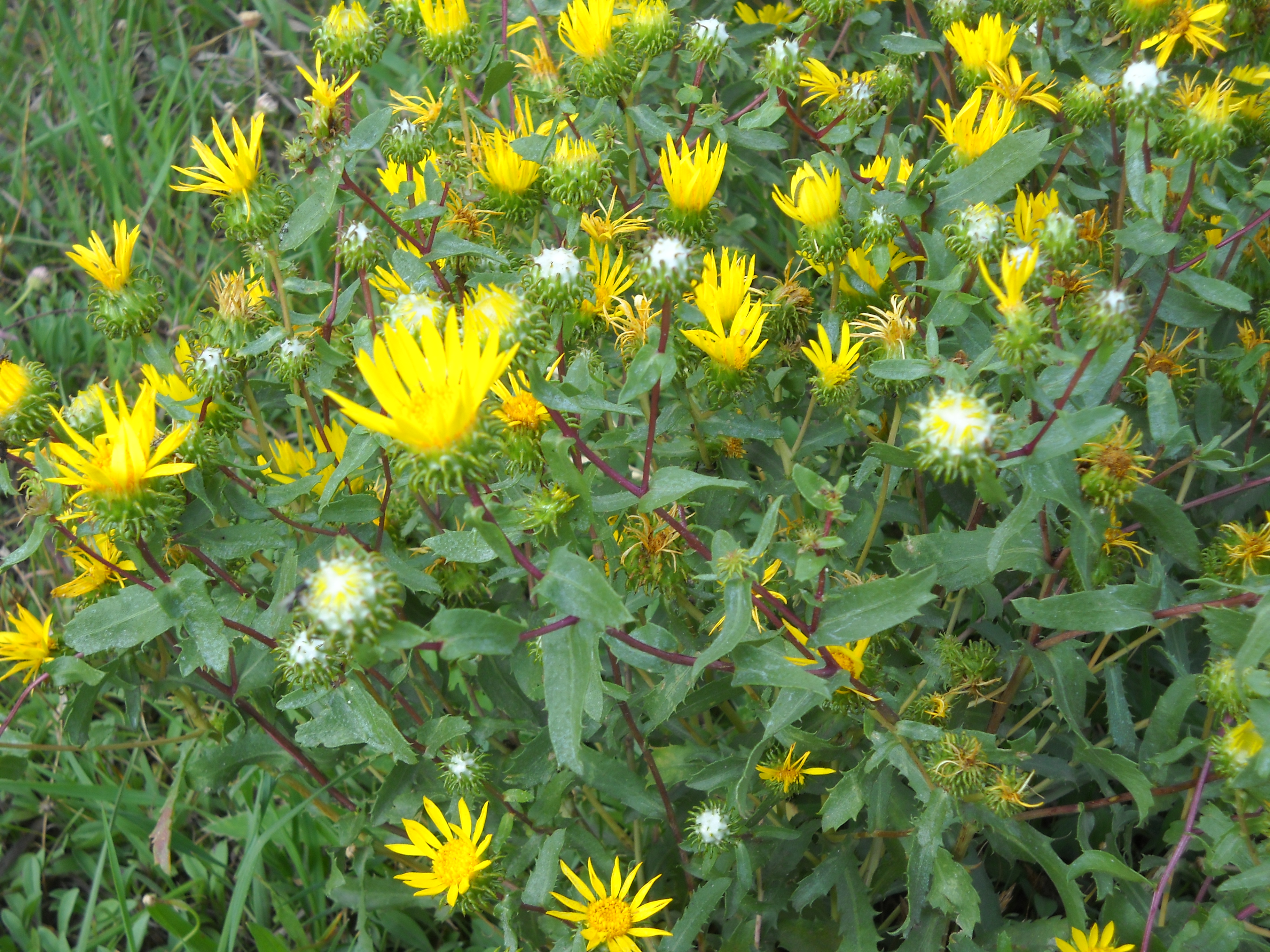
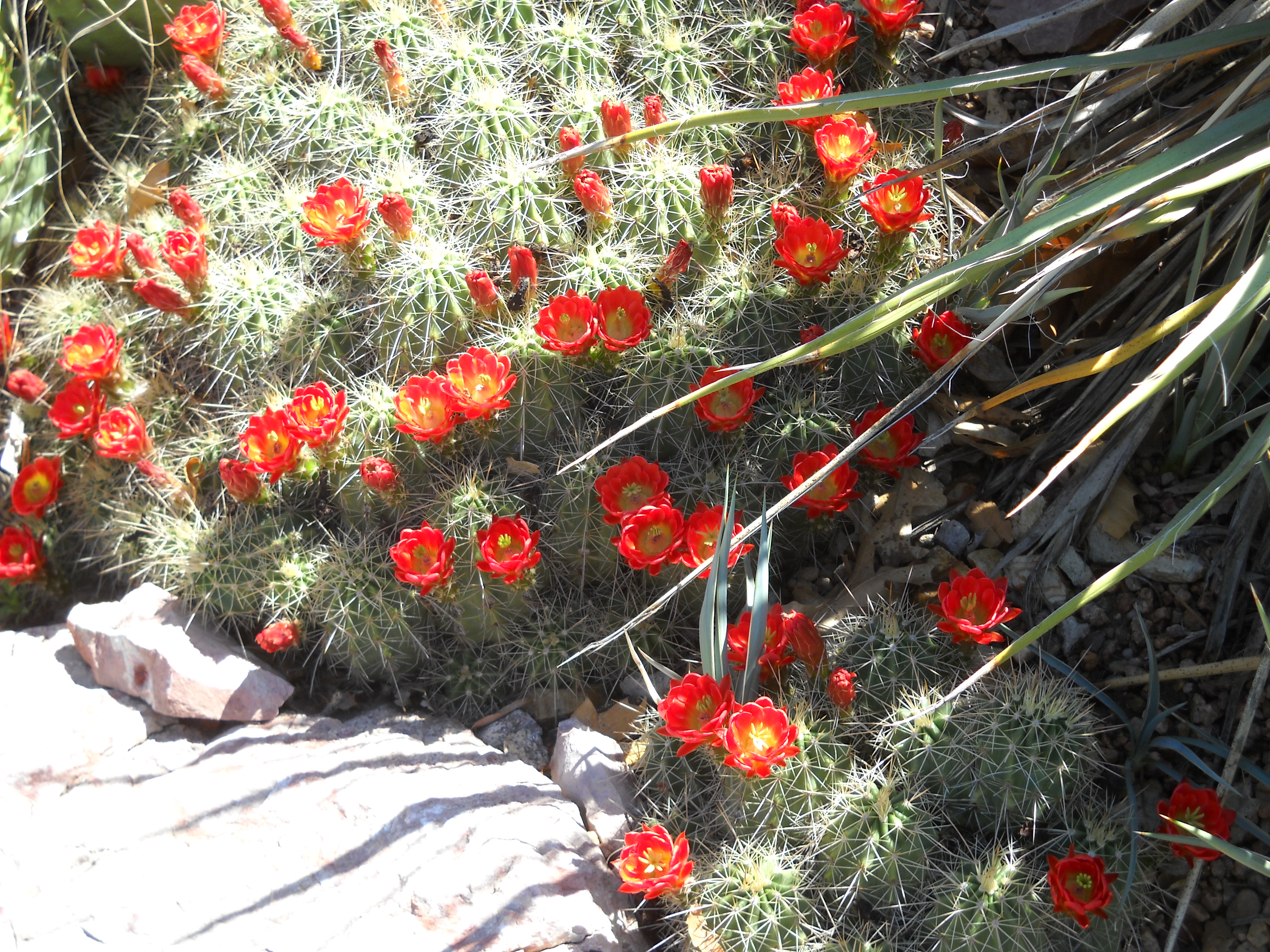
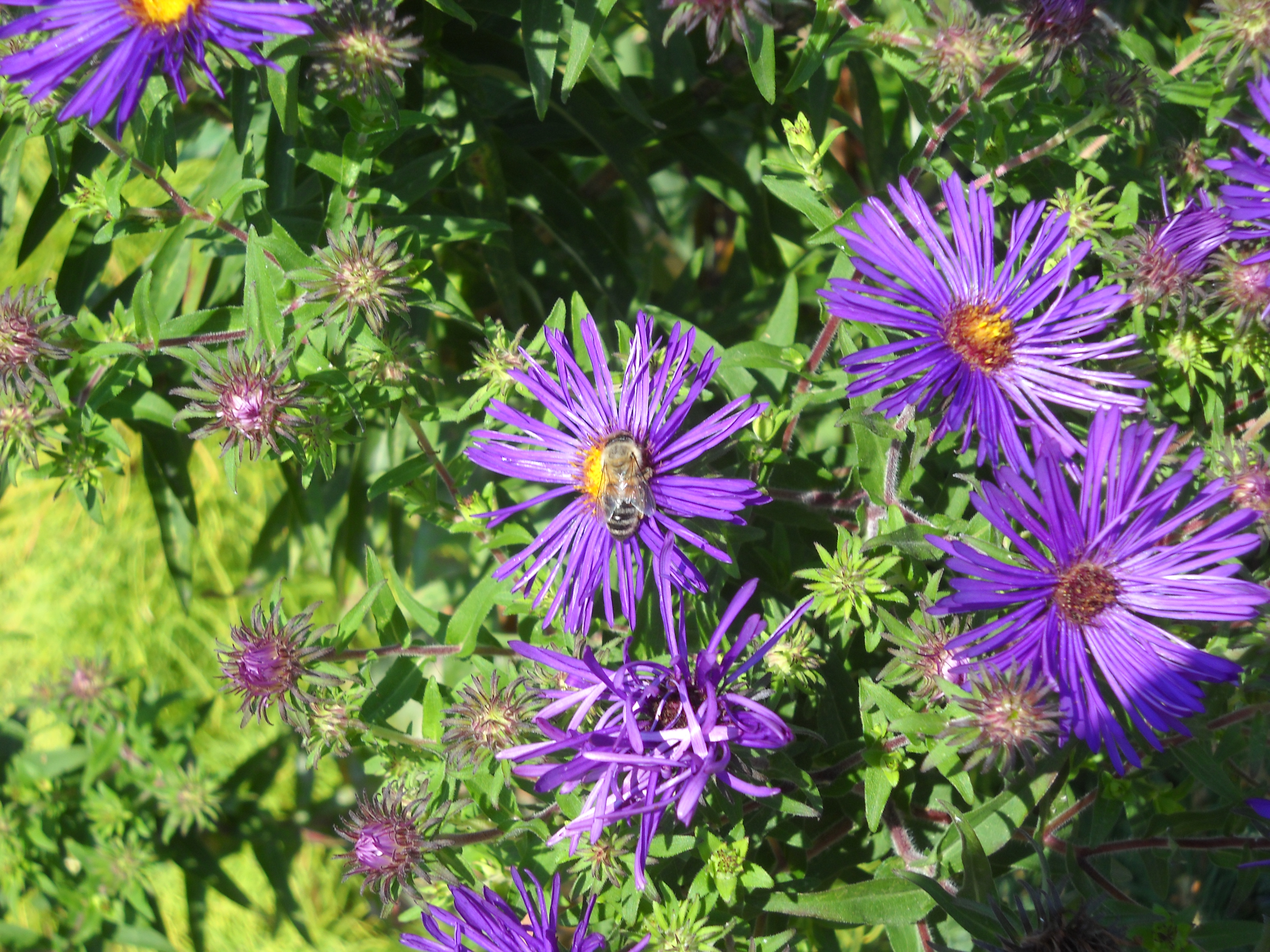
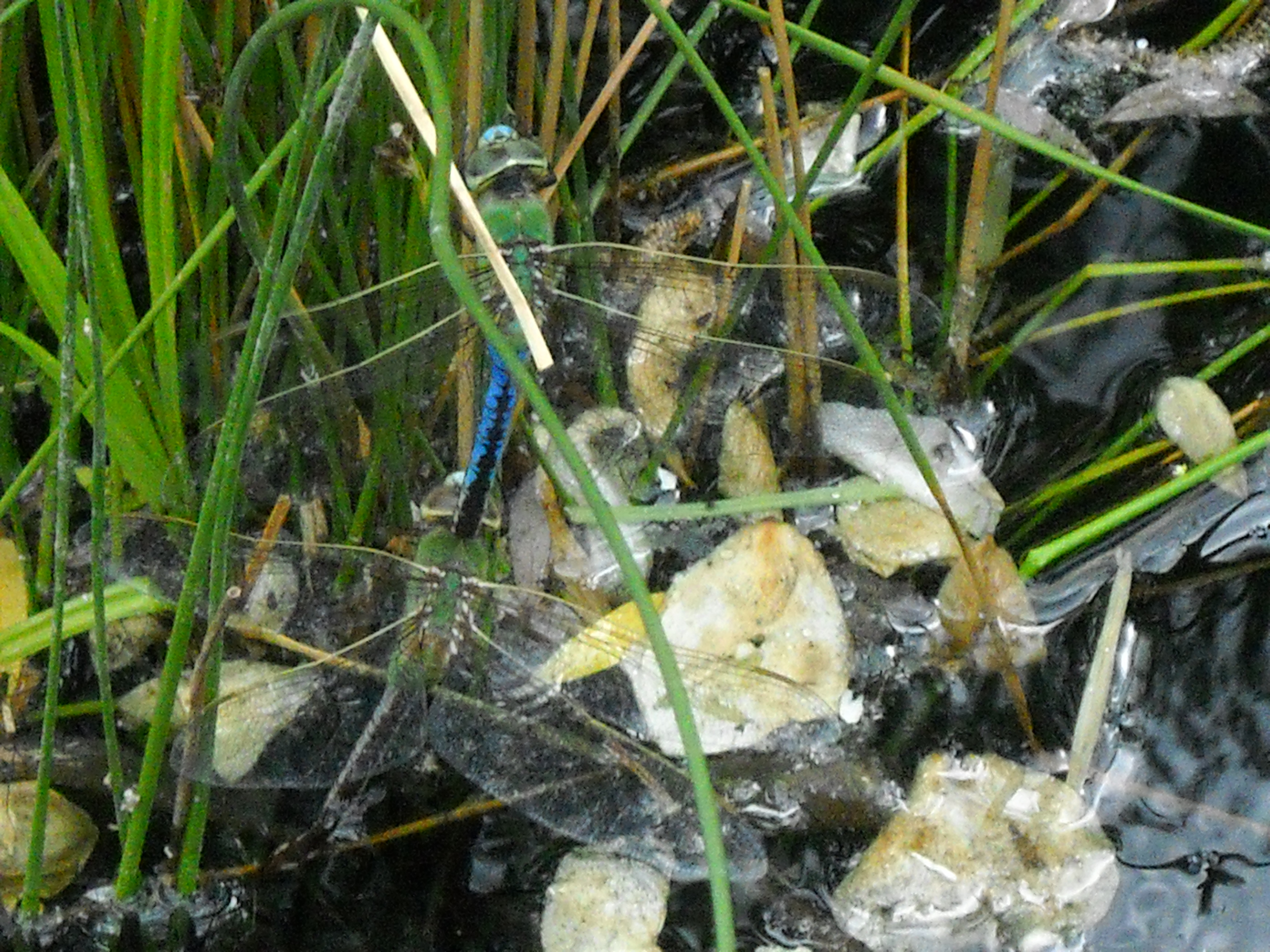
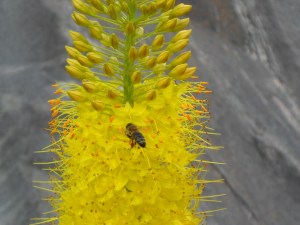
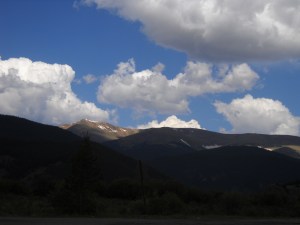
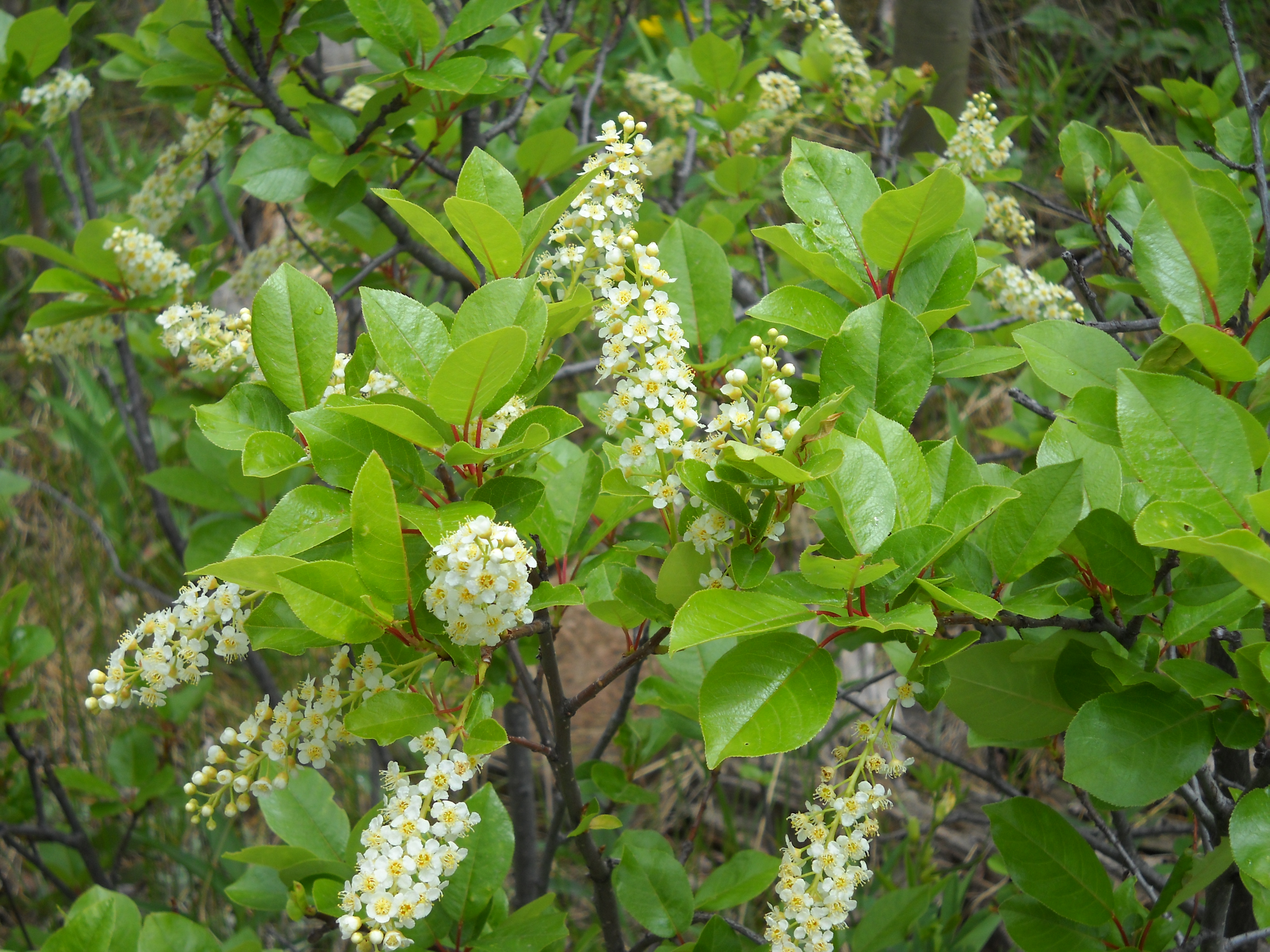
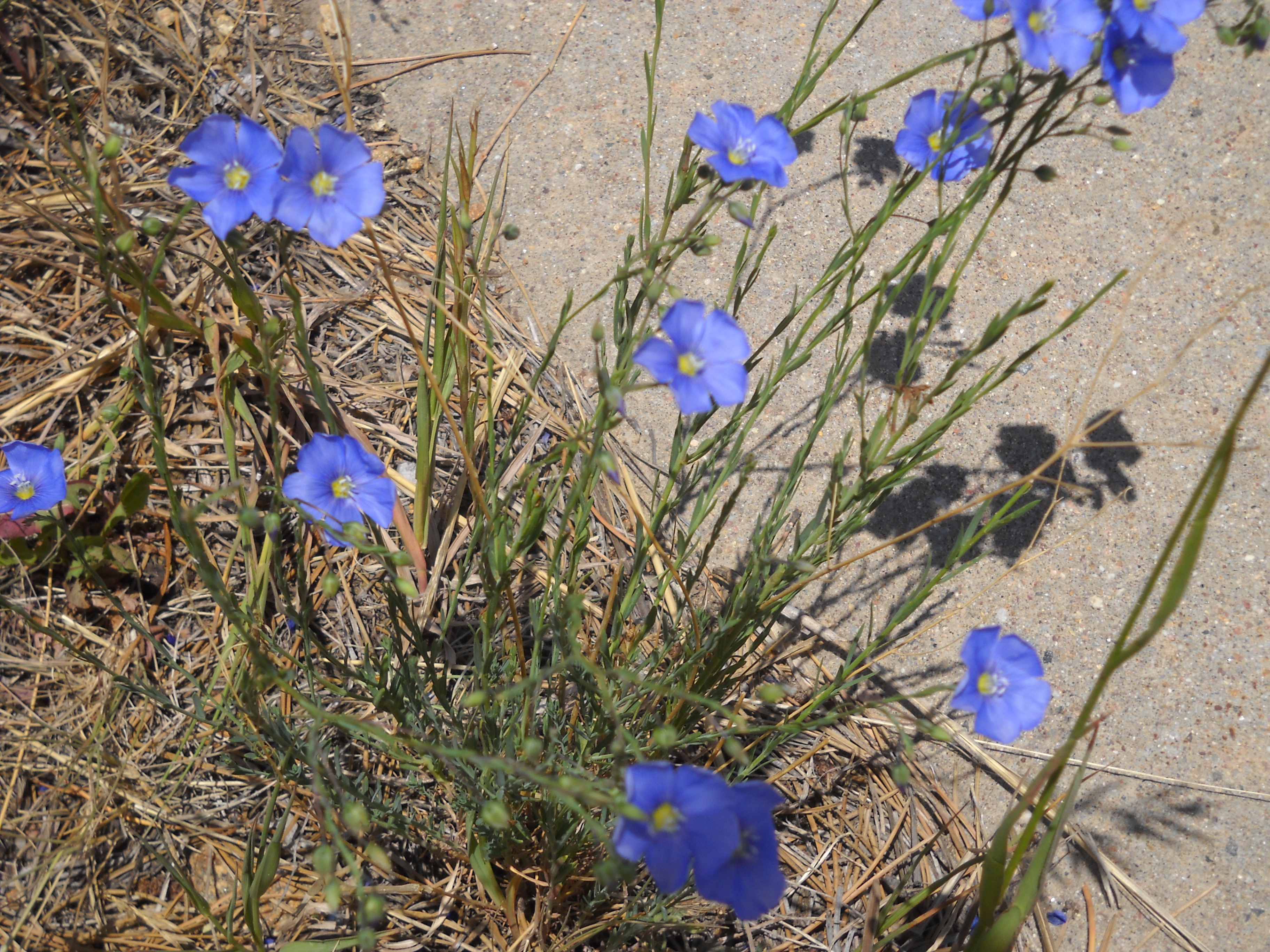
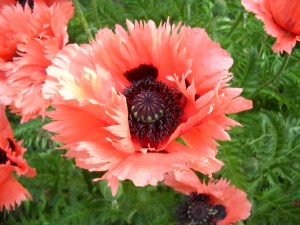
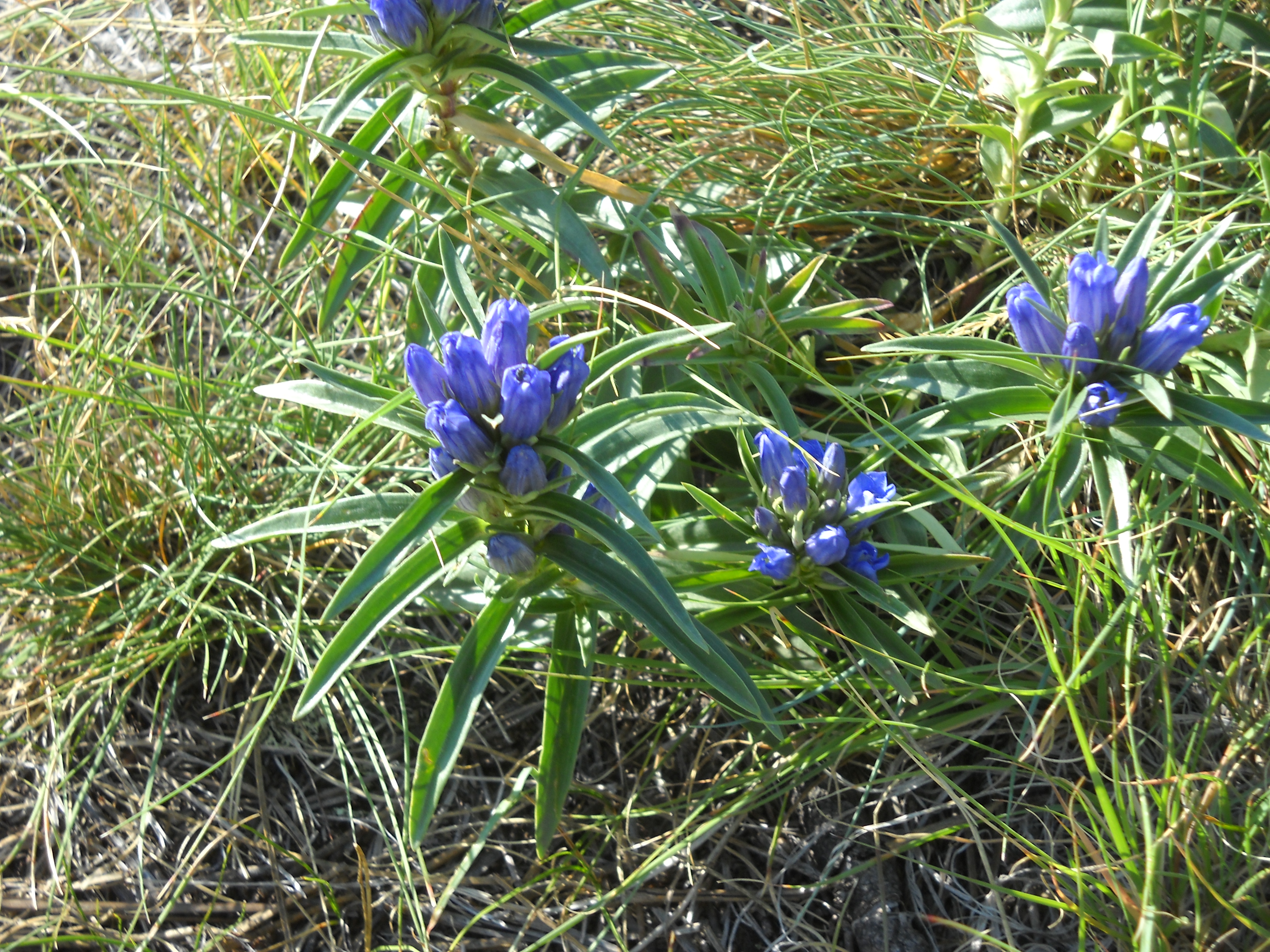
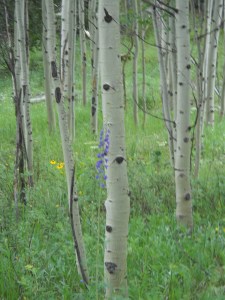
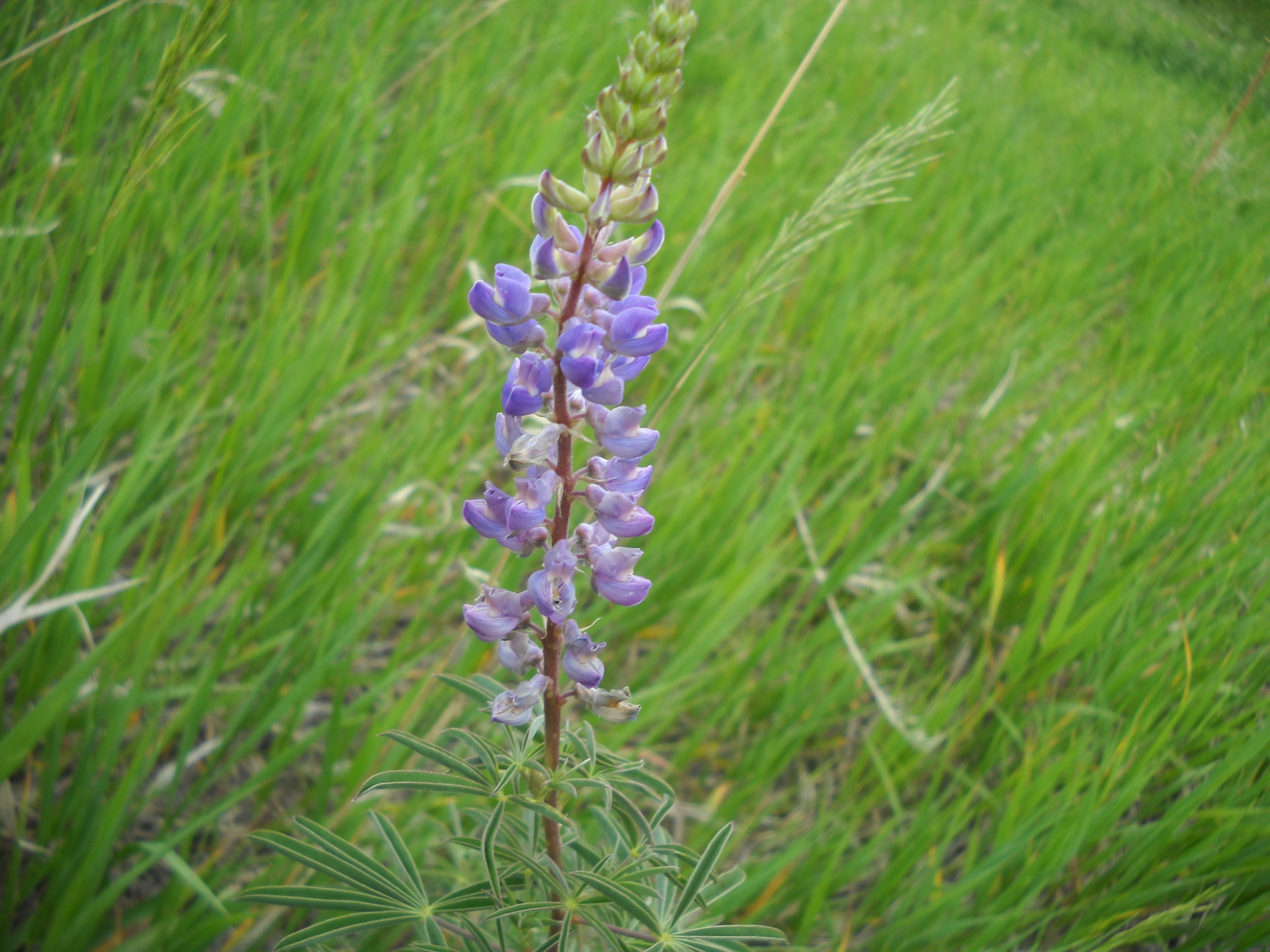
Along with the poem: Some people seem to enjoy my photos, so I am enclosing some recent flower photos:
The words that have been going through my mind the most, though are from John Prine:
Blow up your TV, throw away your paper
Go to the country, build you a home
Plant a little garden, eat a lot of peaches
Try an find Jesus on your own
From “Spanish Pipedream (Blow Up Your TV), John Prine, 1971;see http://www.youtube.com/watch?v=X9RBgfUvymM or http://www.youtube.com/watch?v=DG0-iWCKjsw, for example.
Do I dare to eat a peach?
Flexibility, Part 2
In my last post, I noted that I thought my physical flexibility was lessening somewhat. I am not happy about that, but my chief concern is that I remain (or maybe the correct phrase is become more) mentally and emotionally flexible.
I like to think that, at least sometimes, I embody definition #3 for flexible: “characterized by a ready capability to adapt to new, different, or changing requirements….” (http://www.merriam-webster.com/dictionary/flexible) This is not just some random idea I picked up on the Internet. I did once have an actual mental health professional called me flexible (and, for the record, resilient also). My family seems to expect me to be flexible and I think they are more or less satisfied with me on that point. I was going to write that my coworkers have generally thought I was flexible, but I don’t think that is completely true. However, many of my coworkers/friends have found me friendly, cooperative, and non-doctrinaire. Anyhow, back to considering my flexibility quotient:
How I have become or tried to become more flexible:
- I now like to listen to opera. This is not because I’ve changed my bourgeois Midwestern spots. It’s just that our parrot friend Phoenix enjoys opera and I trust his instincts.
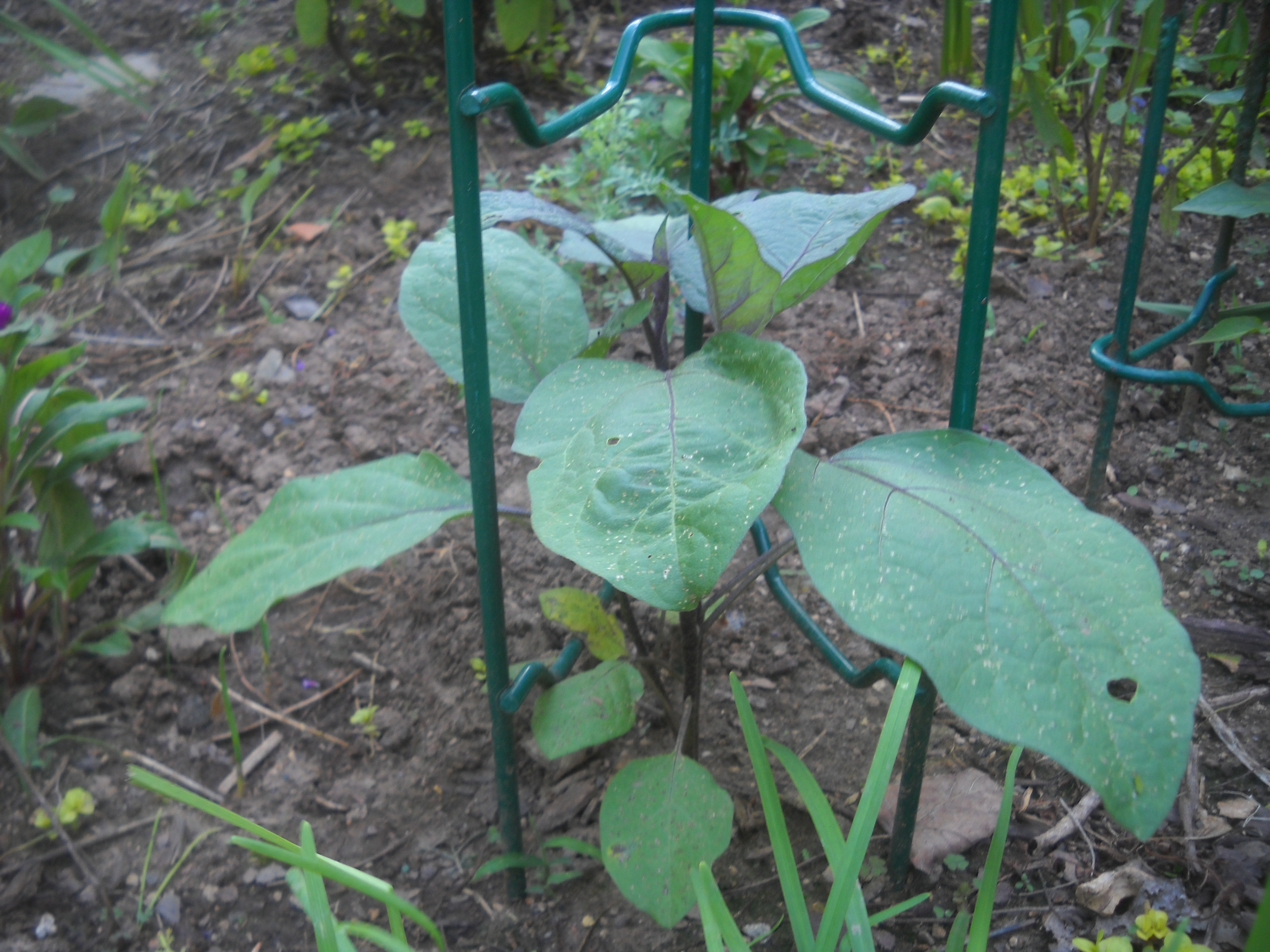
- I used to despise eggplant. I don’t blame myself. I think when I was young, I only had tasted horrible school-lunch style eggplant parmesan. I mentioned this dislike to an Afghan student. She said that she would change my mind when I tasted her eggplant dish. She was right and between the baba ganoush and that Chinese dish of fried eggplant with lots of garlic, I am now a dedicated fan. In fact, I am growing four Japanese eggplants this year (a huge crop when one gardens on 1/20 of an acre as I do).
- Time was—back when I was a new gardener—just sighting a slug was cause for loud complaints and gross-out noises. There was the time I ran barefooted to answer the phone and stepped on a giant, spotted, end-of-summer specimen. I washed off my foot in the tub for five minutes. The thought of slug slime on my foot was just too much for me to bear. It’s been a rainy spring and early summer here and just last week, I flipped a page of The New York Times Magazine, which had been out on the patio, and found a slug making itself comfortable inside. I took the slug outside and, with Tom’s help, we liberated it. I don’t usually even sprinkle my diatomaceous earth around the vegetables to tear the slugs’ little bodies. Life’s tough enough all around already without it.
- About five years ago at one of our Deep Creek, Maryland family meetings, one of my sisters-in-law introduced me to Sudoku. Not only introduced me, but left her puzzle book for me to finish. She told me that, to begin with, it was okay to fill out a few of the squares—using the answers in the back—to help me get the idea. Well, it took me more time than I want to admit to figure out the logic involved in Sudoku, and I still cheat on every game I play. At first, I kept playing because the puzzles were fun and because I love my sister-in-law and her book. Later, I played compulsively to help me through a tough patch or two. Also, at the back of my mind, I remembered that pop culture tells us that doing this stuff (crosswords, playing bridge, etc.) is supposed to help keep our cognitive functioning up to snuff—flexible, that is. I have about a fifth of the puzzles in the book yet to complete, so I guess I will see whether my slow and unsteady pace wins the prize of maintaining well-oiled cognition.
- I was the youngest of five children and so I never spent too much time alone when I was growing up. I had roommates in college and at my first jobs away from home. Then, for two quarters—maybe one—when I started graduate school, I lived alone in a cellar—more or less—in Salt Lake City. Some things happened there. A figure crouched at my window in the night staring down at me in my cellar. A thief robbed me of my Zuni bracelet, my mother’s brooch, and the Swiss Army knife I kept by my bed for safety. Many early mornings a greasy crone greeted me when I stumbled from my little space through the laundry area to my even smaller bathroom. I was not a success first time out alone. So, later on, married with kids, I used to worry when my husband would go away on business trips. I don’t know what I expected. We had nothing much to steal and, by this point, we lived in nice neighborhoods. When the children got a bit older and life became—let’s say—complicated and, maybe, not easy, I learned something new. The scary things were no longer separate from me crouching above my bed the way they had been when I was young. I realized that the fear, insecurity, and pain were inside of me. I became flexible (and resilient) because I had to do so. And I keep trying most days.
Note: My husband read these words and mentioned that I haven’t actually explained why I became flexible. I guess that’s because a) I don’t know why and b) it’s not totally true. Maybe it’s because as the youngest child and the only girl, I fit naturally into the already well-developed family structure: not too much complaining or crying or I couldn’t tag along; once a brother deemed me able to walk home from kindergarten by myself, I just had to find my way home (I did); don’t flinch when the hardball comes at you–hold your glove in the right place. As an adult, I have sometimes taken sips from the cup of bitterness. Happily, I never gulped. Instead, I would remember the Bob Dylan lines, “Ah, but I was so much older then
I’m younger than that now” (from My Back Pages) and it has seemed true for me, whenever I shook loose of the bitterness. Also, I am a stick-in-the-mud about many things–from how I put dirty dishes in the dishwasher to my politics. Furthermore, I am becoming less flexible and resilient about driving.
I don’t know whether or not my examples have convinced you or me that I am flexible.However, when I have been writing, I’ve been thinking quite a bit about some words from a W.B. Yeats poem that give me comfort. Here they are from “A Dialogue of Self and Soul”:
I am content to follow to its source
Every event in action or in thought;
Measure the lot; forgive myself the lot!
When such as I cast out remorse
So great a sweetness flows into the breast
We must laugh and we must sing,
We are blest by everything,
Everything we look upon is blest.From The Winding Stair and Other Poems, 1933
Minidoka Plus Flexibility, Part 1
Forgive me, it has been 57 days since my last post. I see by the notes in my day planner that on that day, April 14, Tom and I visited Minidoka National Historical Site (http://www.nps.gov/miin/index.htm) in south central Idaho. I don’t need notes to remember that the winds hit heavy there through the ruins and the winter grasses. Tom and I were alone there on the edge of some road, where the same single pickup truck drove past us two or three times, but there was no other traffic. Even with our REI/L.L. Bean/whatever fancy brand jackets, hats, and gloves, the cold and sadness blew right through us. It makes me wonder how that Idaho wind must have felt to the Japanese and Japanese Americans who were relocated to Minidoka in 1942. Afterwards we were going to camp at Lake Walcott State Park, but, as my notes have it, “no dice.” The state park website had claimed a campground was open, but, it turned out that the bathrooms were not unlocked yet, so we headed back to civilization. Tom and I ended up at the Best Western Plus Inn and Convention Center in Burley.
We hadn’t passed through Burley since December 1974. We’d always remembered Burley as the (not historical) site of one of the worst dining experiences of our lives. Tom, our friend Sally, and I were heading back from the Northwest (Colville, Washington and Moscow, Idaho). It felt like we were in some, I don’t know, early Altman film. No one in the restaurant would acknowledge our presence—even though the dump was mostly empty. I guess we finally got some food. One thing was for sure—we were going to get out of town before sundown. This time around, our server was friendly, and only mildly patronizing. Plus, our meals were merely bad, not extraordinarily so. The food wasn’t poisonous—American cheese grilled cheese and salad that could have come from any school lunch (before Michelle Obama got to it).
Note: It looks like I favor writing about inconsequential personal memories instead an abiding national shame relevant to our current times. I hope the photographs below can explain a little bit about how I felt.
Enough of that detour: In April, I told you I was going to write about flexibility, so, please see below.
Flexibility, Part 1: About an hour ago on my way out of my yard to the coffee shop to write, I almost tripped on my own Birkenstocks. I grabbed onto a handy tomato cage and all was well. Still, perhaps that little non-incident sums up the current state of my physical flexibility.
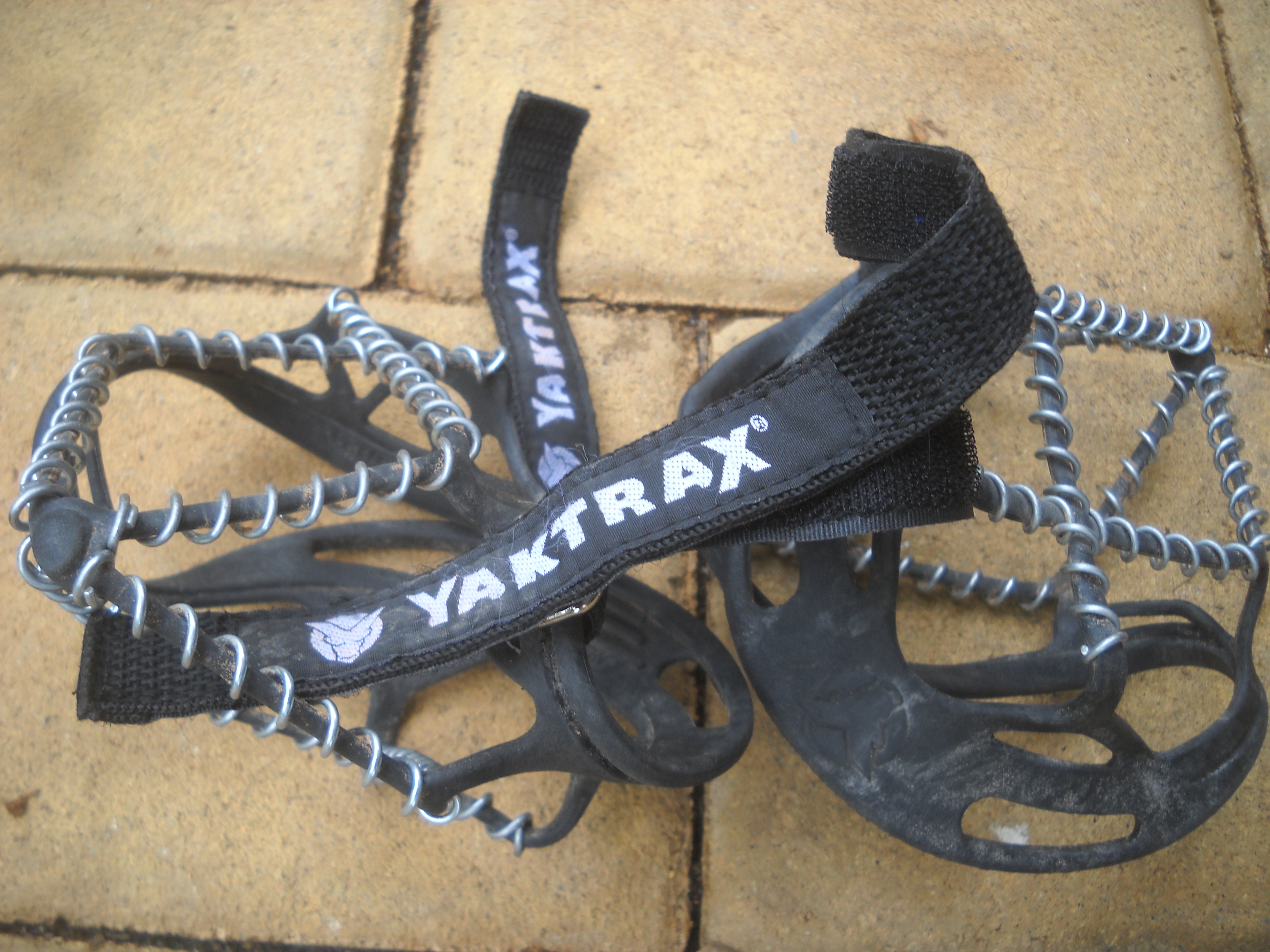
I’m thinking back to March in Canyonlands. I’m afraid I was a sight (not historical). I was inching up (I originally wrote the word “clambering” but that makes the rate of movement sound more energetic than it was) a small, but steep, patch of snowy, icy slickrock. Generally, I am pretty good on slickrock—I really do clamber on it. However, I notice that when more variables are added to a task (e.g., steep plus ice, melting snow, mud), I seem to be less flexible now than in the old days. Anyhow, we put on our Yaktrax*, Tom clambered up and then tossed down kindly words of encouragement and the offer of a hand, which I refused with what bit of dignity I had left. Really, I’m not talking about a cliff here, just four or five vertical feet. It’s like if items are not organized—first slickrock, then snow, then a scramble on a narrow trail, etc.—I’m not as comfortable multi-tasking as I used to be. I don’t know if this is true. I’m just trying the idea on to see if it fits.
I tell you, with my soggy fingers gripping the wet ice, Yaktrax digging for purchase on the rocks below and my not insubstantial butt in the air—and I was wearing my bright blue hiking pants—I was living very close to the ground.
* A couple of weeks ago, I was regaling our daughter Sarah with tales of our hiking and camping adventure, but instead of saying Yaktrax, I think I was calling them Moose Tracks (as in the flavor of ice cream). Makes me wonder about the flexibility (and reliability) of my cognitive functioning. See Flexibility, Part 2, coming to this space sometime before another 57 days.
Observations, Photos
Hello again: For three weeks I’ve been trying unsuccessfully (until today) to write a new post for this blog. I could blame my lack of production on limited access to Internet or (sometimes) even electricity, but that is not where blame lies. No, the blame lies in my wanting to condense my recent travels and experiences into aphorisms. I have wanted to tell you that I have been living close to the ground, that I am being here now, and that I would rather be a forest than a street. (see, in order, Lao Tzu, Baba Ram Dass, and Paul Simon). I am beginning to think that it is a bit ironic, not to say pompous, to try to distill into handy phrases my attempts to live more within the present. Instead, today, I am going to write down a few observations from the last several weeks and share some photos.
Observations:
About identifying flora, fauna, and geologic formations: I am less strict with myself now than in previous times. That is, if I see some kind of aster, say, I will allow myself to check it off in my flower guide even if I am not 100% sure of the species or sub-species name. Or, if we thought we saw a western meadowlark, I allow myself to mark it off in the Peterson’s A Field Guide to Western Birds. My copy is over forty years old, falling apart, and now there’s even an app for identifying birds on your smart device—I might as well mark up the guide now. When I am dead and gone, I don’t think anyone will be inspecting my book to see whether I made any inaccurate identifications. Re the geologic formations: if I think a layer of rock is likely Moenkopi Formation, I say to Tom and myself, “I think that layer is likely Moenkopi Formation.”
On tolerance for risk: While I have always been quite risk averse (read: overly cautious, chicken, etc.), this tendency seems to be intensifying. My husband and I love traveling where no one else is around. On this trip, we’ve spent days on empty roads and deserted campgrounds. We love being by ourselves with the beauty and the silence and the maybe meadowlarks…but. Get us on a muddy hill in the Grand Staircase Escalante National Monument and we turn tail (slowly, carefully, in 4-wheel drive mode) and go back to a more civilized campsite.
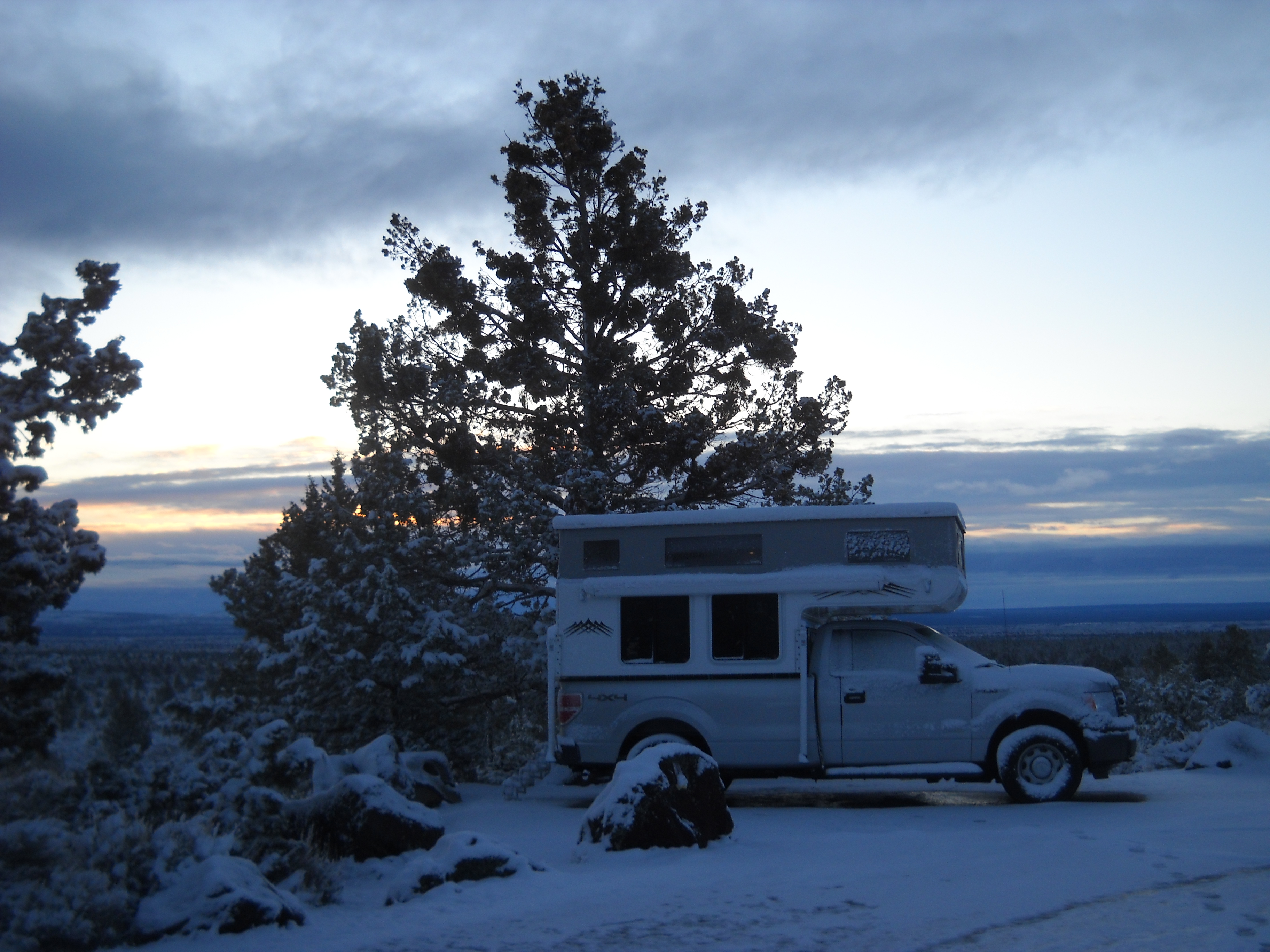
About our vehicle: We drive a Ford F-150 EcoBoost with a Hallmark (Ft. Lupton, Colorado) Guanella camper. So far, our truck camper has proven to be a yare craft.
About bodies of water: About camping at Big Sur—I don’t have the words. Still, it’s clear to me that I love lakes and rivers more than the ocean. I grew up on a Michigan lake and the voices of the frogs, the calls of the red-winged blackbirds, and the low sounds by the shore are music for my soul.
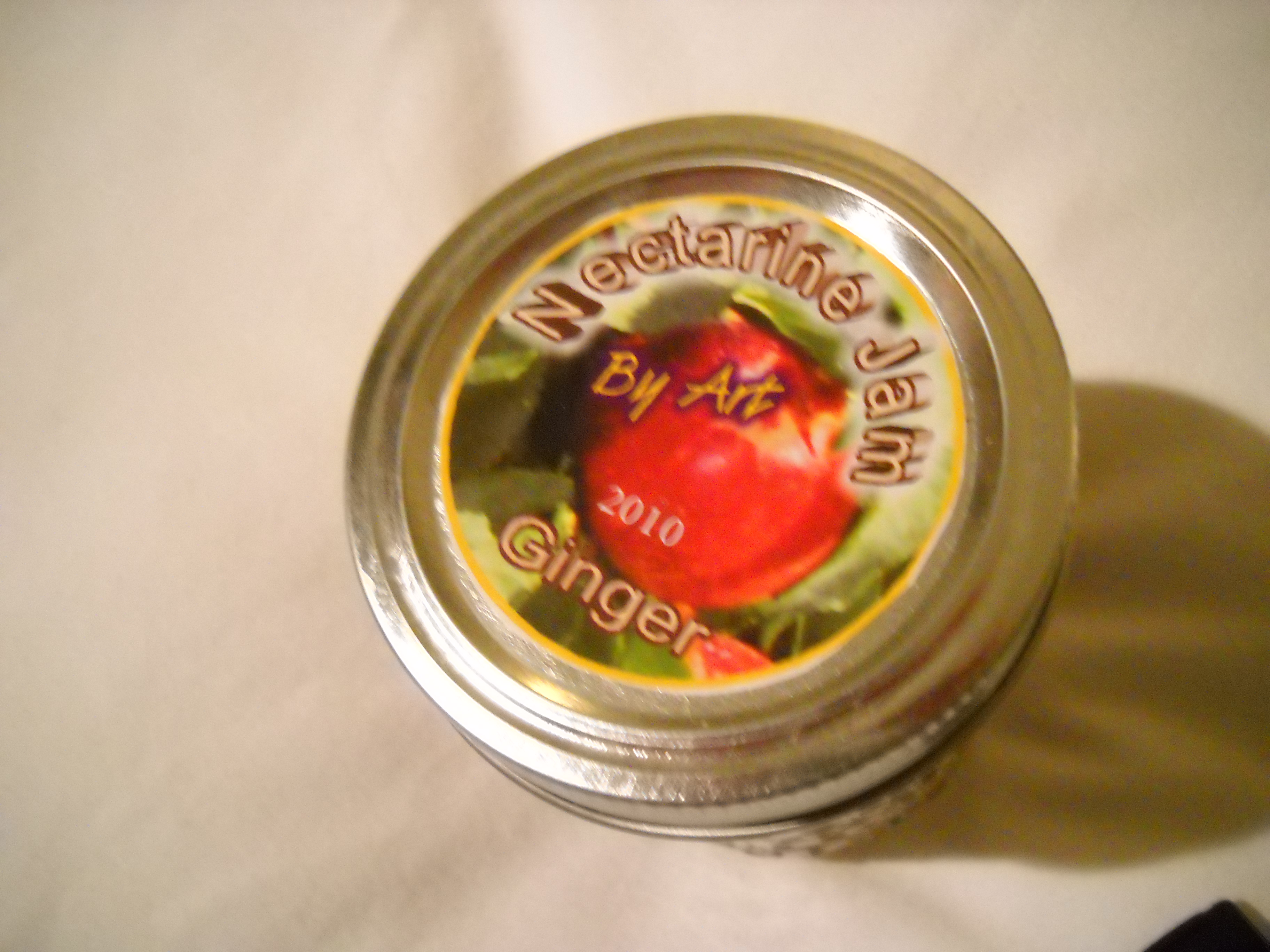
Regarding the tastiness of food while hiking: For decades my friends and I have laughed about how good the Vienna sausages tasted below the rim in the Grand Canyon and how toothsome the Gerber’s blueberry buckle was in the Kolob backcountry of Zion. At least this one aphorism stands: just about anything tastes delicious when you’re hiking. Nothing tastes better than whole wheat bread, peanut butter and (Art’s homemade) jelly sandwiches, accompanied by some carrots, chips, hummus, and clementines, washed down with water.
Concerning flexibility: Lately, I’ve been thinking a great deal about my physical and mental flexibility (or lack thereof). However, I think these are enough observations for today. More on flexibility next time, but now, here are some photos.
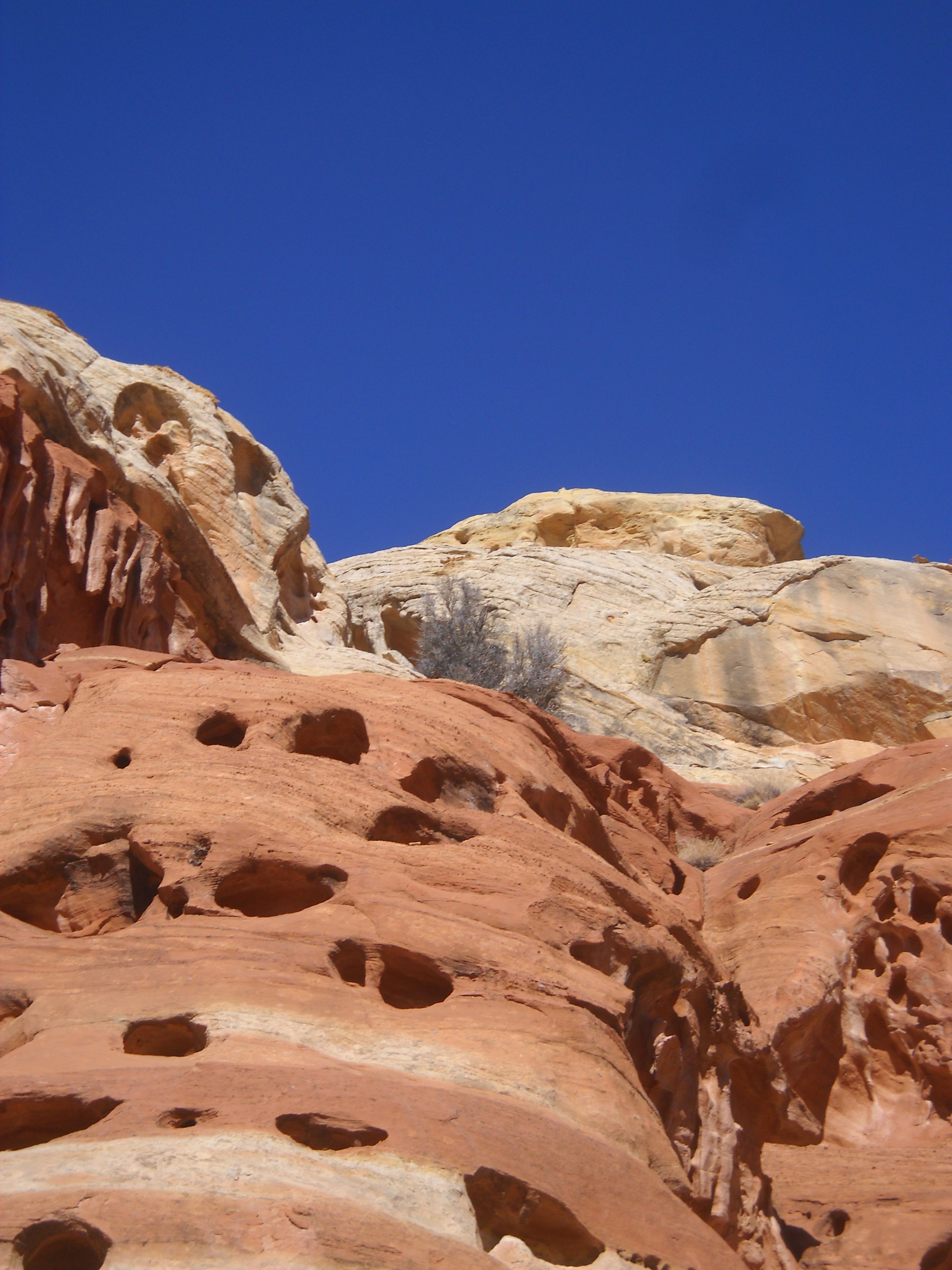
Photos:
Places and Names
One of the happy memories of my intensive child-rearing days is watching PBS’s Reading Rainbow with our children, Sarah and Robert. In those hot and humid Virginia summers, the three of us looked forward to piling on the bed, cooling off with the faint air of the window unit, and enjoying LeVar Burton’s light, upbeat delivery of the good news about books (or the news about good books). My favorite episode, from 1983, featured Paul Goble’s Gift of the Sacred Dog.* In this episode, Phoebe Snow sang a song written for the show by Steve Horelick, “Ancient Places, Sacred Lands,” which evokes the power of American names. I cry whenever I hear the song, including twice this morning. (http://www.youtube.com/watch?v=Odd53Y3d2GM):
Come sit beside me, and hear a story
Of long ago when the people lived free
And named the waters, and all the places
High and low
Refrain:
Ancient Places, Sacred Lands
Names we know so well
But no one understands
I guess it is either the English teacher in me or my somewhat obsessive nature that makes me love lists. Furthermore, I particularly love American lists. Walt Whitman, Allen Ginsberg, Maya Angelou, Stephen Vincent Benét, Edward Abbey, heck, even Vachel Lindsay please me with their incantations of American experiences, people, and places.
Why I am telling you this now: For the last seven weeks my husband Tom and I have been traveling by car in the intermountain west in fulfillment of a long-held dream. I’ve tried to post some insights (or, at least, experiences) of this trip, but that has proven difficult. I don’t have words to describe the places we’ve seen. I have some photographs (below), but even the best of them are only crude likenesses of what we have seen. Likewise, I can’t describe my emotions accurately either. Tom and I have been happy and sad, giddy and pensive, and satisfied or not. We have visited some of our dear friends from the old days and found them to be as dear as ever. That is, we have not arrived on a different plane; life has gone along with us on the journey. So, I have turned to the names of the places we’ve visited, hoping, as with the poets, that some of the power of the places can be transferred to this page:
Colorado, Denver, Glenwood Springs, Grand Junction, Book Cliffs, Utah, Uinta National Forest, Price Canyon, Soldier Summit, Salt Lake City,Quince Street, Marmalade District, Little America, Goshen, Kolob, Zion, Rockville, Springdale, Refrigerator Canyon, Walters Wiggles (a few), Pa’rus Trail, Angel’s Landing, Oscar’s Café, St. George, Ivins, Santa Clara River Reserve, Arizona, Arizona Strip, Kaibab Plateau, Jacob Lake, Vermillion Cliffs, Flagstaff, Coconino Plateau, Mogollon Rim, Sedona, Sally’s house, Teacup Trail, Jim Thompson Trail, Chapel of the Holy Cross, Jerome, Prescott, Thumb Butte, Nevada, Boulder City, El Cortez Hotel, Las Vegas, California, Needles, Mojave National Preserve, Barber Peak Loop Trail, Opalite Cliffs, Banshee Canyon, Colorado River, Cattail Cove State Park, Virgin River Gorge, Springdale (again), Zion (again), Great White Throne, Pioneer Lodge, Watchman Trail, Coalpits Wash, Scoggins Wash, Weeping Rock, Hidden Canyon, Temple of Sinawava, Page, Big Water, Grand Staircase-Escalante National Monument, Wahweap Hoodoos Trail, Kanab, Sq**w Trail, Coral Pink Sand Dunes, Moccasin Mountain Dinosaur Track site, Mt. Carmel Junction, Elkhart Cliffs, Long Valley, Sevier River, Panguitch, Panguitch diner, Panguitch in the snowstorm, I-70 to I-15 in the blizzard, I-15 to Payson in the whiteout, Art and Skip’s Mardi Gras, Spanish Fork Canyon, Price Canyon again, Soldier Summit again, Glenwood Springs, Vail Pass, Eisenhower Tunnel, Denver.
*In the last three years I have divested myself thousands of books and papers, but I still have all of our Paul Goble books safe and sound in storage. I highly recommend Goble’s retellings of Native American stories, but you don’t have to take my word for it…. I’ll see you next time.
Flowers, various (for January)
It’s true that I slipped on the ice walking on the Thumb Butte Trail (http://www.fs.usda.gov/recarea/prescott/recreation/hiking/recarea/?recid=67469&actid=50) yesterday, but mostly the weather has been mild here in central Arizona. I have had to retrieve my hiking hat from my suitcase and I am going to dig out the sunscreen. On our hikes–more like little walks–I have been working on desert plant and geologic formation identification, However, it has come to my attention that our family and friends in the East and Midwest are freezing. Here are some flowers for January, with love:
Artifacts
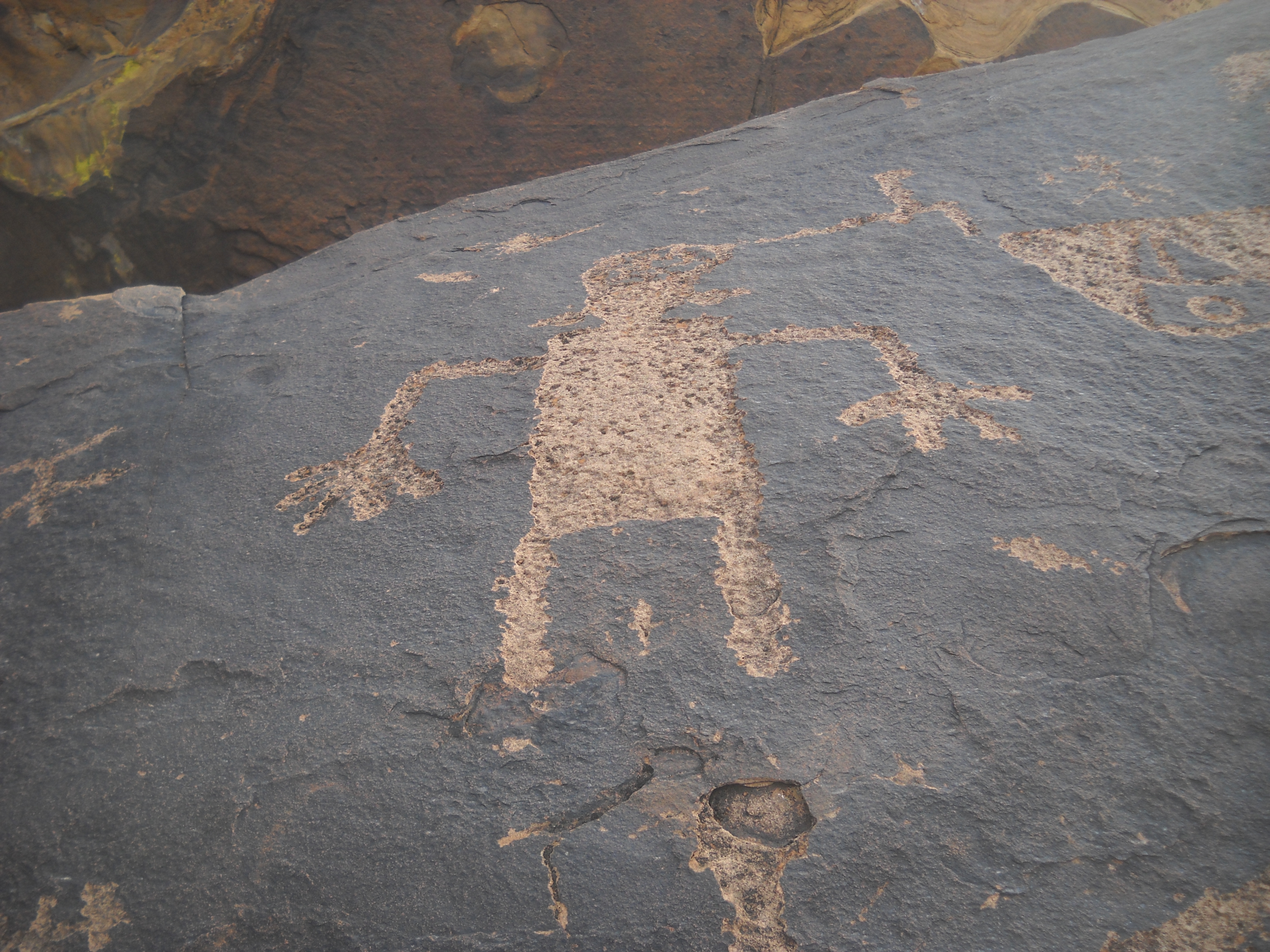
Sometime in 1974, my husband Tom and I and our friends, Art and Dave, decided to explore the San Rafael Swell area of Southeastern Utah. This area wasn’t too far from Carbon County, Utah where Tom and Art had grown up. If you’ve driven on I-70 through eastern Utah, you’ve seen how remote this area is. Even now, the 110 miles between Green River and Salina, Utah is the longest stretch of the Interstate Highway System with no services for motorists. Back in 1974, the freeway wasn’t even built, so we were really in the middle of nowhere. That’s not the accurate thing to say, though. We were alone in the middle of thousands of acres of beauty and silence.
That’s not what I have been thinking about all these years, though. I have been thinking about two things. First, I think about how we—not scampered, not trudged— more like just persevered up and around the swells and valleys in the blue Volkswagen Squareback. I always pretended the car had 4-wheel drive capabilities, and it generally rewarded my high expectations. This day, we were on a sandy, rocky track toiling up to a rise. There was a large rock ahead on the side of the track. When we got almost next to the rock, it shape-shifted into a golden eagle. The eagle unfurled his wings—almost close enough to touch—and flew from the brown sand into the blue sky. Was it magic or some kind of benediction or just nothing out of the ordinary? I’m reserving judgment.
But I mostly think about how I almost killed our friend Art, all around good man and best man at our wedding. With all the hundreds of canyons of the San Rafael surrounding us, it just seemed natural to start climbing up and that’s what we did. I was young then. My bones didn’t creak and I did not step gingerly. We started scaling a cliff—mostly straight up—and I was first. I don’t remember why I was first, but I suspect it was because I was the non-Utahn in the group, by far the shortest, the woman, and so they wanted to let me set the pace. After me, came Art, then Dave, and then Tom—one straight below the next.
I don’t remember now whether it was sandstone (probably) or limestone, but I felt indigenous to this place. My hands felt at home on the rocks. I knew how to carefully search out footholds and handholds, and soon we were high above the canyon floor. I grabbed a large—and, I thought, secure—rock. It dislodged and fell down on Art’s shoulder. He fell straight backwards towards the canyon floor 50 or more feet below. Probably before I could even scream, Dave caught Art and stopped his fall. That’s about when we finished that climb. I don’t remember anything else about that time. We all resumed our lives. Some things changed; some things stayed the same.
Last week I saw Art for the first time in thirty years. Tom, Art, and I were having dim sum at the Café Anh Hong in Salt Lake City. Art said he sometimes thought of that incident in the San Rafael. He thought maybe that throughout our lives we don’t always know when or how often we just miss death or calamity. I am glad that Art missed that San Rafael exit point and that his good will has stayed in the world all these years. Art’s favorite old rock CD is Love, Forever Changes. It does, but it stays the same.
Artifacts:
Colorado: November 2011 — January 2013, various
Looking for the Thunderbird
We’re having the first snowstorm of the season today in Denver and that’s a good thing. We’ve had so much drought and so many fires that we need all the precipitation we can get. Right now, though, I’m mostly worrying about getting in the car and driving out to pick up my husband at the airport. They put the new airport a million miles (24 from our place) out on the eastern plains and, after living in the Washington, DC area for 25 years, I am snow driving averse. So I am sitting here obsessively checking flight updates, waiting for the sheets to dry, listening to Judy Collins radio on Pandora, writing, and indulging in a bit of nostalgia. Right now, I have been listening to “Flowers Never Bend with the Rainfall.” Before that I heard John Denver’s “Leaving on a Jet Plane,” Fleetwood Mac’s “Landslide,” and K.D. Lang’s version of “Hallelujah.” I’m waiting for a sign to see whether I should drive or tell Tom to get a taxi. I’m not a good snow driver now, but it wasn’t always that way.
In 1972-1973 I taught eighth grade literature in the (then) little boom town of Page, Arizona. Each week I struggled to make it through to Friday afternoon. I was prepared, though. Thursday night I would gas up my Volkswagen Squareback at the Circle K, put my bag in the car and be ready to head out of town right after school the next day. About every other weekend, I would drive up 386 miles to Salt Lake City to visit Tom. Other weekends, I would just head out anywhere away from town. Lucky for me, anywhere and everywhere outside of Page was beautiful beyond any words I might try to use here.
Decision: Okay, I will finish this story later. I am going to try to drive out to the airport. If I find the roads too bad, I will turn back, but, at least then I won’t feel like a superannuated chicken. If I used to be able to drive 386 miles in the snow to see Tom, I should hope I could still manage 24.
Result: The roads weren’t that bad, the wait for Tom to clear customs wasn’t too long, and the view of the Front Range on the drive back to Denver was worth the earlier ice and slush.
Back to the story: One snowy Friday afternoon in December (I’m back in 1972 now), I headed north on U.S. Route 89 going somewhere. It was snowing so hard, it was so dark, and I was so lonely that I pulled into to the Thunderbird Lodge in Mt. Carmel Junction, Utah. Even though the motel was only 91 miles from Page, I had dinner, booked a room, and settled in for the night. As the snow came down, snuggled in my bed, I watched a special repeat on T.V. of The Walton’s The Homecoming: A Christmas Story. I think I might hear people gagging or laughing out there in the cyber world, but I did love watching the show about snow coming down, Christmas coming, and people wanting to be with those they loved. I’ve never been a very successful cynic and maybe the times were different back then. A year or two before I had seen The Homecoming with some of my friends back home in Milford. I wasn’t home, I was not anywhere near a stable with oxen, and yet I felt happy and content.
Even though it is somewhat gussied up (for Mt. Carmel Junction) now, I still love the Thunderbird. Just this past summer, I had left my friends Sally and Laura after our rendezvous in Zion National Park, I couldn’t get to my campsite in the Dixie National Forest because of landslides, I got freaked out again on high desert roads, and I needed a place to feel safe and to not be alone. I drove to the Thunderbird, which was in the opposite direction I should be heading, had dinner, booked a room, and snuggled into bed reading Mysteries and Legends of Utah.
Back to the present: It’s been a difficult week for all of us who struggle to believe in a civilized world where we take care of little children and everyone else. I wish us all to feel safe and to not be alone.