On December 31 I began transferring information (e.g., addresses, names, passwords, odd little numbers whose meaning I no longer recall) from my 2025 weekly planner to my 2026 weekly planner. I have been doing this ritualistically for over ten years. I think I use this task as an opportunity to reflect on the past year and the people and things I love. I also transfer some lyrics from Neil Young’s song “Helpless.” I usually copy the first stanza, but sometime in 2025, I added two more lines into my planner: “Big birds flying across the sky, throwing shadows on our eyes.” I don’t exactly understand the lines, but I love big birds flying across the sky. In November 2025, Tom, George, Valerie, and I drove from Toledo to Cleveland the fun way–skirting Lake Erie. I saw three bald eagles flying across the sky. Speaking of shadows on our eyes, I had cataract surgery last June. That was something, i did not love, but I do love how the literal shadows on my eyes are gone so I can see more birds (of all sizes) flying. Other shadows remain, though. Working on transferring the addresses from the old planner to the new, I realized that now that my sister-in-law Nancy has died– my brother Roger (her husband) died in 2011–I no longer needed to copy their address and phone number into my new book. For a moment, that realization threw a shadow over my eyes and my heart.
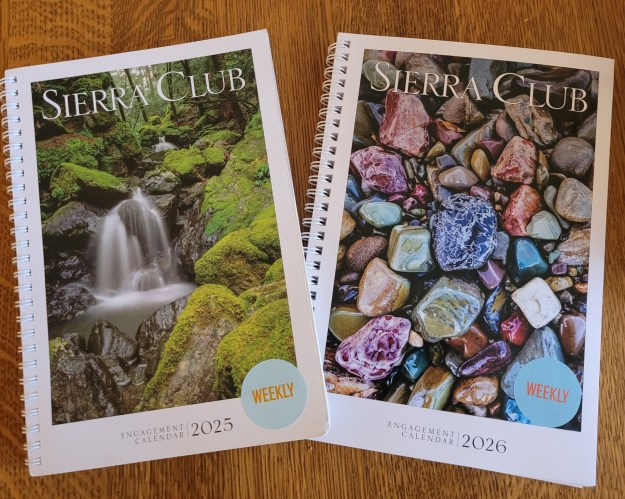
weekly planners
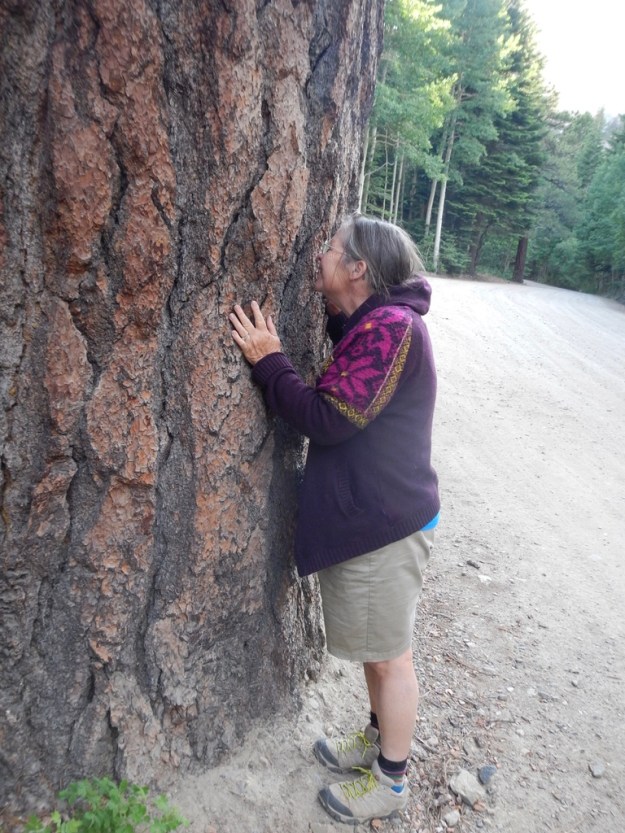
Trees I have been thinking about trees again (or still). About two weeks ago, I finished the book, The Twilight Forest: An Elegy for Ponderosa in a Changing West by Gary Ferguson. Throughout, the book expressed Ferguson’s love for the ponderosa pine trees (Pinus ponderosa). The book contained facts, figures, and anecdotes about this species that I also love.* Ferguson explains that ponderosa pines are under extreme duress because of historically misguided forest fire policies and climate change. I wanted to run off and hug a ponderosa, but they live a long way from Arlington, Virginia.
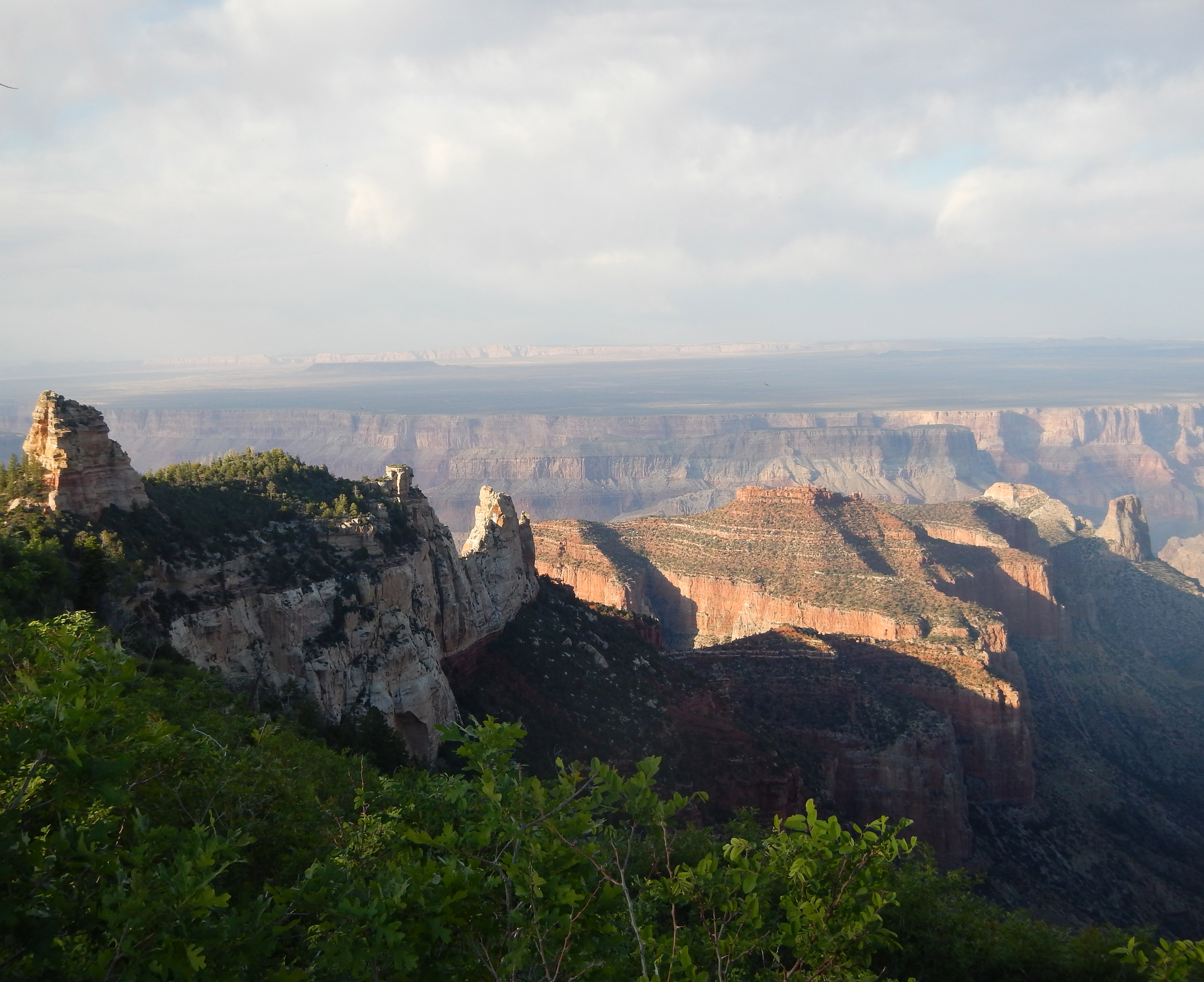
In July of 2025 I wrote about the forest fire on the North Rim of the Grand Canyon. The North Rim is on the Kaibab Plateau, which is part of the largest contiguous ponderosa pine forest in the United States. For Tom and me and many of our close friends, this is a place of special meaning and power. May the ponderosas–and all animals, plants, and humans that depend on them–survive their travails.
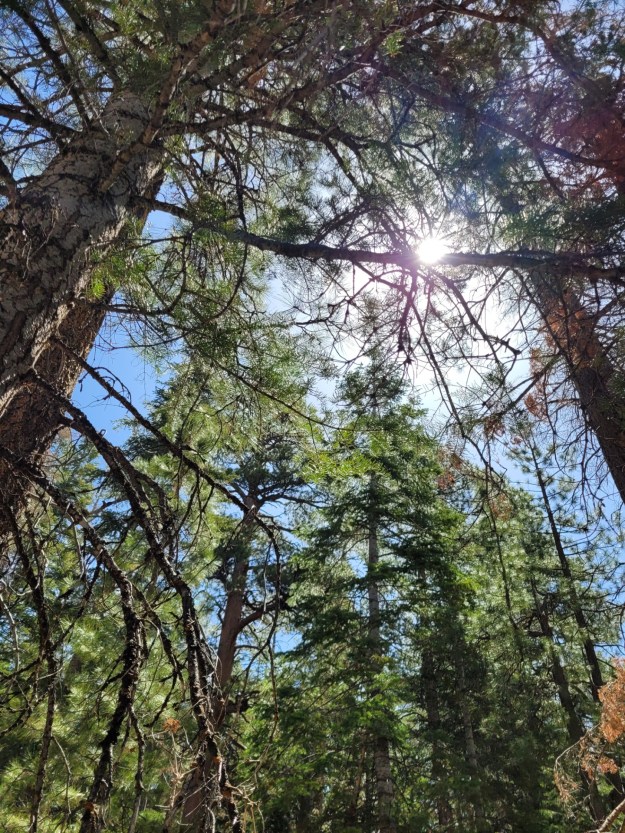
ponderosas on the Widforss Trail, North Rim May 23, 2024
Tolkien and Trees As I mentioned in September 2025, I set out to read The Lord Of the Rings one more time. I finished the trilogy some time around the end of October. As ever when reading LOTR, I found myself captivated by and immersed in the world of Middle Earth. This time, more than ever, I found Tolkien’s (almost constant) descriptions of nature to be vivid, realistic, and comforting. In fact, I found my latest reading of The Lord of the Rings so joyous and therapeutic that I hope I will stick around on my particular earth long enough to read it yet another time.
Since rereading the series, I have been thinking of the Hobbits and the Elves, the Orcs and the Ents, and the other peoples of Middle Earth. I have had cause to think about Orcs and their destruction of trees and other living things. On December 31, I read the Washington Post article: “New Images Offer Closer Look at Demolition for White House Ballroom, “ by Jonathan Edwards.** The article reported:
Sept. 18
A crew finishes razing a towering oak, a task that took six days and required ropes, a wood chipper and a hydraulic bucket truck. Workers systematically sheared off limbs before cutting the tree’s trunk into chunks, until only a stump remained.
Destroying for no good reason “towering” oak trees–beloved of squirrels, Druids, environmentalists, and me–sounds like the work of latter-day Orcs. I see the works of the Orcs around me. I am still searching for the Ents, guardians of the trees.
However, I am not overly downcast. The Solstice has passed and light is coming. Around here, 2025 was a mast year*** for the oaks, so there has been a wealth of acorns. The other day, I fancied I was seeing more activity among the neighborhood crows. I expect the mourning doves to start investigating our balcony for a nesting site in the next month or two. The plants on our balcony are restive; the parsley is growing. Bottom line: until we discover the Ents, we will keep on keeping on as best as we can. Happy New Year.
* I note that I have used “love” many times in this article. I am not trying to be syrupy. Still, for me (and others, I believe) it is a time of high emotion and I am saying what I mean. Plus, at 76 years old, I no longer have the luxury of mincing my words, waiting for the perfect time to say what I mean.
**If you don’t have a subscription to the Washington Post, you may not be able to access this article, but I thought it was worth trying to share it.
*** You can read about mast years in this article from the Potomac Conservancy.








 Close to the Ground: Living Inductively