Category Archives: Places

Once More to the Rim


Grand Canyon Lodge at sundown

A few days ago, I started thinking about what I should write about the forest fire on the North Rim of the Grand Canyon and the destruction of the Grand Canyon Lodge and its environs. Yesterday I realized that I have been writing about the North Rim and surrounding areas since I began writing this blog in October 2012.  I don’t think you need many more words from me about this beloved place right now. Below, I have gathered links to some of the earlier articles I have written about the rim. I am also including a handful of the hundreds of photos of I have taken of the North Rim.

Grand Canyon Lodge with Oza Butte in the distance

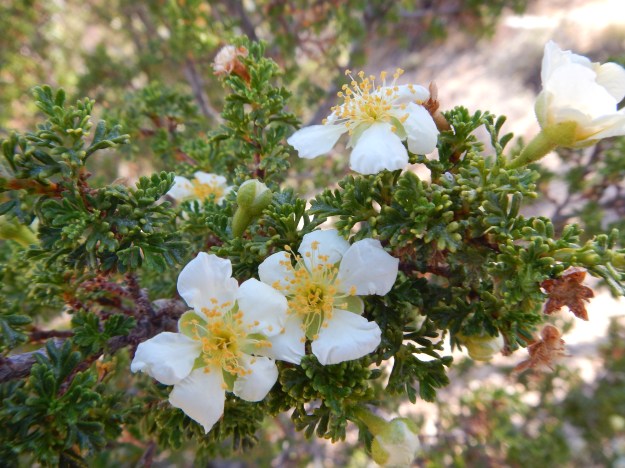
cliffroses North Rim June 7, 2014

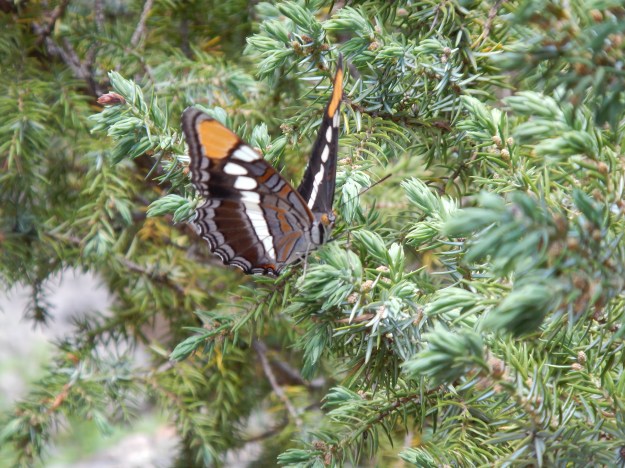
Arizona sister (Adelpha eulalia) Harvey Meadow, North Rim

view of the canyon from near Bright Angel Point, May 2024

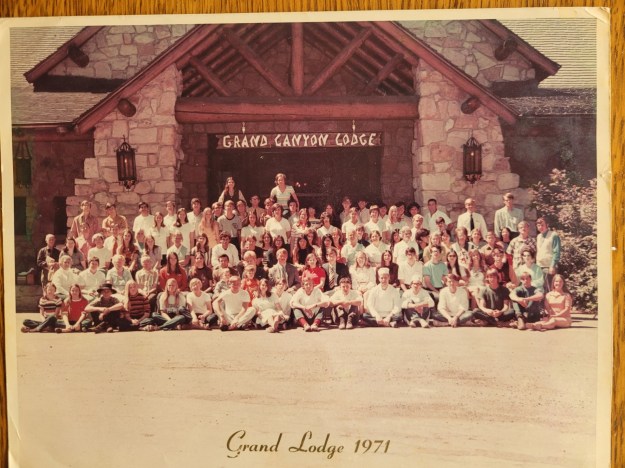
my first summer at North Rim*

our car July 17, 2025

The four classic elements: Fire, earth, air, water. North Rim has them all. Fire now, certainly.  Earth is still there and will regenerate.  Air: I can almost smell that fragrance of ponderosas in  the sunlight at 8,000 feet. Water: I remember the old stone drinking fountain outside the lodge. It was the best water I ever tasted, and this from a water girl from Michigan. Showers at Roaring Springs, the music of Bright Angel Creek, the search for Cheyava Falls on a spring break way back when, and the Colorado River.  Changes now, certainly, but the canyon world survives. Love and peace to my canyon friends.


* I am in the second row on the right wearing sunglasses.

Roads

After failed attempts in three successive years, Tom and I recently completed one more road trip to the western United States. While not the year-long or months-long trips of years past, it was (you may say) satisfactory. We drove 6,184 miles through 15 states. For a good part of the trip west, we tried to travel on U.S. Route 50. On the way back home, once we got through Colorado, we mostly followed U.S. Route 30 east.

early morning, Iowa farm country

early morning, Iowa farm country

We heard birds everywhere we traveled: a Baltimore oriole cheeped in the tree above our campsite at North Bend State Park in West Virginia; dicksissels and Eastern meadowlarks sang in the TallGrass Prairie National Preserve in Kansas; and we saw, heard, and acknowledged the ravens at the North Rim of the Grand Canyon.  At the Gates of Lodore campground in Dinosaur National Monument, Tom and I camped next to a busy family of black-billed magpies, where, for hours at a time, the parents took turns quickly gathering food and returning to the nest to feed their clamoring babies. I had never seen before this intense behavior so near at hand. I feel lucky to have seen it  On our month-long trip we heard and saw warblers, vireos, woodpeckers, sparrows, nuthatches, tanagers, cardinals, owls, Canada geese, wrens, and many more species. Through the weeks and miles–in the woods, prairies, canyons, and mountains–I often would hear a particularly sweet clear song. It was always familiar, but I would check my Merlin app to be sure. It was always an American robin. I love them and thank them for their companionship on this trip and in my life.

On this trip Tom and I made an effort to see not just our favorite places, but also some places we have longed to see. We sought out gardens, arboretums, forests, preserves, parks, and monuments. Some places–like Browns Park in northeastern Colorado–I had been reading about for decades. Other places–like Purdue’s Gabis Arboretum in northwestern Indiana–we searched out as we traveled. Below are photos of some of the places we visited.

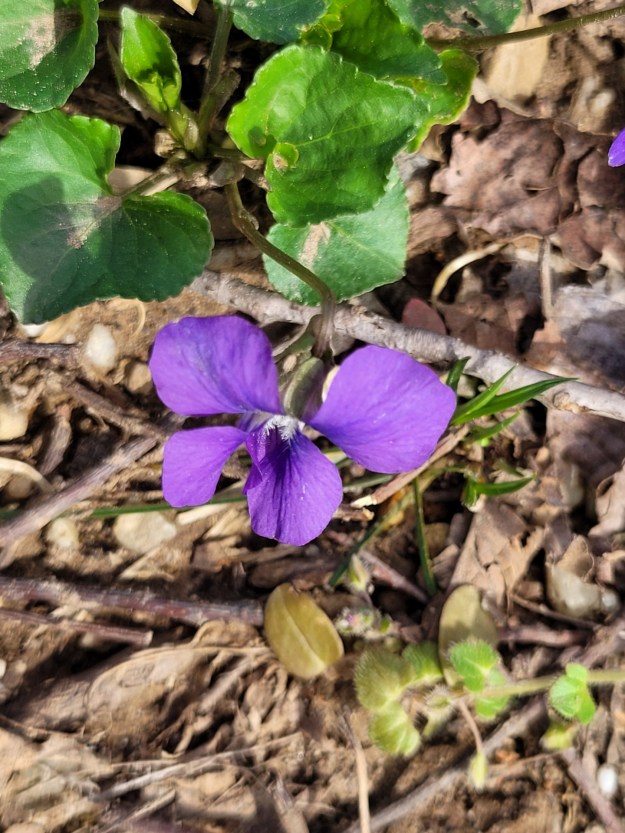
cream violet, North Bend State Park, West Virginia

Muscatatuck National Wildlife Refuge, Indiana

southeastern Colorado

Bandelier National Monument, New Mexico

roundleaf buffaloberry, Cape Royal, North Rim, Arizona

Gates of Lodore, Dinosaur National Monument, Colorado

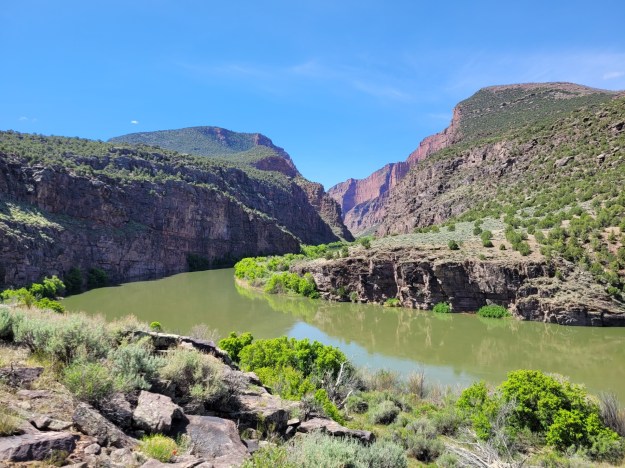
Browns Park National Wildlife Refuge, Colorado

Poudre River Canyon, Colorado

Poudre River Canyon, Colorado

evening, Prairie Rose State Park, Iowa

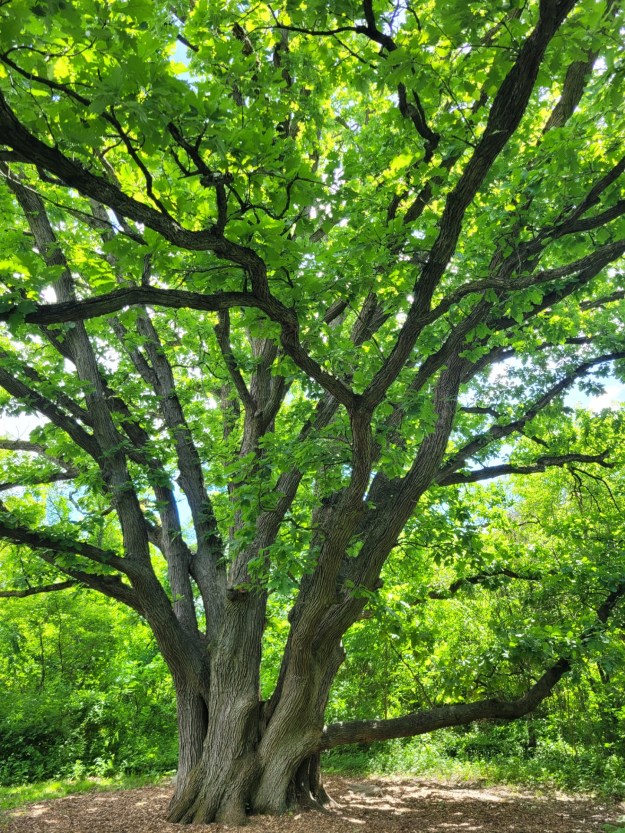
bur oak, Gabis Arboretum, Indiana

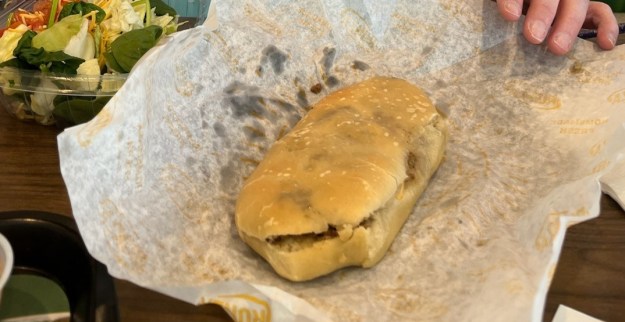
Tom and I were going on a road trip, so we were also planning on finding some tasty road food along the way. In fact, before our departure, Tom had been studying The Great American Burger Book to find iconic burgers in the states we would travel through. As it turned out, we only tried two regional favorites from the book: a GOM Sandwich at Zaharakos Ice Cream Parlor and Museum in Columbus, Indiana and a bierock at Runza, a chain restaurant in North Platte, Nebraska. I found the GOM sandwich pretty good and the root beer float I drank with it delicious. The fast food bierock tasted like nondescript fast food, but the staff members were friendly. If I travel through Nebraska again, I would like to try a slow cooked version of a bierock.

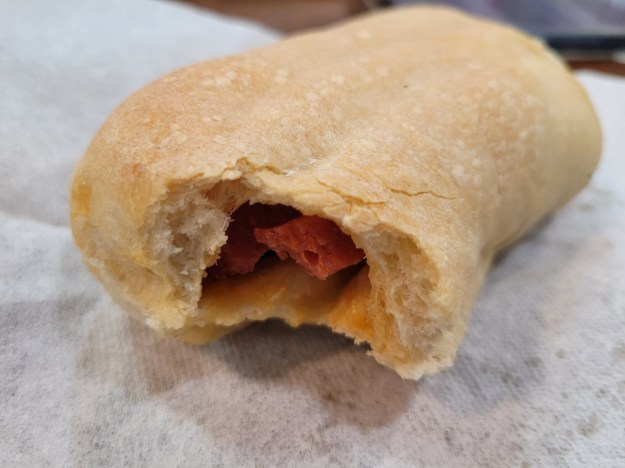
We did come across a handful of good restaurant meals on the road, though. Pepperoni rolls are a thing in West Virginia and we had great ones–for lunch and dinner!–from Tomaro’s Bakery in Clarksburg. If you like good bread and flavorful artery-hardening Italian meat and if you are nearby, it’s worth a drive to the old Clarksburg downtown to try these rolls. It’s a long way from almost anywhere to the generic strip mall in Minooka Illinois, that houses the Dragon Inn. We ate the best dumplings we ever had and the other dishes we had (which escape me already) were also delicious. I wish I had taken more photos, but we were busy eating.

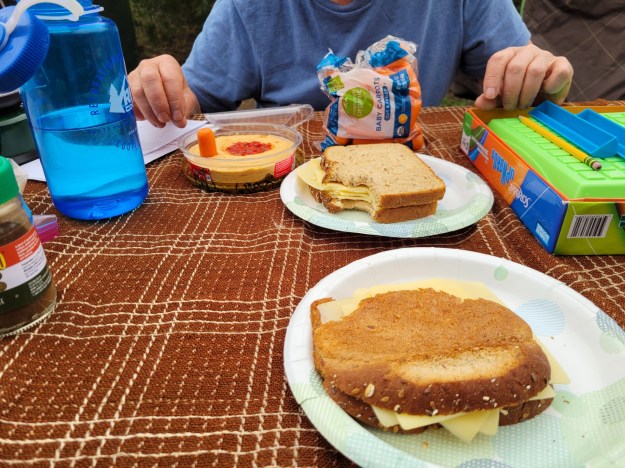
On this trip Tom and I stayed in hotels much more than we camped. Still, one of my favorite meals was our standard  camp meal of cheese sandwich, hummus, carrots, and chips.

The Great American Burger Book

pepperoni roll from Tomaro’s Bakery, Clarksburg, West Virginia

bierock, North Platte, Nebraska

dumplings, Dragon Inn, Minooka, Illinois

camp meal and game, Bandelier National Monument

The Other Road We Travel Yesterday was Tom and my 50th wedding anniversary.* As it does happen in this life, we started out young and now we are old.  When we were young at the North Rim and a few years later in Salt Lake City, we flew  with our friends like a flock of freewheeling birds above our uncertainties, our problems, our pains, and our setbacks.  This year, Tom and I needed to get back to the the rim and Salt Lake City (and the Front Range of Colorado) one more time (at least) to where we began together and to see others of our flock.

This was the primary impetus that got us on the road. We feel fine, or fine enough for a couple of old coots, but we don’t know how long that will last. I don’t know the exact words to describe the sweetness and comfort I felt–even in this uncertain, uncivilized, and fraught era–in seeing our friends again. Laura, Art, Howard, and Mark in Salt Lake; Sally in Colorado; and Richard when we were back home in Virginia. I remember with love all our friends from those days–the ones we recently saw and the ones we didn’t.  And, I just now recalled a line from Bob Dylan that gets me closer to what I mean to say: then and now, you give us shelter from the storm.

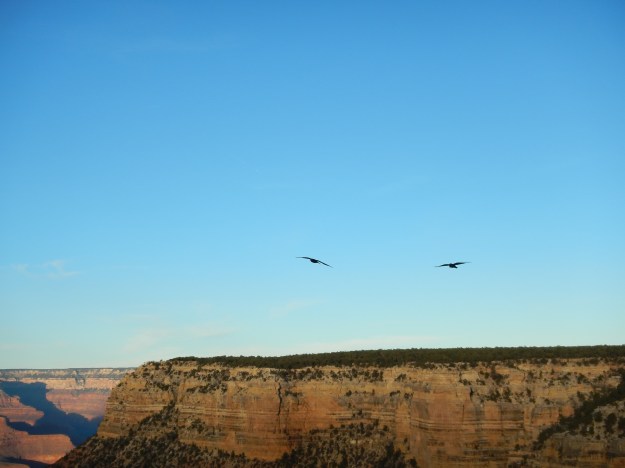
ravens over the Grand Canyon

ravens over the Grand Canyon

North Rim, 2018


* Because it was our actual anniversary and the Summer Solstice, I hoped to finish this article yesterday. My excuses for others:  It was hot and we went out to dinner. My excuse for myself: I was in an extended period of procrastination.

Spring Ephemera

Last Friday, on a tramp looking for invasive incised fumewort, I spied my first mayapples of the season.

The previous Sunday, on Theodore Roosevelt Island, I saw three spring ephemerals: common blue violets, cut-leaf toothwort, and–one of my favorites–spring beauty.

common blue violet (Viola sororia)

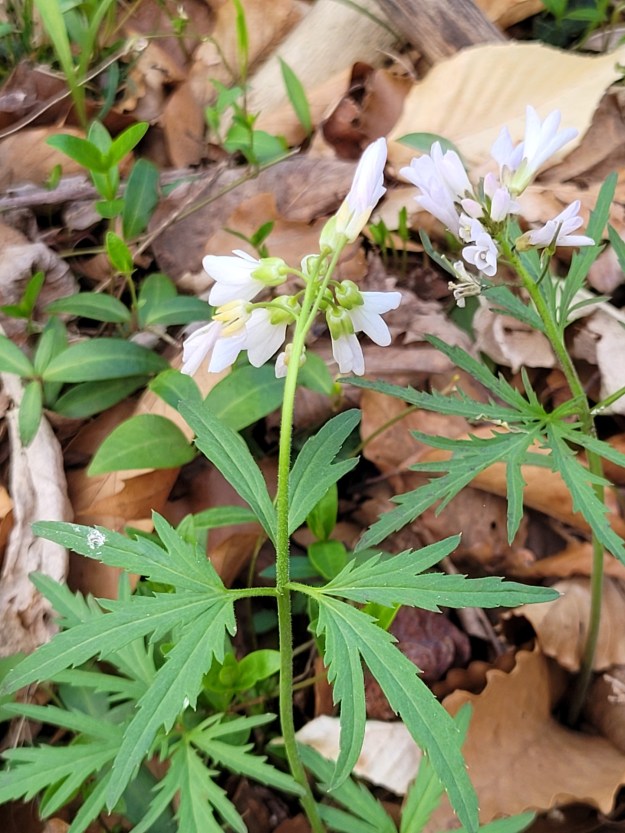
cutleaf toothwort (Cardamine concatenata)

spring beauty (Claytonia virginica)

On the island, people were walking, jogging, volunteering with the National Park Service (clearing out invasive plants and other activities in aid of the island’s health), birding, and other spring pursuits. Speaking of birding, on the upper trail in the middle of the island, one young woman shared her exciting find with me: a baby barred owl. I think maybe I finally saw the baby bird; I hope I did; I imagine I did.*

Just because I was having a hard time seeing them, does not mean that the owls and other birds were not in full springtime mode.  Throughout my walk around the island, the Carolina wrens were making an exuberant racket. Using my own limited knowledge and with the help of the Merlin app, I heard 16 species of birds:

  • Carolina wren
  • mourning dove
  • Northern cardinal
  • song sparrow
  • tufted titmouse
  • downy woodpecker
  • American crow
  • red-winged blackbird
  • swamp sparrow
  • American robin
  • common grackle
  • Canada goose
  • white-throated sparrow
  • cedar waxwing
  • Carolina chickadee
  • ruby-crowned kinglet

Speaking of birds: so far this spring at least four species of birds have visited our balcony: mourning doves, blue jays, sparrows, and one American crow. I think the mourning doves started visiting in February. Alone or with a partner, the doves walk along the railing planters and investigate the other pots scattered around. I think they do this with an eye to starting a family. They do seem to feel at home here, as I have observed them mating the last couple of years. As a result, each of the last two years a single egg has been laid in a pot and then abandoned by the doves. I am not sure why this happens  (mourning doves are not noted as particularly conscientious nesters), but I think if they did they would be sitting ducks for more aggressive birds.

Blue jays visit occasionally throughout the year and have been here several times recently.  The jays seem to like to keep a lookout on our space.  They sometimes plant the peanuts that they find somewhere, and generally mess up the dirt in our pots.  I love jays for their raucous, bold, blue, and beautiful ways–hold the presses!  Two minutes ago a blue jay came swooping in to inspect the coral bells that Tom planted in his planters twenty minutes ago.  They have their eyes on us.

Although they are very common in our urban neighborhood, this is the first year I remember sparrows flying up to our balcony.  These little visitors flit around so quickly, I am not sure what species they are. They may be invasive house sparrows, but I am not sure. Today, I put the binoculars in the living room so I can look closely next time before the sparrows fly away.

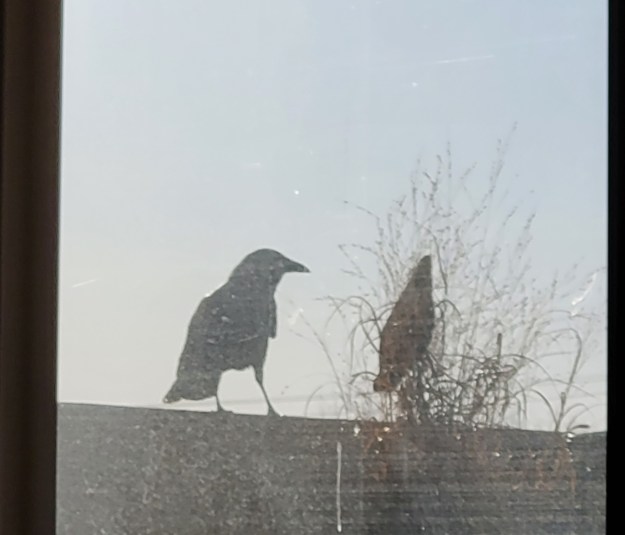
Three days ago an American crow flew onto the balcony railing. He or she peremptorily picked at the planter where I recently planted black-seeded Simpson lettuce and where mourning doves recently walked and blue jays recently snooped. Then the crow swooped right next to one (of two) black painted wooden crows we’ve had in every garden, since the 1990s, The crows seem to have their eyes on us, too, and–somehow–that comforts me.

American crow and wooden crow from Glen Arbor, MI with Virginia switchgrass

The Blues At several places on that most recent walk on T.R. Island, I encountered little blue butterflies. These “blues,” as they are called, are some of my favorite butterflies. I never  manage to get photos of them–they are so quick and erratic. When we meet, it’s  a flash of blue and an intense feeling of movement and light. In 2014 Tom and I were hiking on an upland forest trail in Great Basin National Park when we came upon hundreds of blues dancing in the bright dappled sun.  I think I took a photo, but, if I caught anything, it was moving sunlight.

These walks in dappled sun, these glimpses of spring beauties, these baby owls, these flashing wings of blue, help me keep the other blues at bay.


*I have been watching birds all my life and I have tried, fitfully, to be a birder for over 50 years, but I am still a novice. I have spotted many wonderful birds (e.g., vermilion flycatcher, American condor, cactus wren, etc.), but I have missed many more.

January 6, 2024

Happy New Year!

Good News Today, I took down the Christmas tree. Tom took the tree downstairs to the tree recycling dumpster.  I gathered up all the holiday paraphernalia into its big blue plastic bin and stowed it in our shed. Years ago, my parents would put up the tree only a few days before Christmas, but then keep it up until January 6. I think I keep to the January 6 routine because it gives me an opportunity to think about my mom and dad–a good idea on this cold, gray, and rainy afternoon. On this Epiphany, I am also enjoying thinking about Shakespeare’s Twelfth Night or What You Will, which is one of my favorite plays. Right now, I can just about laugh aloud thinking about Malvolio’s yellow cross-gartered stockings.

Twelfth Night

Yesterday, I planted a little pot of dill, some native southern sundrops (Oenotera fruticosa) and common golden alexanders (Zizia aurea). Good gardener that I am, I have a so-so record on successfully starting tiny seeds in winter. I keep planting as an act of faith that spring will come.

seeds of southern sundrops and dill

On Monday evening, my alma mater, the University of Michigan, will play in the football national championship (January 8, 2024). I hope my team wins, but I plan on enjoying the game whether we prevail or not.

my Michigan shirt

Other News Today, I remember the insurrection of January 6, 2021. I don’t remember this as  just a news item. I remember this as a personal assault. I may live across the Potomac River from D.C., but, still, this was an attack on my city, my government, and my beloved country. Three years ago my (formerly) robust political and social idealism sustained a wound that has not yet fully healed. Enough of that for now.  What am I–at 74 years old–to do this year? I will vote, I will sign petitions, I will write, and I will support those who would protect our civil society, our Constitution, and justice for all people. Also, I will continue to understand that if someone tells me that the sky is green and the grass is blue, reality will let me know that the sky remains blue and the grass green.  I wish you all a good year.

black walnut, Ft. C.F. Smith, Arlington, Virginia (where the sky is blue and the grass is green)


More Clouds

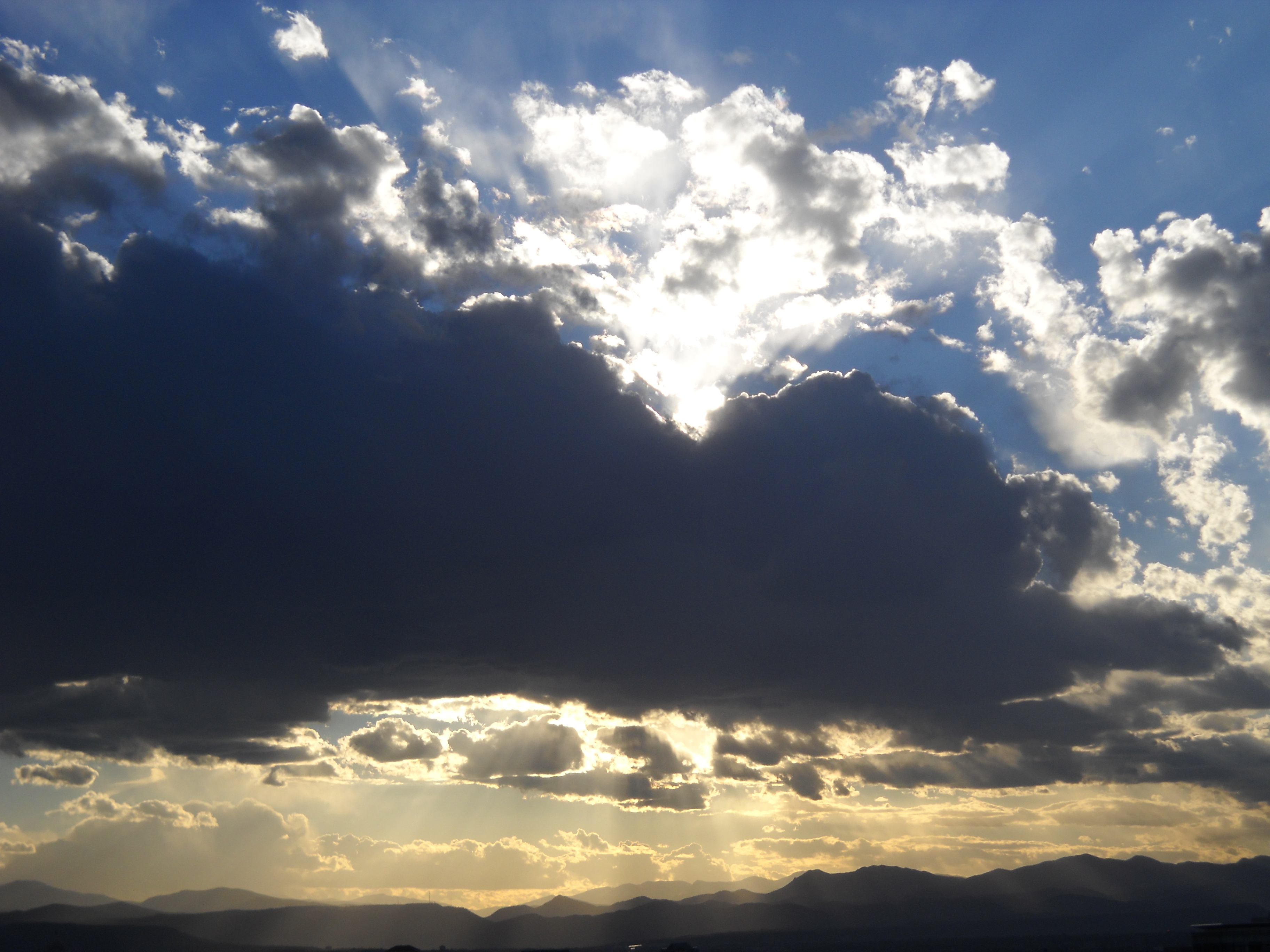
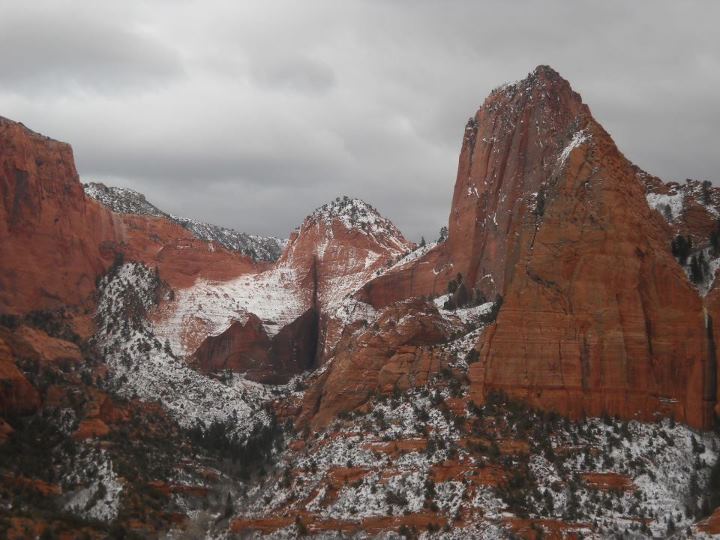
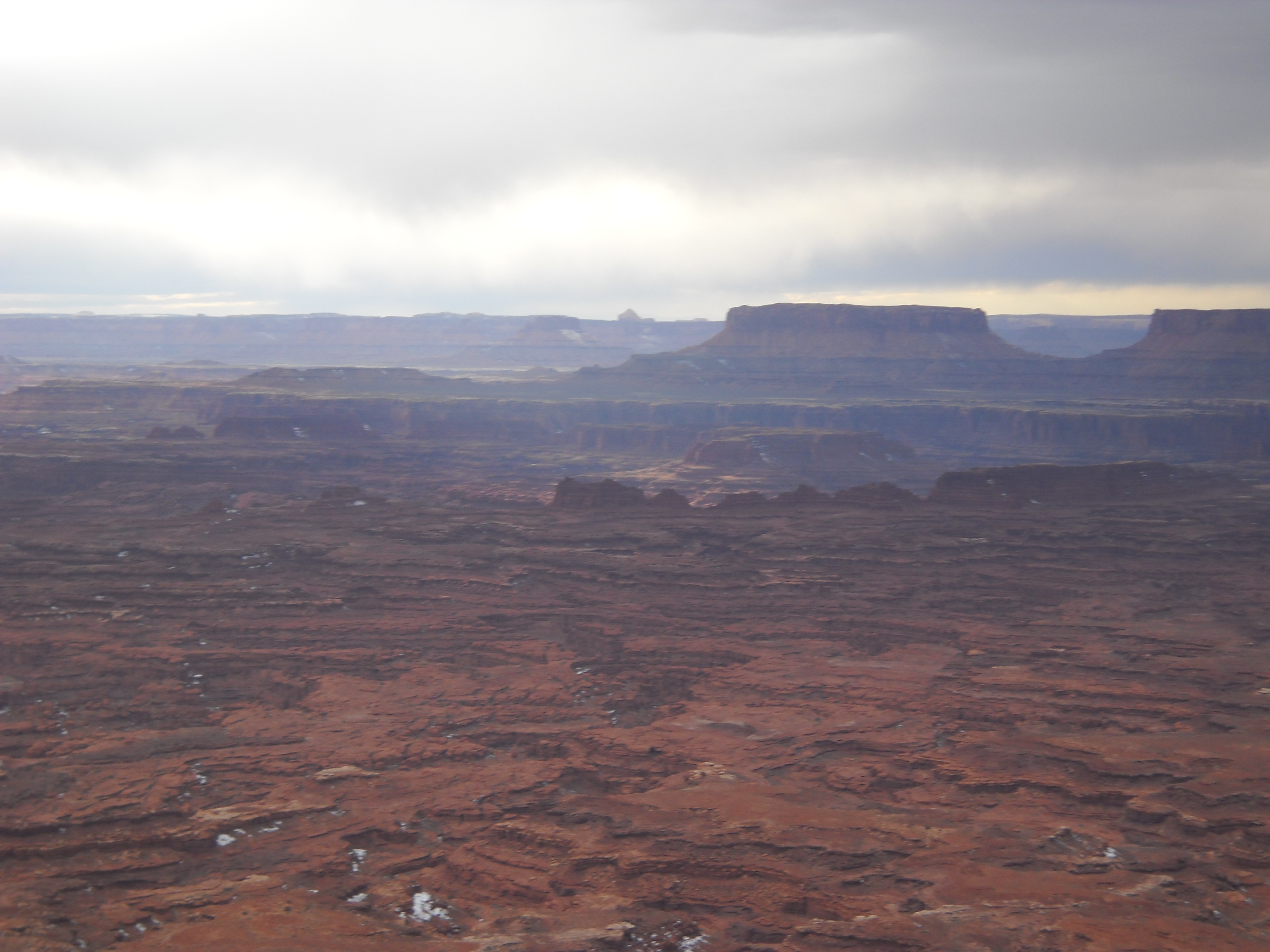
Last week when I was writing the article about my salad days and Joni Mitchell, I looked at some cloud photos I’ve taken. Below are several of my favorites.

Front Range late afternoon, Denver, Colorado, April 2012
Kolob Canyons, Zion National Park, Utah, February 2013
The Needles Overlook, Canyonlands, Utah, March 2013
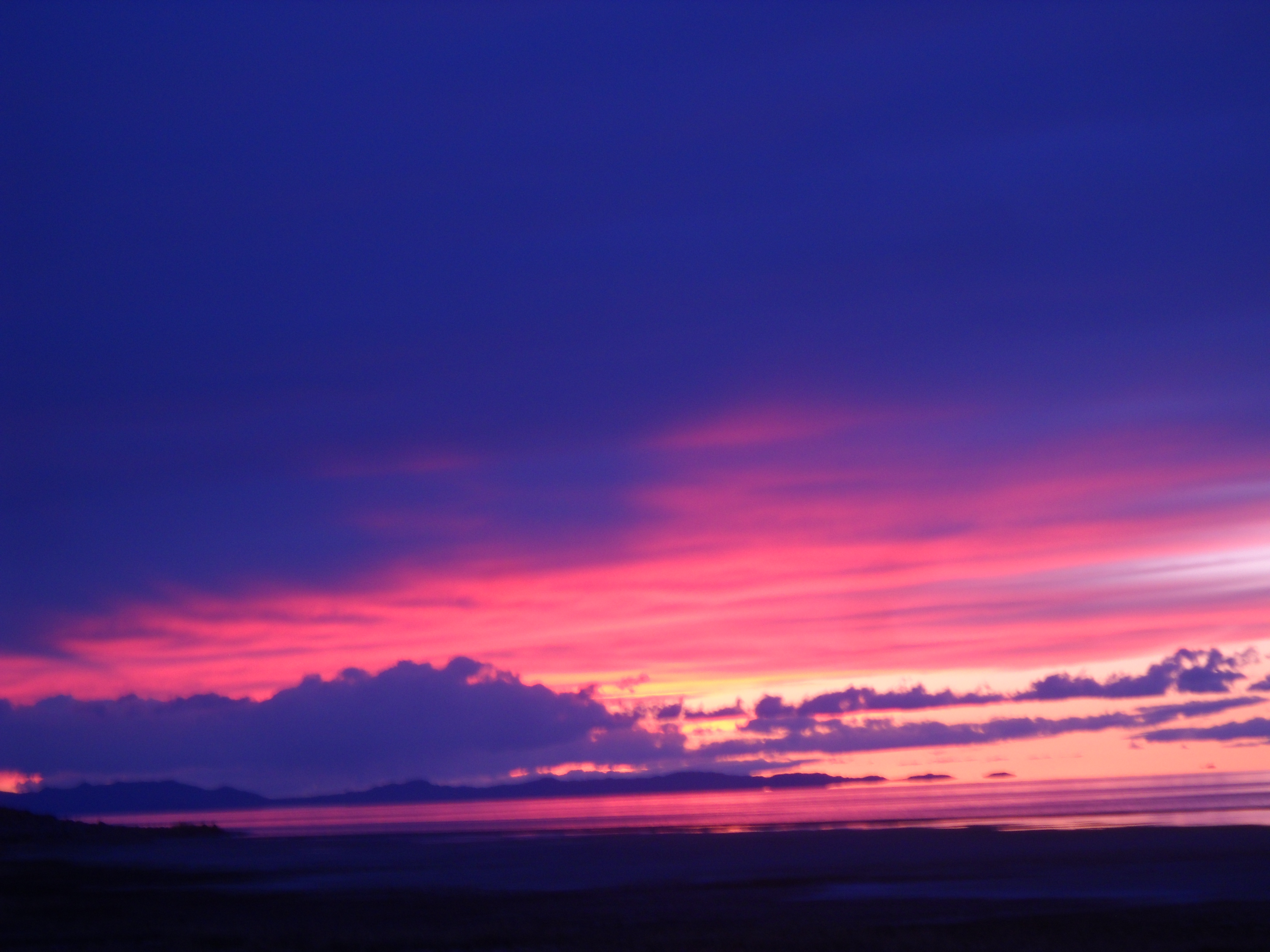
Sunset, Antelope Island State Park, Great Salt Lake, April 2013
Sangre de Cristo Mountains, Great Sand Dunes National Park, Colorado, April 2013
Pawnee Buttes, Pawnee National Grassland, Colorado, August 2015
Union Bay, Lake Superior, Ontonagon, Michigan, September 2018
Mathews Arm Campground, Shenandoah National Park, Virginia, September 2020
Bartholdi Fountain, Bartholdi Garden, Washington, DC, August 2021
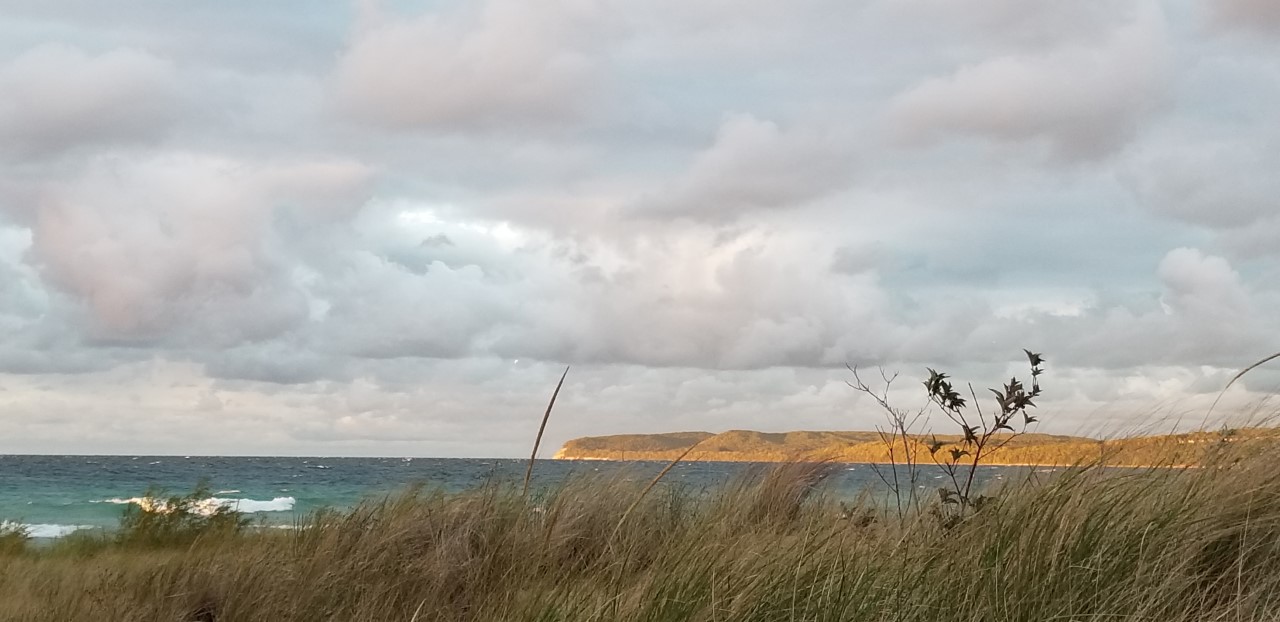
Sleeping Bear National Lakeshore, September 2021
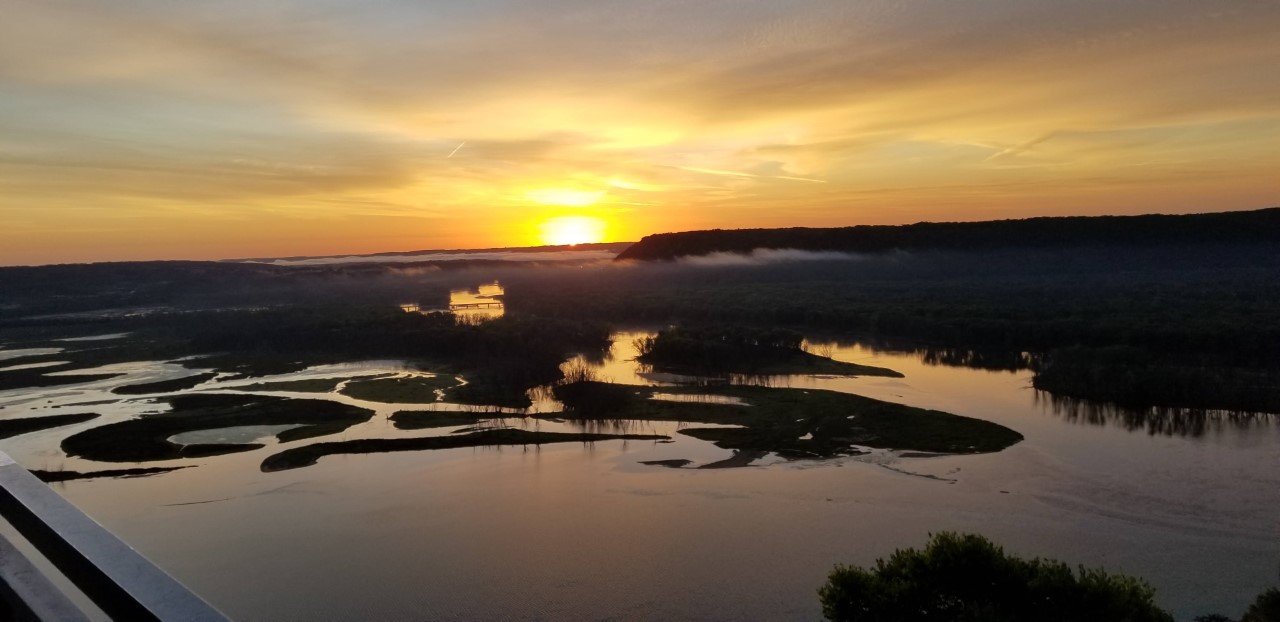
dawn Upper Mississippi River, Pikes Peak State Park, Iowa, September 2021
from the grounds of the Netherlands Carillon, Arlington, Virginia, May 5, 2022

Spring 2022

I find myself thinking of the other two springs of our pandemic (e.g., the last trip to the museum in March 2020, the relief with the second vaccination in March 2021). Now, I think about war and children, family and friends–many here and some gone away. Some mornings, I find it hard to get out of bed. This week, however, I can still blame it on the recent change to Daylight Savings Time. I do, by the way, get out of bed–usually by 6:15 A.M. or earlier. I have my coffee and toast with peanut butter and banana, I do my old person stretches as the sun rises, and then I try to do useful things through the day. Generally, the more I do, the better the days are. Now that the weather is warming and the daylight is increasing, I feel more hopeful–in spite of the loneliness of missing far away family and friends, sickness, war, and social strife. I think I am feeling more happy because it is spring in this still beautiful world. Happy Spring!

arugula seedlings
crane-fly orchid, Piscataway Park, Maryland
pear tree and fence, National Colonial Farm at Piscataway Park
Potomac River at Piscataway Park, March 2022
lobelia on our balcony
cherry blossoms and branch, Tidal Basin, March 22, 2022
morning, Tidal Basin, March 22, 2022
Martin Luther King, Jr. Memorial, March 22, 2022

U.P., Up, and Away

the view from our campsite on Lake Superior, Ontonagon Township, Michigan

Tom and I have been taking road trips together since 1971: fifty years in and we still love them. We went on another road trip from September 1 to October 2, 2021. This trip could be fairly summarized as: nine family members, three great lakes, two pleasant peninsulas, fourteen states, and 4,500 miles. Also, Tom and I went on six hikes where no one shared our trail;  we saw old growth trees including giant, healthy eastern hemlocks and hundred foot birches, and we learned to love the bluffs of the upper Mississippi and the river itself.  Our trip was balm to our societal-disintegrated and pandemic-battered minds, souls, and bodies. We mostly took short 3 to 5 mile hikes, punctuated with longer hikes (11+ miles at Sleeping Bear). Still, I was happy to see that my hiker’s leg muscles came back.

Sleeping Bear National Lakeshore

eastern hemlock, Porcupine Mountains Wilderness State Park, Michigan

I have other photos (see below) and stories: happy times visiting brothers and sisters-in-law and nieces and great-nieces; plus eating those delicious camp meals again–hummus, chips, carrots, local sausage, and Amy’s chili. Once we got to the Upper Peninsula, we left the poison ivy behind and found ferns, flowers, and fungus galore. On part of the journey, Tom and I traveled along the Great River Road along the Mississippi River. We had never heard of this road and, now, we have another part of the country to love. A young bald eagle soared near us as we stood on the bluffs above the Mississippi River at the Effigy Mounds National Monument.

dawn, Upper Mississippi River

Other Parts of the Journey Tom and I–fully vaccinated since March–both contracted the Delta variant, probably somewhere in the Upper Peninsula.  Also, three of our loved ones died. This trip, even with its aftermath of illness, death, and mourning was fabulous.  My major struggle lately has been trying to write the words about the ones who have gone away.

Randi Tom and I camped in Pike’s Peak State Park in Clayton County, Iowa for three nights. Yes, this Pike’s Peak was also named for Zebulon Pike who explored the upper Mississippi and the Rocky Mountains in the early 1800s. The park was an unexpectedly lovely oasis and one of the highlights of our trip.  On the first afternoon at Pike’s Peak, we pitched our tent and headed out for a walk. We headed to a lookout point high above the Mississippi. We took a hike to see (and to feel) the Bear Mound (a ceremonial burial site constructed by indigenous people of an earlier time) and to take a look at the Bridal Veil Falls. All of it: the forest and the sun and the clear air and the whiff of fall caught us up into a perfect afternoon.  Chinkapin oaks and hickories and butternuts had already been dropping their acorns and nuts. Hearty and vigorous squirrels crashed through fallen leaves with, it seemed, some delight. I had a strong vision of Randi (our daughter Sarah and son-in-law Mike’s dog) and how she would love this forest.  Randi, a beagle/basset, likes nothing more than smelling squirrels, barking much louder than her weight class.  I didn’t say chasing squirrels: Randi just loves smelling the squirrely trails; she doesn’t need the squirrels themselves. I thought of Randi at least twice on that walk and mentioned to Tom how Randi would love this high forest near the great river.  The next day an early morning text came from Sarah. Randi, who had been suffering with late stage kidney disease had died.  Through tears, I told Sarah about the prior day’s thoughts about Randi in the forest. The sun and air had been special–as it can be in a cathedral forest. Sarah and I agreed; maybe before Randi left this particular reality, we think maybe she stopped by to share our perfect afternoon.  What do I know? I am an old woman crying in a Panera as I write this.  One thing I am pretty sure of is that all dogs go to heaven.*

Randi visiting us December 2019

Randi visiting us December 2019

Will I didn’t know Will Bagley very well, but I did love and do love him. Will married my lifelong friend, Laura in 2003.** A few years after that, I was going to be conducting professional development workshops for adult English as a second language (ESL) teachers somewhere in the west–maybe Montana. I can’t remember.  What I do remember is that I had a stopover in Salt Lake City where Laura and Will lived.  They said they would pick me up at the airport and drive me down to Zion National Park. I was exhausted from my workshops and I slept part of the way.  We reached Springdale in the dark of the night and I woke in the morning surrounded by my old friend Laura, my new friend Will, and my red rock refuge for the first time in twenty years.  We three walked and talked and I bought a pair of socks at the Zion Lodge gift shop. I haven’t been able to throw away these worn-out holey socks because they remind me of friendship, love, and refuge.

Paraphrasing Wilbur from Charlotte’s Web: It is not often that someone comes along who is a true friend and a good writer. Will was both.
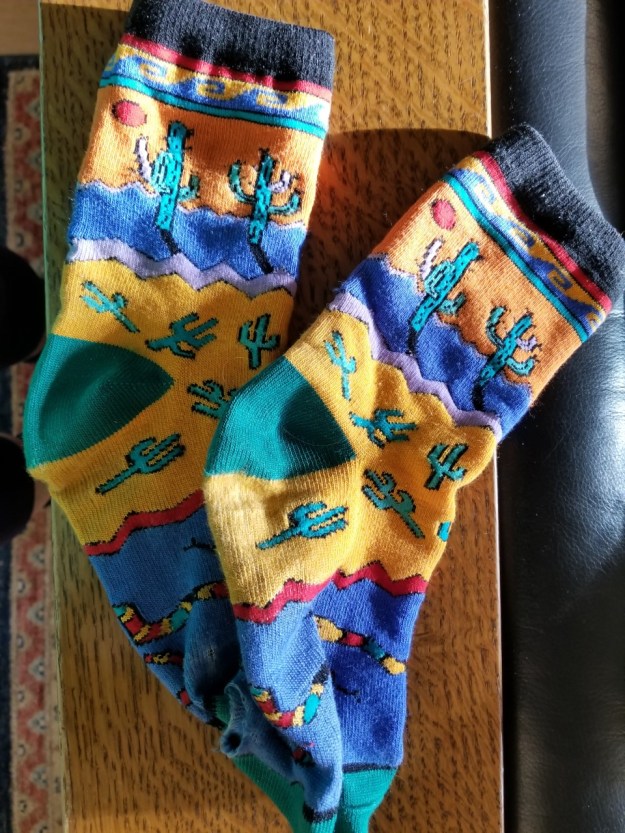
desert socks from Zion National Park

Tom and I got back to Arlington on October 2.  In Arlington we tested positive for Covid-19, which was no surprise.  In the latter half of September, I had felt like I had the flu with a little cough and aches and chills. At first, it was a little difficult to tell what I had because we were tent camping and a few aches and chills go with the territory. Tom followed with similar symptoms. A couple of day after we got home, we got the call that my brother Dan had died of Alzheimer’s disease.

Dan I have a lifetime of memories of Dan: from early years in Detroit and Milford to the middle years in Ann Arbor, Dodge City, Kansas and Lemoyne, Pennslyvania to the later years on our Deep Creek family reunion weekends. For all his brilliance–and he shone brightly with style and grace and rock and roll songs or poetry ever on his lips–it is Dan’s kindness I remember most. Circa 1970, when Dan and his wife Jeanne lived in Ypsilanti they watched over the baby sister–me–eight miles away in Ann Arbor. They hosted my 21st birthday party in their small apartment. A few years later, Dan and Jeanne’s home in Dodge City was my beacon as I crisscrossed the country between Michigan and the Intermountain West. I could go on, but I I don’t know if I can trust my own words to do justice to this good brother. A couple of months ago, on this blog, I dedicated Dylan Thomas’ Fern Hill to Dan. While not exactly a prince of our apple town, he was the fair-haired and bold youth with the golden ’36 Ford with the corvette engine.  Enough. Let Wordsworth’s Tintern Abbey say the words.

These beauteous forms,
Through a long absence, have not been to me
As is a landscape to a blind man’s eye:
But oft, in lonely rooms, and ‘mid the din
Of towns and cities, I have owed to them,
In hours of weariness, sensations sweet,
Felt in the blood, and felt along the heart;
And passing even into my purer mind
With tranquil restoration:—feelings too
Of unremembered pleasure: such, perhaps,
As have no slight or trivial influence
On that best portion of a good man’s life,
His little, nameless, unremembered, acts
Of kindness and of love. Nor less, I trust,
To them I may have owed another gift,
Of aspect more sublime; that blessed mood,
In which the burthen of the mystery,
In which the heavy and the weary weight
Of all this unintelligible world,
Is lightened:—that serene and blessed mood,
In which the affections gently lead us on,—
Until, the breath of this corporeal frame
And even the motion of our human blood
Almost suspended, we are laid asleep
In body, and become a living soul:
While with an eye made quiet by the power
Of harmony, and the deep power of joy,
We see into the life of things.


*Maybe you caught it: I wasn’t quite able to write all of Randi’s verbs in past tense. Not yet.

**Laura is not exactly a “lifelong” but since our teaching fellow days beginning in 1973; close enough.


Lake Superior, Ontonagon, Michigan
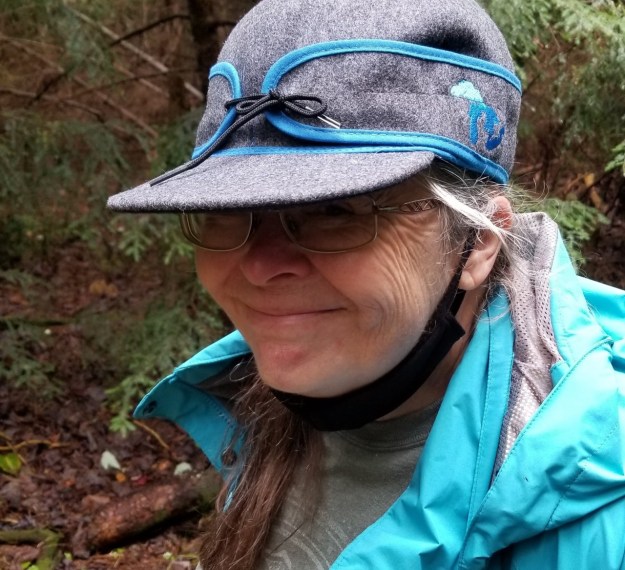
Lake Superior, Ontonagon, Michigan

in the Upper Peninsula

in the Upper Peninsula

yellow patches (Amanita flaoconia?) near Cascade Falls, Ottawa National Forest
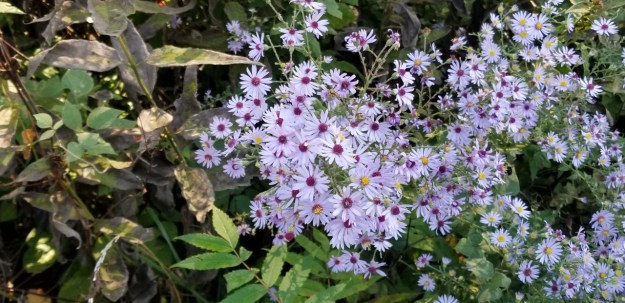
yellow patches (Amanita flaoconia?) near Cascade Falls, Ottawa National Forest

asters, Wyalusing State Park, Wisconsin


Winter 2021

I started this article a week ago during Arlington’s small bout of snow and ice.  I couldn’t seem to figure out how to effectively reconcile my homebound (from weather and pandemic) current self with younger versions of me who always loved to be out in the snow and ice. I didn’t want to have to find the words for all those winter feelings I didn’t feel this year. (See Winter: January 1, 2019 for some of my words about winter). Today, I realize that I don’t need to dig for those words and feelings anymore. I have received my first Covid-19 vaccination, I have walked five miles today, buds are plumping up on the witch hazel in Hillside Park, and spring is coming soon.  Before spring arrives in earnest, I want to share some words and photos about my favorite refuge during this winter of our pandemic and social disunion.

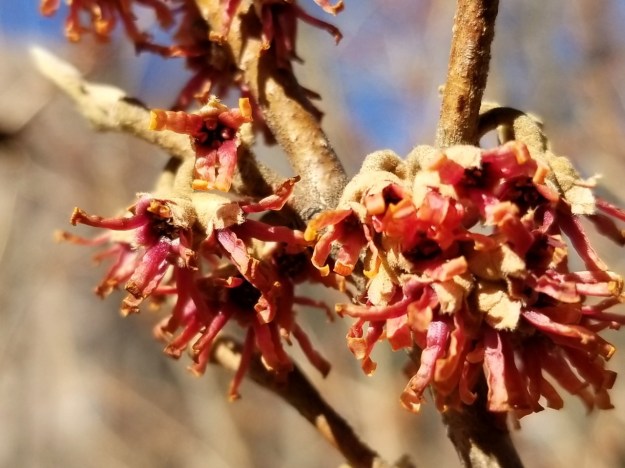
witch hazel, Hillside Park, Arlington, Virginia

This winter, I have been walking often on Theodore Roosevelt Island, which is 0.8 miles from our condo.  It’s not the ponderosas on the North Rim or the slickrock in Canyonlands, but I do love this tiny little bit of the national park system, just as I love the other parks.

While TR Island is only 88.5 acres, heavily visited (over 160,000 people visit yearly), and cheek by jowl with our hyper-urban Rosslyn, Arlington neighborhood, when I am on the island I find respite from this distressing time. I would have thought that walking here on this island–a little over a stone’s throw across the water from the Kennedy Center–would be much different from walking on the North Rim or in Canyonlands, but, somehow, it feels much the same. I glimpse a red-bellied woodpecker, I see the mallards paddle around the marsh, and I marvel at the fungus on the stump. I want to hug the beech trees. The underbrush all mixed together with water, snow, and leaves reminds me of the lakes of my childhood. I find solitude on the island’s Upland Trail. Seeing the Paul Manship statue of Theodore Roosevelt lifts my spirits.  None of the U.S. presidents have been without flaws, but, still, on every trip to the island, seeing the statue, of Theodore Roosevelt, who signed the Antiquities Act of 1906, eased some of my pain related to the presidency of Donald Trump. Time after time in these last months, while my mind and heart were filled with worry and sadness, my feet headed toward the island where my body, mind, and heart revived.

I keep meaning to go to the island early in the day with my binoculars. I want to sit on a bench on the boardwalk and listen to and watch the birds. I think I will go next week. Soon enough, I will be hearing the frogs.


sycamore along the river

mallards, theodore Roosevelt Island

forest floor, Theodore Roosevelt Island

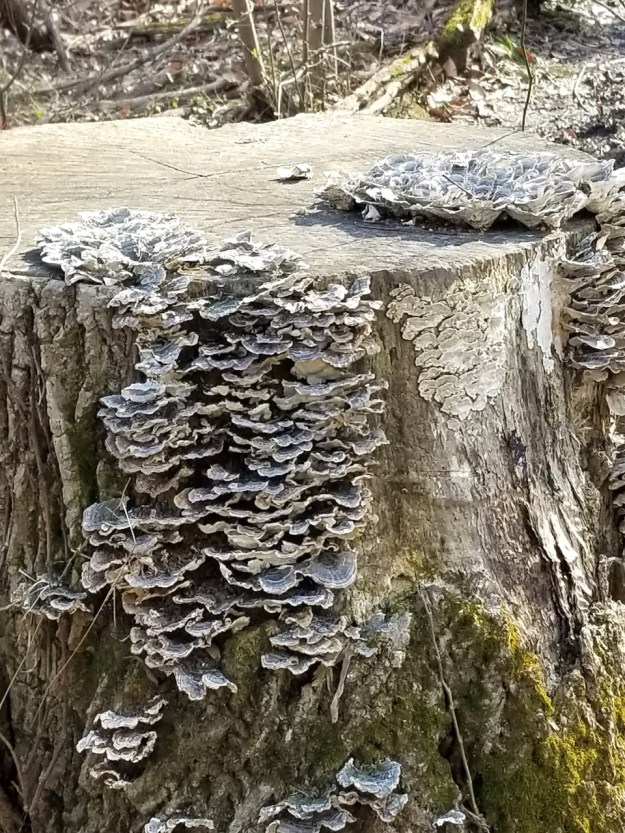
stump and fungus, Theodore Roosevelt Island

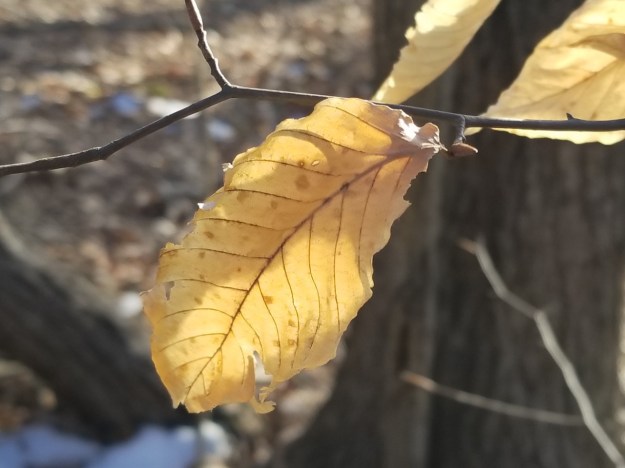
beech leaf, Theodore Roosevelt Island

leaves and log with snow, Theodore Roosevelt Island

marsh, Theodore Roosevelt Island`

Theodore Roosevelt statue, Theodore Roosevelt Island


I hope you are vaccinated or will be soon. I hope you will be able to visit loved ones soon. I hope spring will come soon for us all.


Going to Zion

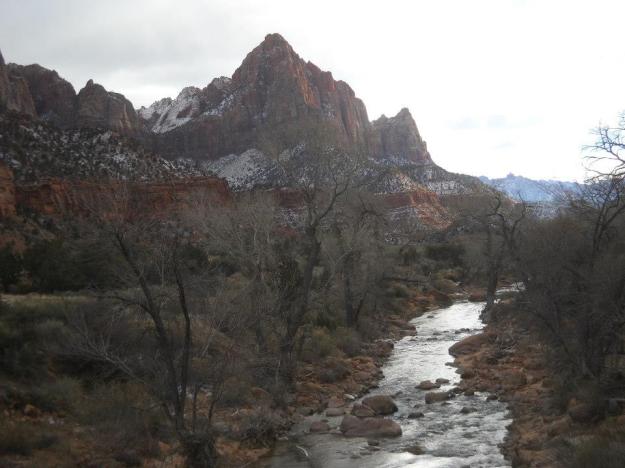
View from the Watchman Trail

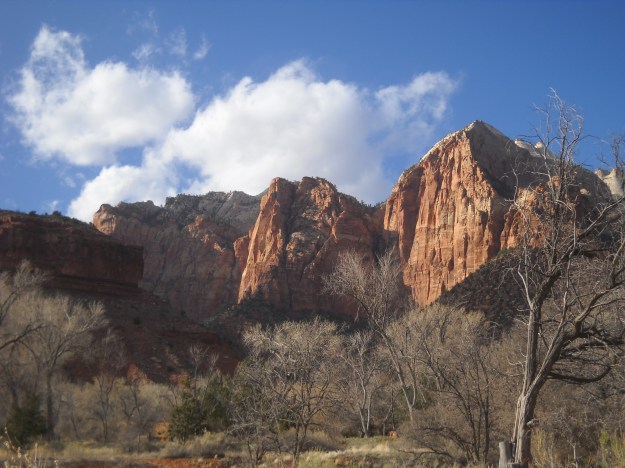
View of West Temple from the Watchman Trail

On this last day of 2020–this annus horribilis that we have struggled through–I find myself looking backward.  I do not want this year to end without celebrating the occasion of my finding my way to Zion National Park fifty years ago.  Those of you who have been reading this blog for the last nine years may recall that I make fairly regular references to Zion in my posts (see, for example, Staircase to Heaven,Part 5: Words).  Many who know me personally know my abiding love for this place. I love Zion, not only because of its adjective-defying beauty, but because of the peaceful, happy, and worry-free season it afforded me in the spring and summer of 1970.  I could use another such season now, but I think the memories will be almost enough.

Why I went to Zion and how I got there*

In the spring of 1970 I signed on for summer work in Zion National Park in Southwestern Utah. This was fifty years ago, and Zion was not the trendy park it is now; it was more like the back of beyond. I was tired of my local summer job at Camp Dearborn in Milford, Michigan. Also, I had been fired up about environmental issues and the west by, among others, my young zoology lab instructor from Teton Country Wyoming. I had never been farther west than the eastern shore of Lake Michigan and I knew nothing about Utah. So, I went to the undergrad library at my college and I found and then was mesmerized by Wallace Stegner’s Mormon Country. Before I knew it, I was spending the summer in Zion Canyon. I can say that summer and (mostly)** ever since, just being in Zion makes me happy and as close to content as I have been so far in this life.

In April 1970 I flew from Detroit to Omaha, Nebraska. I somehow found my way to the train station where I boarded a train bound for Las Vegas. I was decked out in, I think this is true, a suit and a raincoat and, as enjoined by my mother, I had an iron grip on my purse. I immediately met another girl, Pat, similarly attired and gripping her purse. Pat went to my college and was also heading out west to spend the summer working in Zion National Park. As it turned out, she hailed from Walled Lake, a little town seven miles from Milford. This must have been the summer for small town mid-western girls to head out into the wilderness.

I hired on as–what was called then–a salad girl and Pat hired on as a cashier at Zion Inn, inside Zion National Park. Our train ride was free because the company that employed us, Utah Parks Company, was a subsidiary company of the Union Pacific Railroad Company. Of course, I never forgot the ride. The trip was long, cold (we had only our raincoats as covers), and somewhat sparse in meals (they were pricey for our budgets, but I still remember the dining car). Otherwise, the ride was transformational. All that land I had been reading about and watching on Bonanza was becoming real.

After a while, maybe a day and a half, I can’t remember, we ended up in Las Vegas. I am chagrined to notice that I am forgetting some of the particulars, but I think we found the bus that was to take us to Cedar City, Utah, where we would be met by a man with the unlikely name of LeMar Snyder. (Note: This only seemed like an unlikely name until I became familiar with a traditional Mormon naming convention—they seemed to like adding prefixes to both male and female names. Tom told me that families sometimes took part of the father’s name and part of the mother’s name and to make up the new name. I don’t know the provenance of LeMar’s name). However it happened, Pat and I did come to find LeMar, a big comfortable sort of man, who drove us to Zion where we were going to work at the inn, now gone these many years (Not really gone, the wood-and-sandstone building is now used by the U.S. Park Service). I don’t know what I was expecting, but Zion in all ways surpassed my preconceptions.

I had been going to parks all my life—municipal parks, state parks, national forests, and even Shenandoah National Park (my only national park before Zion)— but they had not prepared me for my first view of Zion Canyon. Inside the canyon, I was almost surrounded by red, grey, white, green, and black rock walls up to two thousand feet tall. An apparently inconsequential (to my eye) but restive river, the Virgin, flowed through the canyon. The narrow canyon was filled with grass, cottonwoods, many kinds of desert plants, birds and lizards, rocks and sand in an abundant jumble. On my first day off work, I walked from the inn, near the mouth of the canyon, to the end of the road about six miles to the Temple of Sinawava and back. I think this walk took me all day, and my jaw must have gotten tired because I was open-mouthed at the magnitude of everything as well as the unfamiliar beauty. I stayed in Zion from April to July, and I never got over the feeling of awe.

What I did there

My first actual Zion hike was on the short, moderate Watchman trail that started close to the campground near the inn. I had been on trails before at state and local parks in Michigan, but I didn’t know what to expect from a trail in a national park in the west. (Note: I checked online and the Zion National Park website claims that the Watchman hike is 2.7 miles round trip and climbs 368 feet.) I must have started out in the early afternoon after my morning shift. I was surprised how wide and well maintained the trail was. I think I was expecting a trail where moccasins could tread quietly and carefully single file—not a freeway for tourists to huff and puff up in expansive style. The trail followed the contours of a small side canyon— first heading east toward the cliffs and then back westward—for a view of the canyon floor and the little town of Springdale. After I got to that overlook point, finding the trail onward was more difficult. Here the trail was more like my single file ideal. In fact, sometimes I was a bit confused about where the trail was and where it was leading.

I took the trail upward and back eastward toward the cliffs and followed it as it continued around again onward skirting around the small side canyon. It seemed like (and maybe was) hours later my path stopped dead at the sheer cliff face of the Watchman itself. It was beginning to occur to me that I might possibly have made a wrong turn somewhere. I turned around and tried to retrace my steps. This was not so easy because there were faint trails crisscrossing everywhere. It had been dawning on me for some time that I might not be following human trails, but those of deer or other animals. Luckily, my general destination was clear: to wend my way back from where I had come along the canyon walls and scree. I did this and I finally found myself back at the overlook, where I now understood the human trail ended. I had been somewhat scared at my inadvertent bushwhacking to the sandstone ramparts of the Watchman, but I was also exhilarated at my small adventure. There was no time to waste in reflection for it was getting dark and I didn’t have a flashlight. Thinking back, I hope that I had been smart enough to have acquired a canteen by this point. I headed quickly down the now-wide trail. A bobcat crossed the trail very close in front of me trotting purposefully somewhere. Then and now, I read this as some sort of minor miracle or at least a benediction. I was a fool who had almost gotten into serious trouble, but, instead, some deep magic crossed my path.

The Watchman and the Virgin River

Any chance we got, Pat and I went hiking together. We hiked the Virgin Narrows, the Kolob Canyons, the West Rim Trail, and even Grafton***, the little ghost town below Zion that was featured in Butch Cassidy and the Sundance Kid.

Kolob Canyons, Zion National Park

Kolob Canyons, Zion National Park

Note: It is already December 31, 2020. and I want to finish this before the anniversary year ends. I have so many words already, but there is so much more I want to say about this season of grace. I will tell you a couple more stories and then be done for now.

Time passed and farewell

I needed to go back to Michigan before the end of the summer to be maid of honor for my friend Priscilla’s wedding. That was going to be exciting, but it was hard to leave Zion. For one thing, Pat and I were taking Senior Lifesaving at the Zion Lodge Pool but, luckily, the examination was scheduled for the day before I had to leave. If you’ve been to Zion Lodge in the last many years, you are probably saying what is she talking about, there’s no swimming pool in the canyon. Not now, but back in the 1970s there was a pool situated where the Zion Lodge lawn is now. The lifeguard at the lodge decided to offer a lifesaving class, so Pat and I would hitchhike the three miles from the inn to the lodge for instruction and to practice. The experience of swimming in Zion Canyon is worth recalling. We would swim round and round in the small pool surrounded on all sides by red Navajo sandstone cliffs and with the almost unbelievably blue skies—a dome of heaven—above.

It was already getting dark when Pat and I passed our swimming exams at the lodge. When we got back to the inn, we were whisked away somewhere outside for a going-away party for me. I remember three details about the food we ate. After I had asked for a well-done hamburger, one of my Mormon friends said he knew why I didn’t like rare meat. He said it’s because you are so civilized. Maybe yes and maybe no, but I appreciate the thought. In fact, the comment and the party highlight the civility and the hospitality that the people down there in Southern Utah showed to us and which I have never forgotten. We drank root beer—homemade for the party—and we ate Mrs. Cope’s spudnuts. She was a baker for Utah Parks Company and the mother of one of my friends. As Zion is to a municipal park, so Mrs. Cope’s spudnuts were to commercially produced donuts.

What I’m trying to say: I was entranced by the stories told by the older people I met at Zion. I met people whose own parents knew Butch Cassidy. There was my supervisor in the pantry, Mary, whose family—if I am remembering this right—had run cattle in what is now Bryce National Park. There was Chef Brown, who’d been a cook on the Union Pacific when doing that was really something. The people in Zion were hospitable in a way that seems uncommon these days. In that canyon and during that summer it was like I had fallen into an earlier time—a time my father would have understood. Plenty of the hospitable people that summer weren’t Mormons. Some were Jack Mormons, some were other locals, and some were outlanders drawn to this land. I want to sound grave and respectful here, but I think I might be babbling. Thank you for your part in my happiest summer (so far). Thank you for the spudnuts. Thank you, Zion.

A wish: May we all have more  beauty, peace, hospitality, grace, and deep magic in the new year. Thank you for listening and Happy New Year.

Zion Canyon

Zion Canyon

The Altar of Sacrifice, Zion Canyon

Virgin River beach

Virgin River beach

Zion near the East Entrance

Zion near the East Entrance

Entering Zion Wilderness, Coalpits Wash

Entering Zion Wilderness, Coalpits Wash


*(Some of these words are adapted from Losing It: Deconstructing a Life, unpublished work © Lynda Terrill, all rights reserved)

**The crowds almost everywhere in Zion these last years discomfit me.  An important element of being in Zion was the feeling of peace, quiet, and of being in a back of beyond sanctuary. I do not feel that much now.

*** I haven’t been back to Grafton since 1970.  I understand that the town may be a destination spot these days.  When Pat and I visited, it was an empty, overgrown actual ghost town.

The News I Need

I started  compulsively reading The Washington Post online the morning of September 11, 2001 in my office in Northwest Washington, D.C. After the attacks there were the anthrax letters and the snipers. My office was only a few miles from my home, but it was across the Potomac River. I used to fantasize about how –if Chain Bridge were blown up–I could swim across.  I didn’t need to resort to that and things returned to an uncomfortable new normal.

The last few days, I have been reading the  paper compulsively again. Sure enough, almost every time I log on, there is a new red (or sometimes black) breaking news banner. I am resolving to control myself. Tom and I plan on going camping tomorrow.

The News I Need Today

Although people will not be able to see it for awhile (the Smithsonian Institution is closing for now), there is a lovely exhibit at the Smithsonian American Art Museum: Chiura Obata: American Modern. Obata’s art and his words are the news I need today. Please be well.

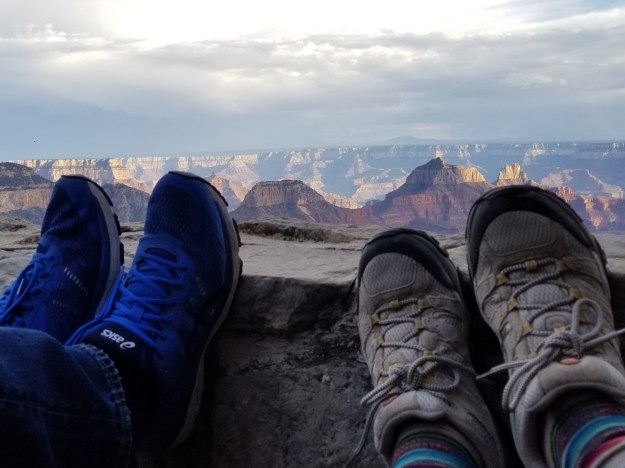
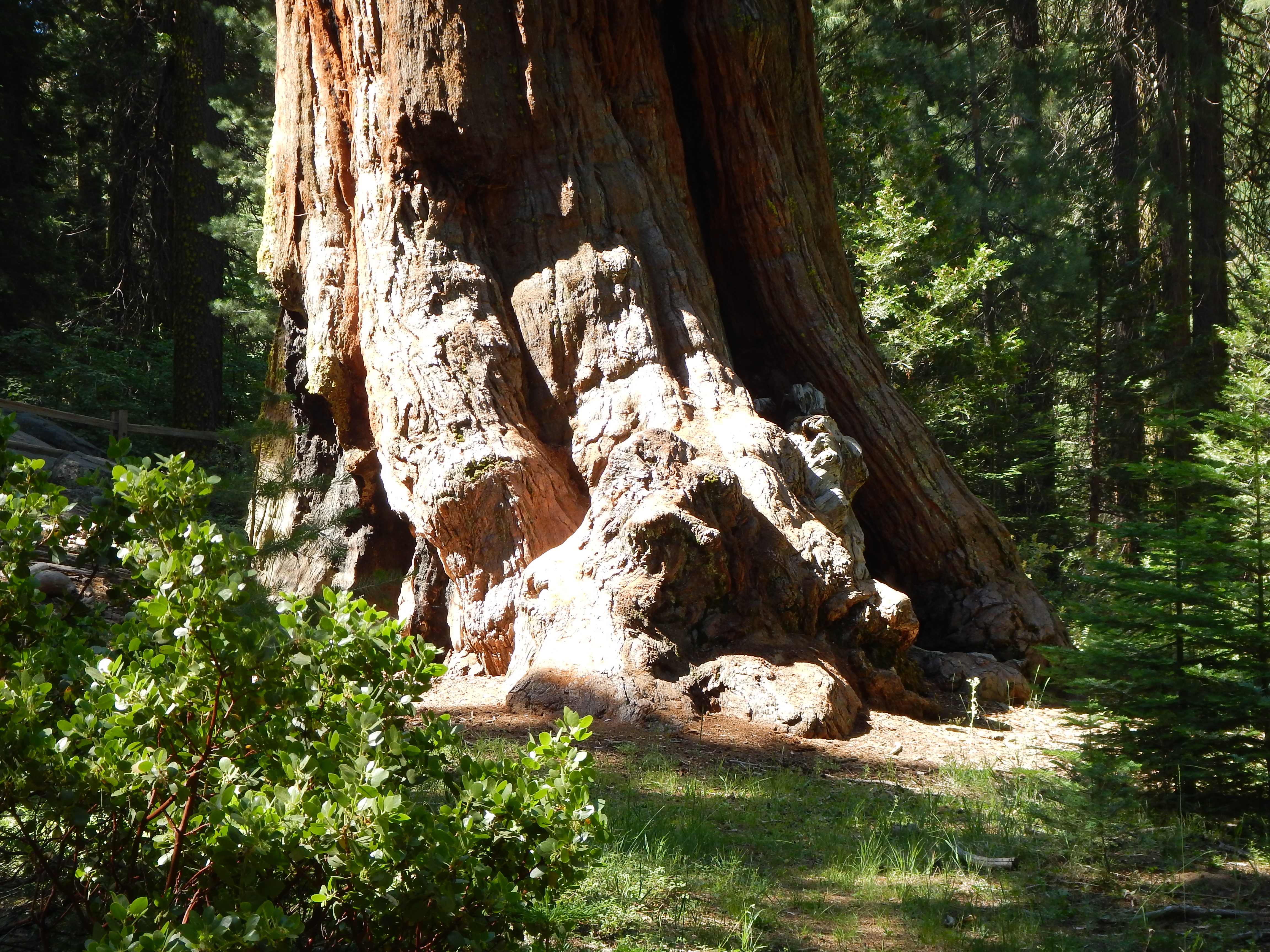
Sequoia feet

Sequoia feet