Category Archives: environment

Data Points in My Life

In my September 2025 post, I noted that my mind was full of unruly ideas waiting to form themselves into a reasonably cogent article.* Two months later, that still hasn’t happened. I think I might reasonably throw some blame on the challenging times.**  Instead, I am going back to the fundamental premise of this blog: eschewing grand belief systems, in favor of concentrating on smaller things, on trying to be closer to the ground (both in metaphor and in fact). So, with no essay in mind, I am falling back to a tool of education and other disciplines: the bulleted list.

  • Speaking of smaller things, closer to the ground, I fear that oak leaf gall mites (Pyemotes herfsi) have it in for me. Since the summer of 2023, I have been prey to sporadic seasonable bouts of small, itchy, painful rashes that look like the work of oak leaf gall (or itch) mites. I am not sure that the oak leaf gall mites are the culprits, but, my  brief investigation leads me to think so. As an amateur (wannabe, at least) naturalist, I spend an inordinate amount of time poking around in nearby woods. Four of my favorite local parks have plenty of oak trees. I am happy about this as I love oak trees (see Old Growth), but I going to have to suit up more carefully next season.
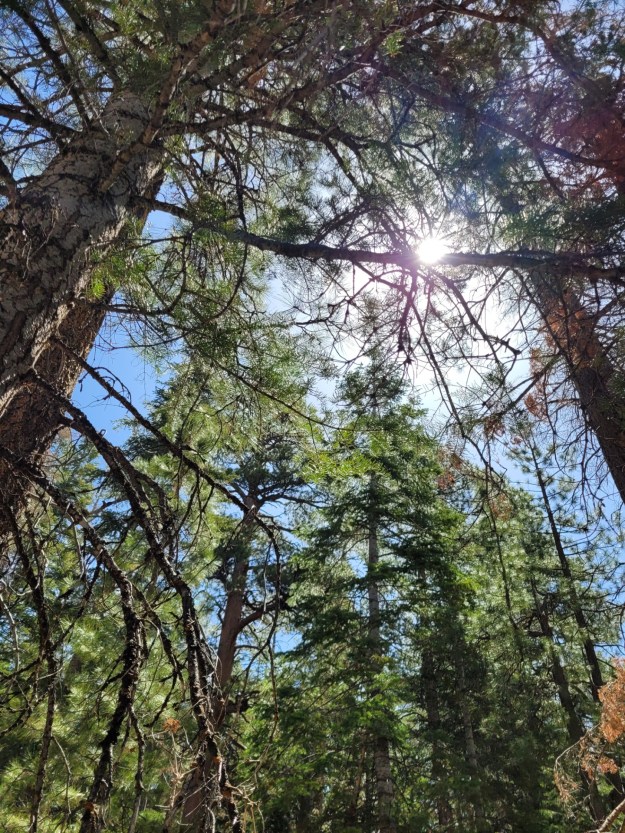
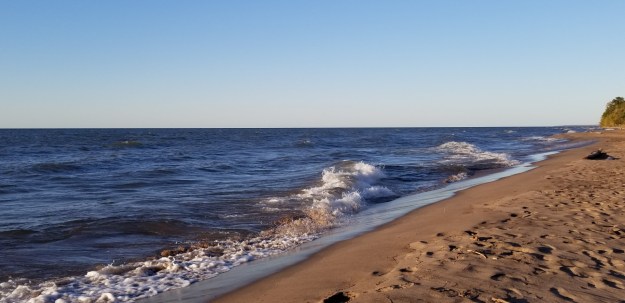
  • I do go on about flowers, trees, birds, and other little live things. Sometimes, too, I go on about canyons and other grand places.  However, I noticed a few months ago that the wallpaper on both my laptop and on my phone display photos of water. I think that looking at these photos calms me (a bit) and makes me happy (somewhat) even in these disordered and disturbing times. These photos remind me of the lake water I listened to and watched day and night during my childhood.
  • I have been pretty grouchy the last few days and last night I had troubled sleep. Nothing major: life stuff, getting old stuff, and the ridiculous and unrelenting dross emanating from the U.S. president and his minions. Also, I have recently curtailed my nature walks hoping to avoid the pesky mites (see above). Still, It’s now the end of November, so today I chanced a walk over to the Ballston Wetland Park. I saw the water, the fall plants, the insects, and the birds. I watched a bumblebee busy in the late flowers and a small flock of Canada Geese flew in for a paddle. I heard several small birds in the underbrush and caught sight of a northern mockingbird and a cardinal. I feel much better now than I have for the last few days. I (sometimes) try not to be (overly) directive, but I do recommend a bracing walk in the woods, in the fields, along the shoreline, or in the park as an antidote to the blues.

near Kirk Creek, Big Sur, March 26, 2013 (my laptop wallpaper)

Lake Superior, Ontonagon, Michigan, September 17, 2021 (my phone wallpaper)

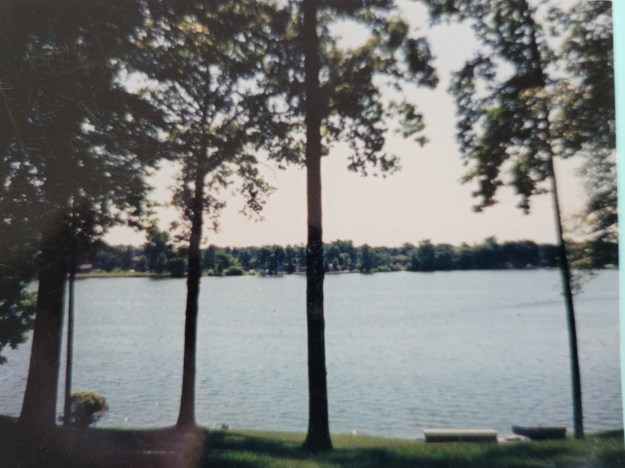
view from my front yard, Lake Sherwood, circa 1960s or 1970s (photographer unknown)

staghorn sumac, Ballston Wetland Park

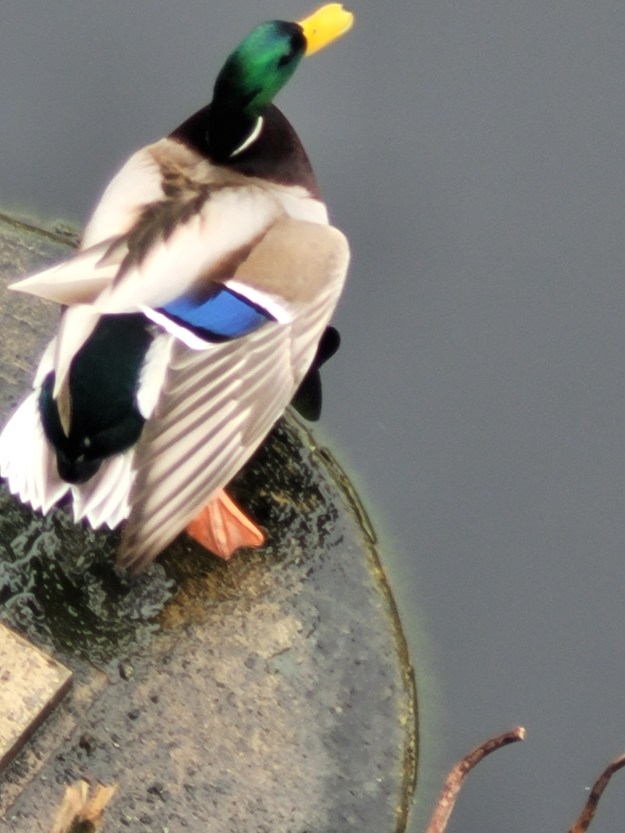
mallard ruffling his feathers at Ballston Wetland Park, Arlington, VA

Canada geese, November 26, 2025

  • In the beginning of November, Tom and I drove up to Michigan for the memorial for our sister-in-law, Nancy.  When we were young, Tom and I didn’t expect that we would come to enjoy memorials for those who die, but we have done so.  Along with the others in attendance, we laughed, we cried, and we ate a good lunch. Before and after the service, we drove the back roads of southeastern Michigan: sun and wind and red and golden leaves. It was perfect. This was the landscape of my early life. On the way up to Michigan and then heading back home, we stayed with George and his wife, Valerie, as we have for close to 40 years.  We drove home on the tollways, highways, and byways of Pennsylvania to visit our sister-in-law, Jeanne. Tom and I were glad to see so many people we love.
  • I love music, but I never learned to play an instrument or to read music. In sixth grade or whenever, when students were encouraged to take up an instrument, I was too shy to do so. I regret this decision, but then I have been a life-long whistler–taking after my dad. I am writing about music now because the Beatles came to mind a few days ago and started me on this article.

There are places I’ll remember
All my life, though some have changed.
Some forever, not for better;
Some have gone and some remain.

All these places had their moments
With lovers and friends I still can recall.
Some are dead and some are living,
In my life I’ve loved them all.      “In My Life,” (1965)

I wish you and those you love a Happy Thanksgiving..


* I am (mostly) not being lazy when I use this “wait until something bubbles up method.”  I discovered this method in college, or even before, and it works for me. There seems to be some part of my brain that keeps working on ideas and words while other parts are focused elsewhere.

**”Challenging times,” are my trying-to-sound-balanced words. More viscerally and honestly, the sh%$ storm that Tom foretold before the last inauguration has turned out to be an ongoing superstorm.  I am devastated by the wanton destruction of so many of our Constitutional, governmental, and societal norms on the part of individuals who appear to be cruel and fascist.  However, I will keep fighting what I believe is the good fight and trying to love my relatives and friends and neighbors. I also am working on having empathy for all.

Once More to the Rim


Grand Canyon Lodge at sundown

A few days ago, I started thinking about what I should write about the forest fire on the North Rim of the Grand Canyon and the destruction of the Grand Canyon Lodge and its environs. Yesterday I realized that I have been writing about the North Rim and surrounding areas since I began writing this blog in October 2012.  I don’t think you need many more words from me about this beloved place right now. Below, I have gathered links to some of the earlier articles I have written about the rim. I am also including a handful of the hundreds of photos of I have taken of the North Rim.

Grand Canyon Lodge with Oza Butte in the distance

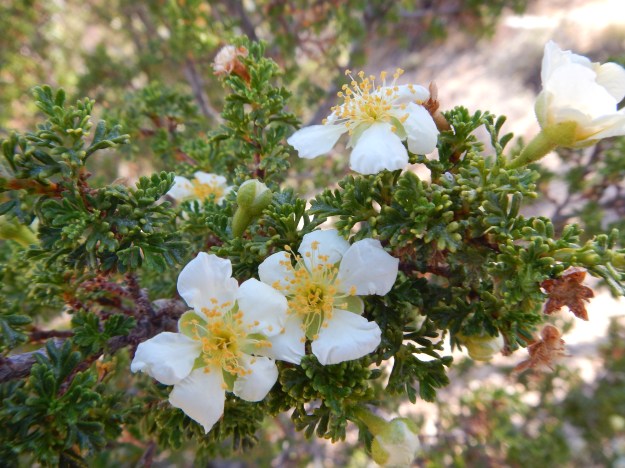
cliffroses North Rim June 7, 2014

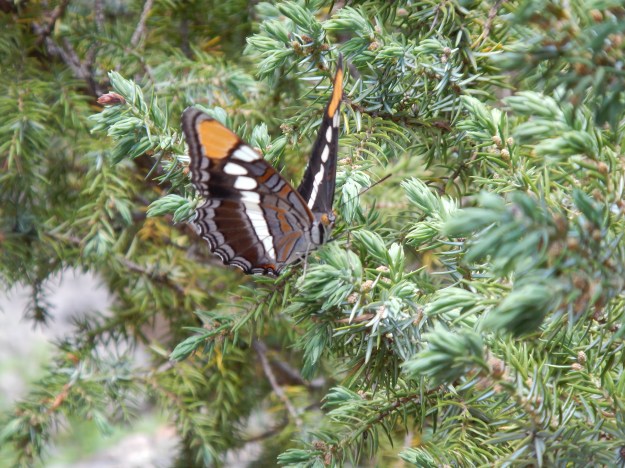
Arizona sister (Adelpha eulalia) Harvey Meadow, North Rim

view of the canyon from near Bright Angel Point, May 2024

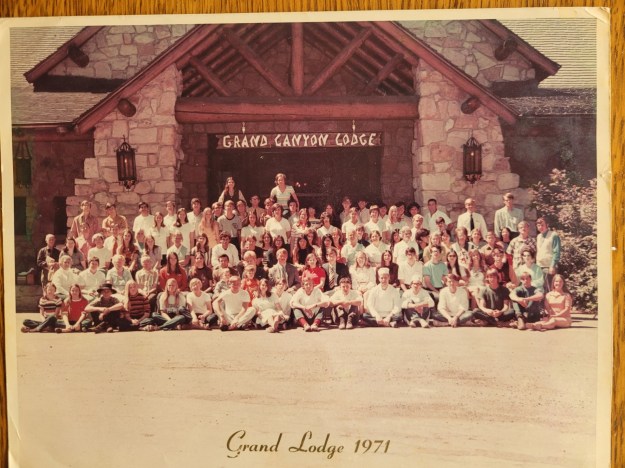
my first summer at North Rim*

our car July 17, 2025

The four classic elements: Fire, earth, air, water. North Rim has them all. Fire now, certainly.  Earth is still there and will regenerate.  Air: I can almost smell that fragrance of ponderosas in  the sunlight at 8,000 feet. Water: I remember the old stone drinking fountain outside the lodge. It was the best water I ever tasted, and this from a water girl from Michigan. Showers at Roaring Springs, the music of Bright Angel Creek, the search for Cheyava Falls on a spring break way back when, and the Colorado River.  Changes now, certainly, but the canyon world survives. Love and peace to my canyon friends.


* I am in the second row on the right wearing sunglasses.

October 2022, Arlington, Virginia

October is my favorite month, and I say that as someone who likes all the months–even February. When I was a child, I tried to like November the most because it is my birthday month, but October wins every year (see my post from 10 years ago here). In the fall I feel nostalgic: I miss my mother and father and a growing host of others. So, there is a little sadness, but–northerner in my bones–I always feel happy about preparing for the ice and snow of winter (whether it comes or not). I have been making bread again and wandering through the beauty in my neighborhood.

American sweetgum, Oakland Park

mixed forest, Arlington, Virginia

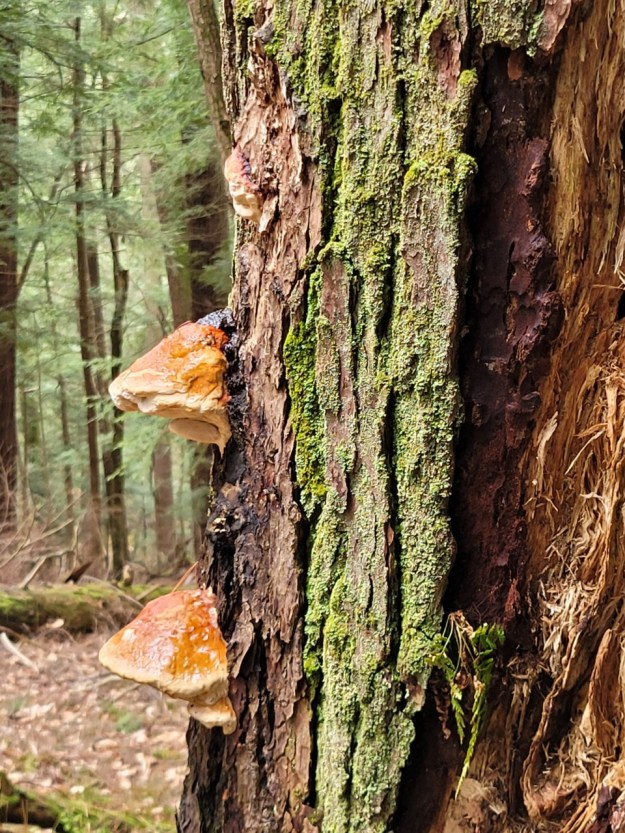
tree with fungus

clustered mountain mint

Lubber Run, October 30, 2022

leaf in Lubber Run

stump and forest, Lubber Run

wild bergamot, Oakland Park

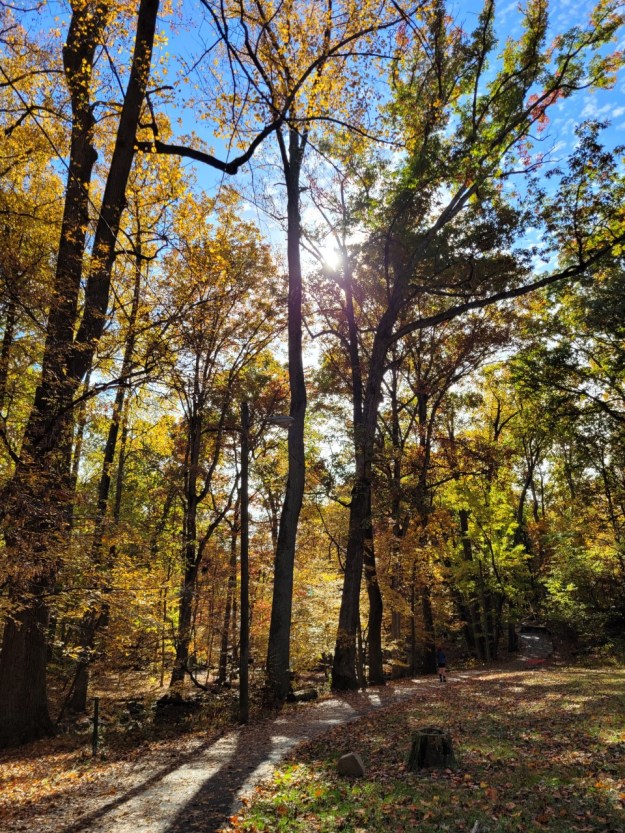
forest trail

Almost Summer 2022

I have so many people and things to be grateful for and so many things to be worried and sad about that I find my thoughts and feelings ricocheting around in my aging brain. Because I feel lousy today (two negative Covid tests so far, but, who knows) I am trying to settle down and write. Note: It is now two days later and I am still feeling a little weary, but now I have bored myself so thoroughly, that I am writing again.

Grateful I know I have written this litany before, but here it is again: Family, friends, nature.

Worry and sadness Some part of me has felt worried and sad since the 2016 election. I take that back: I was worried and sad before, after Sandy Hook in 2012. Surely, I thought, we will change our laws and our society now. I had similar thoughts after Abu Ghraib. Heck, I thought things would change after Mai Lai. I must have told you this before as well: I thought we good-hearted and idealistic people would put an end to war (and ethnocentrism, inequality, etc. ) back in the 1960s. I am, of course, reeling over the pandemic, Ukraine, Uvalde and all the rest.

I also worry and sometimes feel sad about those on the my “grateful” list. I worry about my family near and far, friends here and there, and nature everywhere.

My assignment In high school, I was noted among my friends as a “stable” person. Not sure what that actually meant. Most of the time through the years, I have continued to be a glass half-full sort of person. I lean toward the hopeful side. I think I lean that way because my loved ones modeled that stance for me and it has helped me throughout my life. So, now, that I have used this post to clarify my thoughts and feelings, I need to drink from that half-full glass again.  My soul drinks in words, photos, and music.

Words

I have been thinking about William Wordsworth lately. That’s partly because my friends Donna and David will be walking in the Lake District this June, but also because my brother Dan loved Wordsworth. Plus, I think Wordsworth has some words for us:

The world is too much with us; late and soon,
Getting and spending, we lay waste our powers;
Little we see in Nature that is ours;
We have given our hearts away, a sordid boon!
This Sea that bares her bosom to the moon;
The winds that will be howling at all hours,
And are up-gathered now like sleeping flowers,
For this, for everything, we are out of tune;
It moves us not.—Great God! I’d rather be
A pagan suckled in a creed outworn;
So might I, standing on this pleasant lea,
Have glimpses that would make me less forlorn;
Have sight of Proteus rising from the sea;
Or hear old Triton blow his wreathèd horn. (circa 1802)

sign seen at Van Aken Market Hall, Shaker Heights, Ohio

Photos

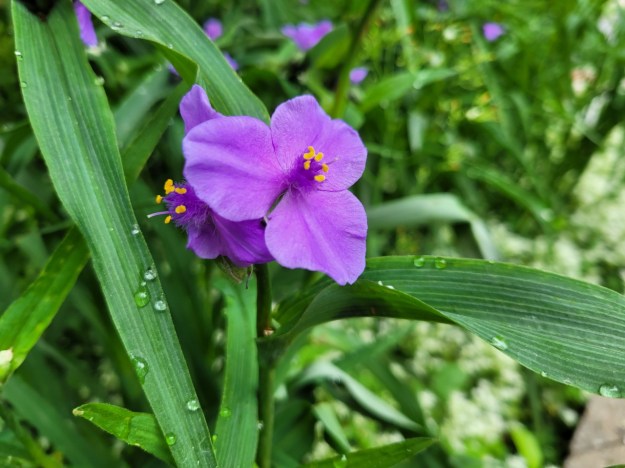
native spiderwort, Hillside Park, Arlington, Virginia

redbuds, Sky Meadows State Park

tulip poplar flower

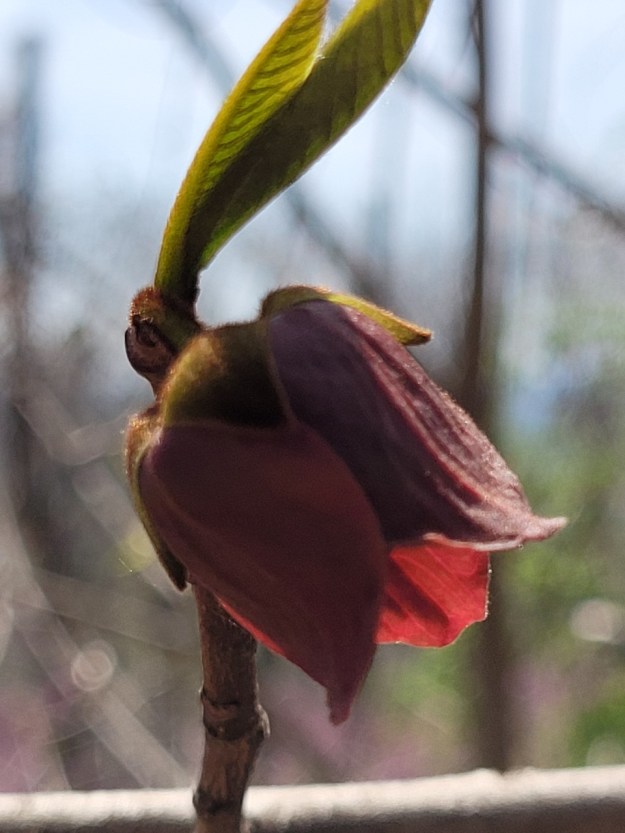
pawpaw flower, Sky Meadows State Park

pawpaw flower, Sky Meadows State Park

pitch pine, New Jersey Pine Barrens

planting common milkweed along the W & OD Trail, Arlington, Virginia

Cook Forest State Park, Pennsylvania

swallowtail–first of the season

Photo and music

oak trees Westbound Van Aken Boulevard, Shaker Heights, Ohio

oak trees Westbound Van Aken Boulevard, Shaker Heights, Ohio

Because,” John Lennon and Paul McCartney, 1969


Winter 2021

I started this article a week ago during Arlington’s small bout of snow and ice.  I couldn’t seem to figure out how to effectively reconcile my homebound (from weather and pandemic) current self with younger versions of me who always loved to be out in the snow and ice. I didn’t want to have to find the words for all those winter feelings I didn’t feel this year. (See Winter: January 1, 2019 for some of my words about winter). Today, I realize that I don’t need to dig for those words and feelings anymore. I have received my first Covid-19 vaccination, I have walked five miles today, buds are plumping up on the witch hazel in Hillside Park, and spring is coming soon.  Before spring arrives in earnest, I want to share some words and photos about my favorite refuge during this winter of our pandemic and social disunion.

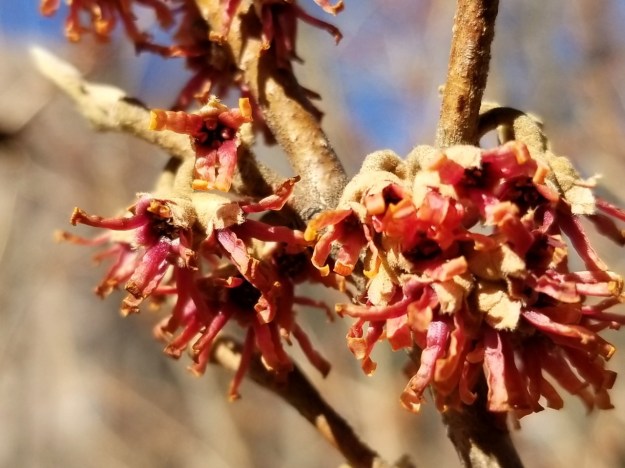
witch hazel, Hillside Park, Arlington, Virginia

This winter, I have been walking often on Theodore Roosevelt Island, which is 0.8 miles from our condo.  It’s not the ponderosas on the North Rim or the slickrock in Canyonlands, but I do love this tiny little bit of the national park system, just as I love the other parks.

While TR Island is only 88.5 acres, heavily visited (over 160,000 people visit yearly), and cheek by jowl with our hyper-urban Rosslyn, Arlington neighborhood, when I am on the island I find respite from this distressing time. I would have thought that walking here on this island–a little over a stone’s throw across the water from the Kennedy Center–would be much different from walking on the North Rim or in Canyonlands, but, somehow, it feels much the same. I glimpse a red-bellied woodpecker, I see the mallards paddle around the marsh, and I marvel at the fungus on the stump. I want to hug the beech trees. The underbrush all mixed together with water, snow, and leaves reminds me of the lakes of my childhood. I find solitude on the island’s Upland Trail. Seeing the Paul Manship statue of Theodore Roosevelt lifts my spirits.  None of the U.S. presidents have been without flaws, but, still, on every trip to the island, seeing the statue, of Theodore Roosevelt, who signed the Antiquities Act of 1906, eased some of my pain related to the presidency of Donald Trump. Time after time in these last months, while my mind and heart were filled with worry and sadness, my feet headed toward the island where my body, mind, and heart revived.

I keep meaning to go to the island early in the day with my binoculars. I want to sit on a bench on the boardwalk and listen to and watch the birds. I think I will go next week. Soon enough, I will be hearing the frogs.


sycamore along the river

mallards, theodore Roosevelt Island

forest floor, Theodore Roosevelt Island

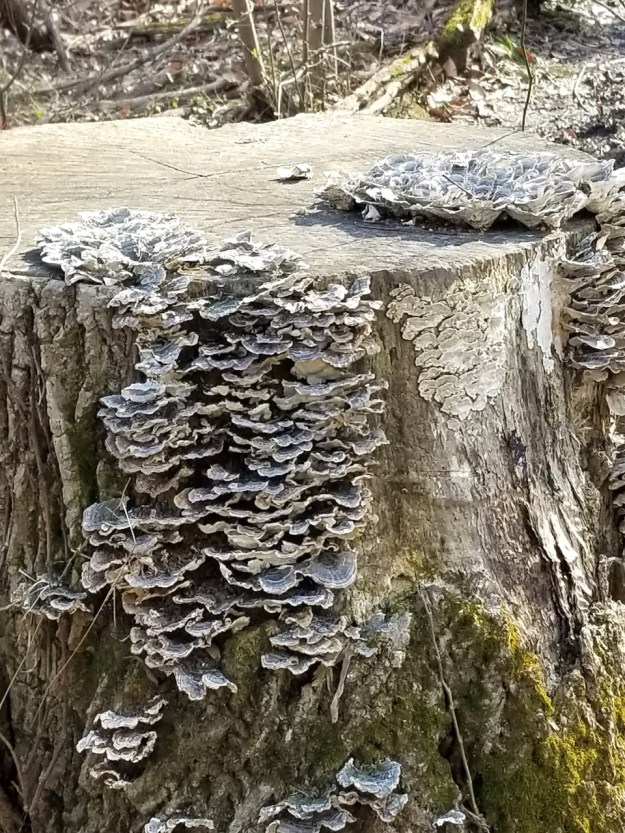
stump and fungus, Theodore Roosevelt Island

beech leaf, Theodore Roosevelt Island

leaves and log with snow, Theodore Roosevelt Island

marsh, Theodore Roosevelt Island`

Theodore Roosevelt statue, Theodore Roosevelt Island


I hope you are vaccinated or will be soon. I hope you will be able to visit loved ones soon. I hope spring will come soon for us all.


Going to Zion

View from the Watchman Trail

View of West Temple from the Watchman Trail

On this last day of 2020–this annus horribilis that we have struggled through–I find myself looking backward.  I do not want this year to end without celebrating the occasion of my finding my way to Zion National Park fifty years ago.  Those of you who have been reading this blog for the last nine years may recall that I make fairly regular references to Zion in my posts (see, for example, Staircase to Heaven,Part 5: Words).  Many who know me personally know my abiding love for this place. I love Zion, not only because of its adjective-defying beauty, but because of the peaceful, happy, and worry-free season it afforded me in the spring and summer of 1970.  I could use another such season now, but I think the memories will be almost enough.

Why I went to Zion and how I got there*

In the spring of 1970 I signed on for summer work in Zion National Park in Southwestern Utah. This was fifty years ago, and Zion was not the trendy park it is now; it was more like the back of beyond. I was tired of my local summer job at Camp Dearborn in Milford, Michigan. Also, I had been fired up about environmental issues and the west by, among others, my young zoology lab instructor from Teton Country Wyoming. I had never been farther west than the eastern shore of Lake Michigan and I knew nothing about Utah. So, I went to the undergrad library at my college and I found and then was mesmerized by Wallace Stegner’s Mormon Country. Before I knew it, I was spending the summer in Zion Canyon. I can say that summer and (mostly)** ever since, just being in Zion makes me happy and as close to content as I have been so far in this life.

In April 1970 I flew from Detroit to Omaha, Nebraska. I somehow found my way to the train station where I boarded a train bound for Las Vegas. I was decked out in, I think this is true, a suit and a raincoat and, as enjoined by my mother, I had an iron grip on my purse. I immediately met another girl, Pat, similarly attired and gripping her purse. Pat went to my college and was also heading out west to spend the summer working in Zion National Park. As it turned out, she hailed from Walled Lake, a little town seven miles from Milford. This must have been the summer for small town mid-western girls to head out into the wilderness.

I hired on as–what was called then–a salad girl and Pat hired on as a cashier at Zion Inn, inside Zion National Park. Our train ride was free because the company that employed us, Utah Parks Company, was a subsidiary company of the Union Pacific Railroad Company. Of course, I never forgot the ride. The trip was long, cold (we had only our raincoats as covers), and somewhat sparse in meals (they were pricey for our budgets, but I still remember the dining car). Otherwise, the ride was transformational. All that land I had been reading about and watching on Bonanza was becoming real.

After a while, maybe a day and a half, I can’t remember, we ended up in Las Vegas. I am chagrined to notice that I am forgetting some of the particulars, but I think we found the bus that was to take us to Cedar City, Utah, where we would be met by a man with the unlikely name of LeMar Snyder. (Note: This only seemed like an unlikely name until I became familiar with a traditional Mormon naming convention—they seemed to like adding prefixes to both male and female names. Tom told me that families sometimes took part of the father’s name and part of the mother’s name and to make up the new name. I don’t know the provenance of LeMar’s name). However it happened, Pat and I did come to find LeMar, a big comfortable sort of man, who drove us to Zion where we were going to work at the inn, now gone these many years (Not really gone, the wood-and-sandstone building is now used by the U.S. Park Service). I don’t know what I was expecting, but Zion in all ways surpassed my preconceptions.

I had been going to parks all my life—municipal parks, state parks, national forests, and even Shenandoah National Park (my only national park before Zion)— but they had not prepared me for my first view of Zion Canyon. Inside the canyon, I was almost surrounded by red, grey, white, green, and black rock walls up to two thousand feet tall. An apparently inconsequential (to my eye) but restive river, the Virgin, flowed through the canyon. The narrow canyon was filled with grass, cottonwoods, many kinds of desert plants, birds and lizards, rocks and sand in an abundant jumble. On my first day off work, I walked from the inn, near the mouth of the canyon, to the end of the road about six miles to the Temple of Sinawava and back. I think this walk took me all day, and my jaw must have gotten tired because I was open-mouthed at the magnitude of everything as well as the unfamiliar beauty. I stayed in Zion from April to July, and I never got over the feeling of awe.

What I did there

My first actual Zion hike was on the short, moderate Watchman trail that started close to the campground near the inn. I had been on trails before at state and local parks in Michigan, but I didn’t know what to expect from a trail in a national park in the west. (Note: I checked online and the Zion National Park website claims that the Watchman hike is 2.7 miles round trip and climbs 368 feet.) I must have started out in the early afternoon after my morning shift. I was surprised how wide and well maintained the trail was. I think I was expecting a trail where moccasins could tread quietly and carefully single file—not a freeway for tourists to huff and puff up in expansive style. The trail followed the contours of a small side canyon— first heading east toward the cliffs and then back westward—for a view of the canyon floor and the little town of Springdale. After I got to that overlook point, finding the trail onward was more difficult. Here the trail was more like my single file ideal. In fact, sometimes I was a bit confused about where the trail was and where it was leading.

I took the trail upward and back eastward toward the cliffs and followed it as it continued around again onward skirting around the small side canyon. It seemed like (and maybe was) hours later my path stopped dead at the sheer cliff face of the Watchman itself. It was beginning to occur to me that I might possibly have made a wrong turn somewhere. I turned around and tried to retrace my steps. This was not so easy because there were faint trails crisscrossing everywhere. It had been dawning on me for some time that I might not be following human trails, but those of deer or other animals. Luckily, my general destination was clear: to wend my way back from where I had come along the canyon walls and scree. I did this and I finally found myself back at the overlook, where I now understood the human trail ended. I had been somewhat scared at my inadvertent bushwhacking to the sandstone ramparts of the Watchman, but I was also exhilarated at my small adventure. There was no time to waste in reflection for it was getting dark and I didn’t have a flashlight. Thinking back, I hope that I had been smart enough to have acquired a canteen by this point. I headed quickly down the now-wide trail. A bobcat crossed the trail very close in front of me trotting purposefully somewhere. Then and now, I read this as some sort of minor miracle or at least a benediction. I was a fool who had almost gotten into serious trouble, but, instead, some deep magic crossed my path.
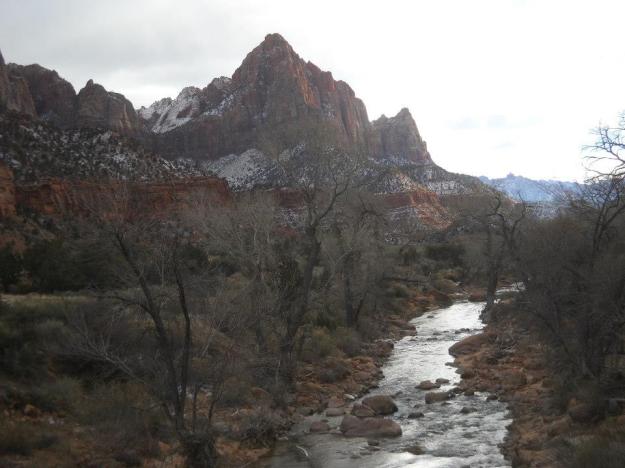
The Watchman and the Virgin River

Any chance we got, Pat and I went hiking together. We hiked the Virgin Narrows, the Kolob Canyons, the West Rim Trail, and even Grafton***, the little ghost town below Zion that was featured in Butch Cassidy and the Sundance Kid.

Kolob Canyons, Zion National Park

Kolob Canyons, Zion National Park

Note: It is already December 31, 2020. and I want to finish this before the anniversary year ends. I have so many words already, but there is so much more I want to say about this season of grace. I will tell you a couple more stories and then be done for now.

Time passed and farewell

I needed to go back to Michigan before the end of the summer to be maid of honor for my friend Priscilla’s wedding. That was going to be exciting, but it was hard to leave Zion. For one thing, Pat and I were taking Senior Lifesaving at the Zion Lodge Pool but, luckily, the examination was scheduled for the day before I had to leave. If you’ve been to Zion Lodge in the last many years, you are probably saying what is she talking about, there’s no swimming pool in the canyon. Not now, but back in the 1970s there was a pool situated where the Zion Lodge lawn is now. The lifeguard at the lodge decided to offer a lifesaving class, so Pat and I would hitchhike the three miles from the inn to the lodge for instruction and to practice. The experience of swimming in Zion Canyon is worth recalling. We would swim round and round in the small pool surrounded on all sides by red Navajo sandstone cliffs and with the almost unbelievably blue skies—a dome of heaven—above.

It was already getting dark when Pat and I passed our swimming exams at the lodge. When we got back to the inn, we were whisked away somewhere outside for a going-away party for me. I remember three details about the food we ate. After I had asked for a well-done hamburger, one of my Mormon friends said he knew why I didn’t like rare meat. He said it’s because you are so civilized. Maybe yes and maybe no, but I appreciate the thought. In fact, the comment and the party highlight the civility and the hospitality that the people down there in Southern Utah showed to us and which I have never forgotten. We drank root beer—homemade for the party—and we ate Mrs. Cope’s spudnuts. She was a baker for Utah Parks Company and the mother of one of my friends. As Zion is to a municipal park, so Mrs. Cope’s spudnuts were to commercially produced donuts.

What I’m trying to say: I was entranced by the stories told by the older people I met at Zion. I met people whose own parents knew Butch Cassidy. There was my supervisor in the pantry, Mary, whose family—if I am remembering this right—had run cattle in what is now Bryce National Park. There was Chef Brown, who’d been a cook on the Union Pacific when doing that was really something. The people in Zion were hospitable in a way that seems uncommon these days. In that canyon and during that summer it was like I had fallen into an earlier time—a time my father would have understood. Plenty of the hospitable people that summer weren’t Mormons. Some were Jack Mormons, some were other locals, and some were outlanders drawn to this land. I want to sound grave and respectful here, but I think I might be babbling. Thank you for your part in my happiest summer (so far). Thank you for the spudnuts. Thank you, Zion.

A wish: May we all have more  beauty, peace, hospitality, grace, and deep magic in the new year. Thank you for listening and Happy New Year.
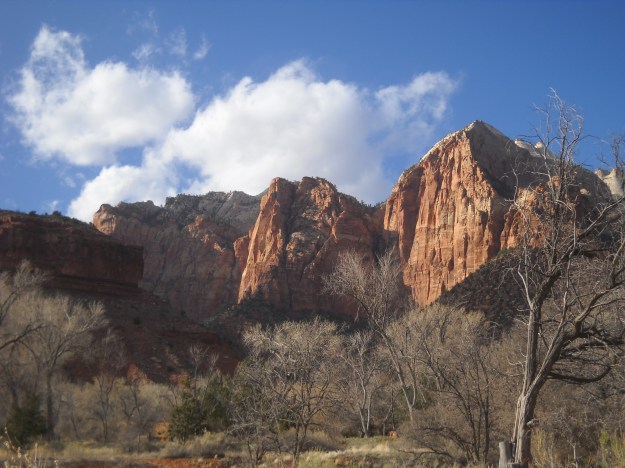
Zion Canyon

Zion Canyon

The Altar of Sacrifice, Zion Canyon

Virgin River beach

Virgin River beach

Zion near the East Entrance

Zion near the East Entrance

Entering Zion Wilderness, Coalpits Wash

Entering Zion Wilderness, Coalpits Wash


*(Some of these words are adapted from Losing It: Deconstructing a Life, unpublished work © Lynda Terrill, all rights reserved)

**The crowds almost everywhere in Zion these last years discomfit me.  An important element of being in Zion was the feeling of peace, quiet, and of being in a back of beyond sanctuary. I do not feel that much now.

*** I haven’t been back to Grafton since 1970.  I understand that the town may be a destination spot these days.  When Pat and I visited, it was an empty, overgrown actual ghost town.
November 21, 2020

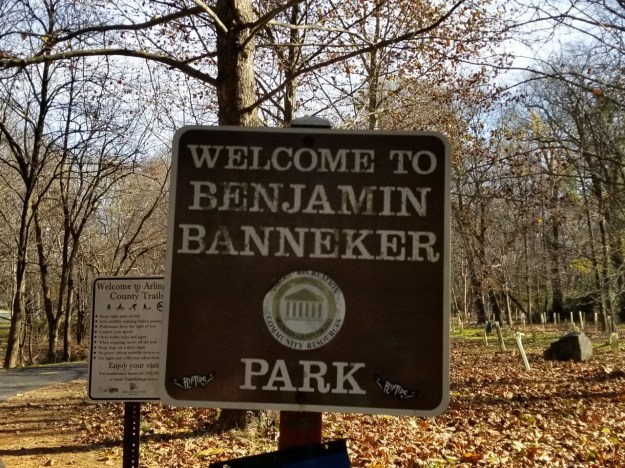
Thursday morning, I thought of a title for my latest (this is it) post: Hope in the Time of Pandemic. At 9:30 A.M. while Arlington County staff and volunteers were restoring native habitat in a corner of a little park [Benjamin Banneker Park) formerly covered with invasive bamboo, this self-assured title sounded about right.

Benjamin Banneker Park, Arlington, Virginia

getting ready to plant, November 19, 2020

planting, Benjamin Banneker Park, Arlington, Virginia

A few hours later, I decided that my nod to Garcia Marquez was too flippant when more than 250,000 people have died in our country. So, I thought I would call this article Hope and I wished that word would be appropriate and accurate.

Then, Thursday afternoon the news came about the mess in certifying the Wayne County, Michigan presidential votes. I took this issue to heart; I was born in Wayne County.  I did not feel hopeful at all.  Now, I didn’t have a name for this piece I was trying to write.

And so it has gone these last months: I am hopeful; I despair. My mind, heart, and gut seesaw.

Friday and today, Saturday, November 21, I feel more balanced. I am seeing the hopeful signs again: in my family and friends, in nature, even (sometimes) in the news.

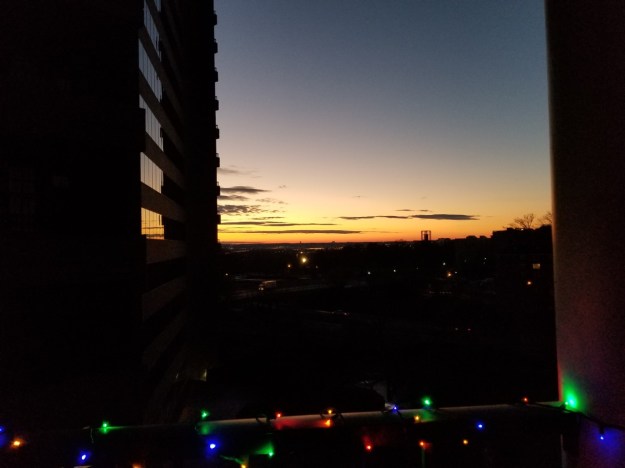
I realized, again, that I do better when I am close to the ground.  When I tuck in the native plants, cold soil invigorates my senses and my hope revives. The fall palette–heavy on yellows and browns–calms my soul.  In the evening, the early darkness comforts me. The concurrent bonus for this early darkness is that Tom and I watch beautiful dawns from our living room almost every morning.

Amsonia (bluestar), Freedom Park, Rossyln, Arlington

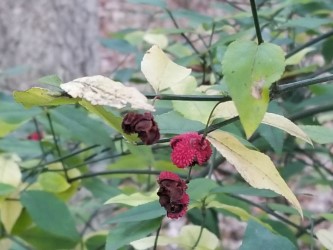
strawberry bush (Euonymus americanus), November 20, 2020

stonecrop I planted in Hillside Park in late summer

dawn from our window, Rosslyn, Virginia

dawn from our window, Rosslyn, Virginia

My condolences to the families and friends of those who have fallen ill and died. My thanks to all those helpers out there.  Like Mr. Rogers’ mother told him to do, I do look for the helpers and I see them out there all around.

Happy Thanksgiving.


Trees

treehugger, Inyo National Forest, California

I love–and I don’t believe that is hyperbole–many kinds of trees. When I was a small child,  I loved the Colorado blue spruce on a nearby street in my Detroit neighborhood.  Even as a little kid, I think I knew what an excellent blue spruce it was and at Christmastime there were holiday lights on it.

In my mind, I see the trees of our home on the lake almost as vividly as I see my dad raking the leaves or my mom taking care of the petunias in the window box by the door (later, as the trees grew ever larger, I think she had to put in impatiens). Mostly we had oaks–my Dad said they were black oaks– and hickories.  We had a sassafras down by the lake and, for a while, a cherry up by the mailbox.

Once I traveled west in 1970, I loved the ponderosas, pinyons, junipers. aspens,  bristlecone pines, and many others. When I moved to Virginia, I fell in love with the tulip poplars.

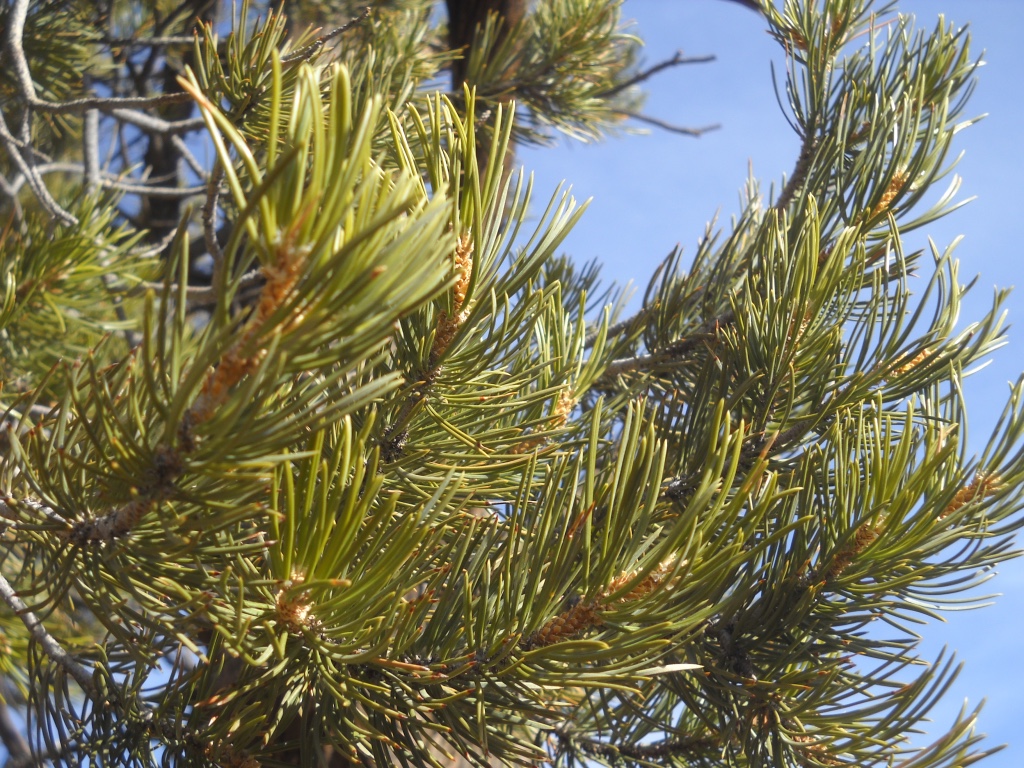
pinyon pine, Canyonlands National Park

pinyon pine, Canyonlands National Park


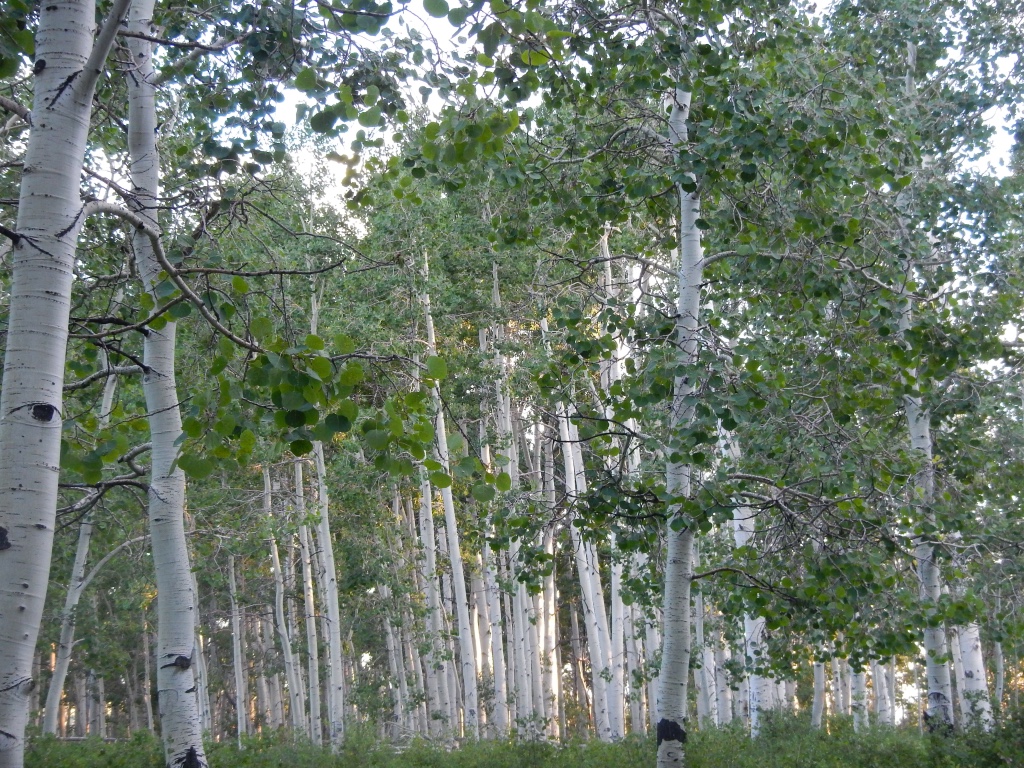
aspens, La Sal Mountains

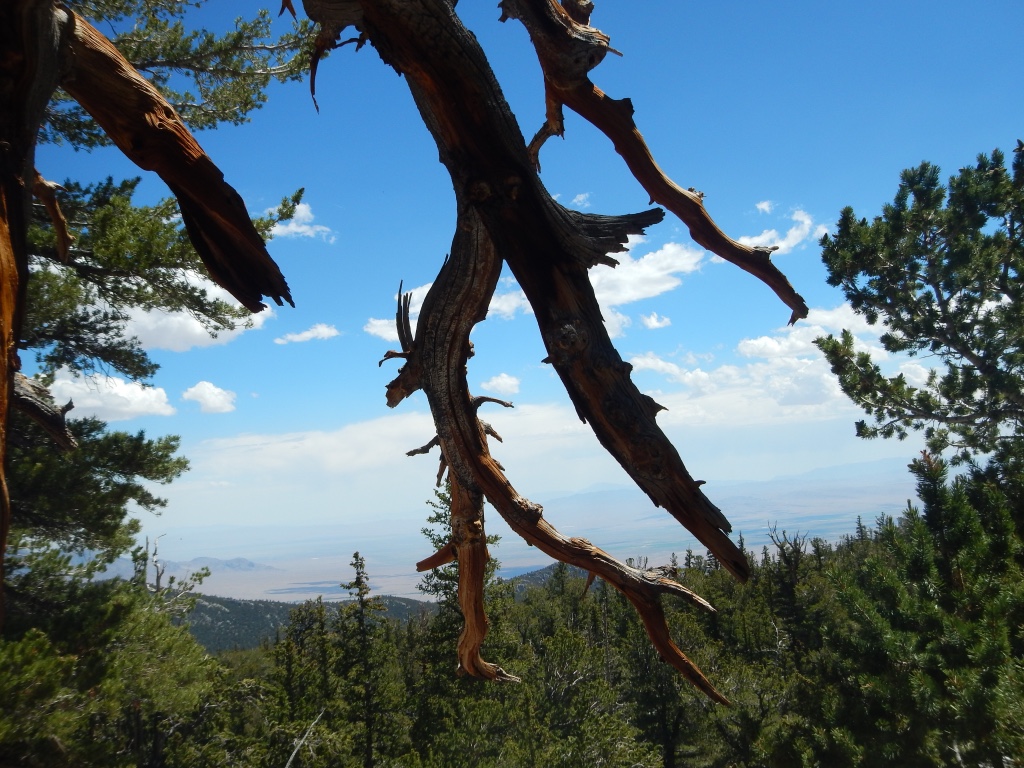
bristlecone pine, Great Basin National Park

tulip poplar, Arlington National Cemetery, Arlington, Virginia

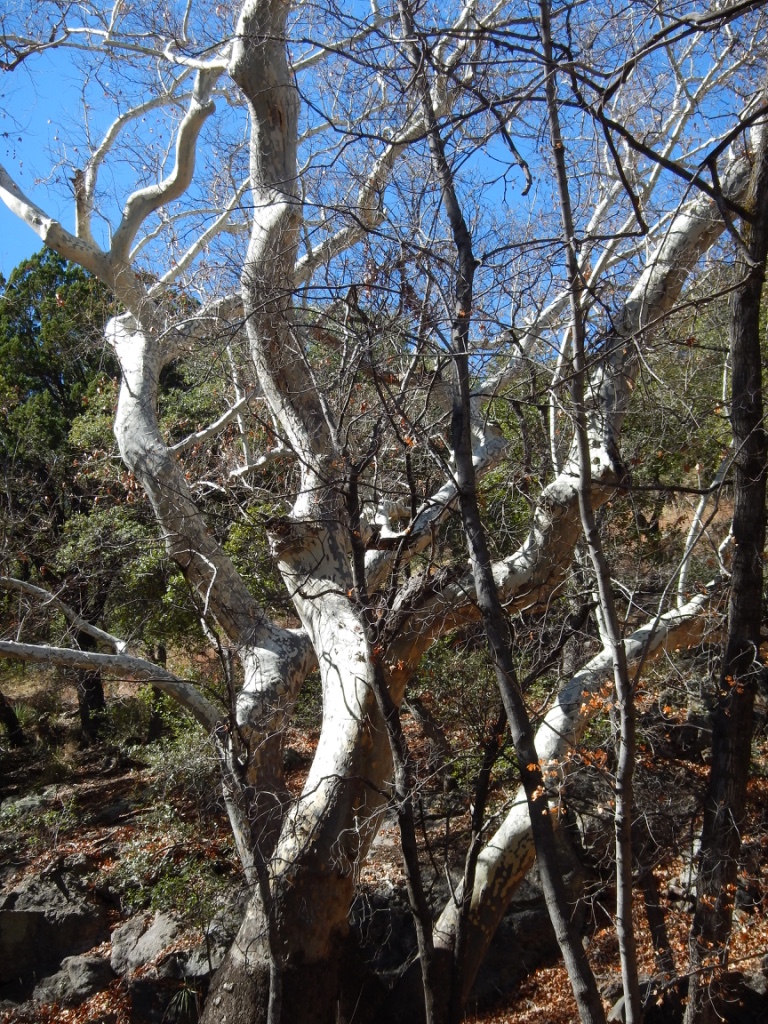
What I can’t understand is how I failed to focus on sycamores for so many decades. I started noticing them about six years ago in Arizona.  Then, back here in Virginia, I finally noticed that sycamores stand sentinel along the Potomac and the Shenandoah Rivers (among others). Wild, ragged, and ghostly:  Sycamores make me think about the tangled beauty of this world.

Arizona Sycamore (Platanus wrightii), Ramsey Canyon Preserve

Arizona Sycamore (Platanus wrightii), Ramsey Canyon Preserve, Arizona

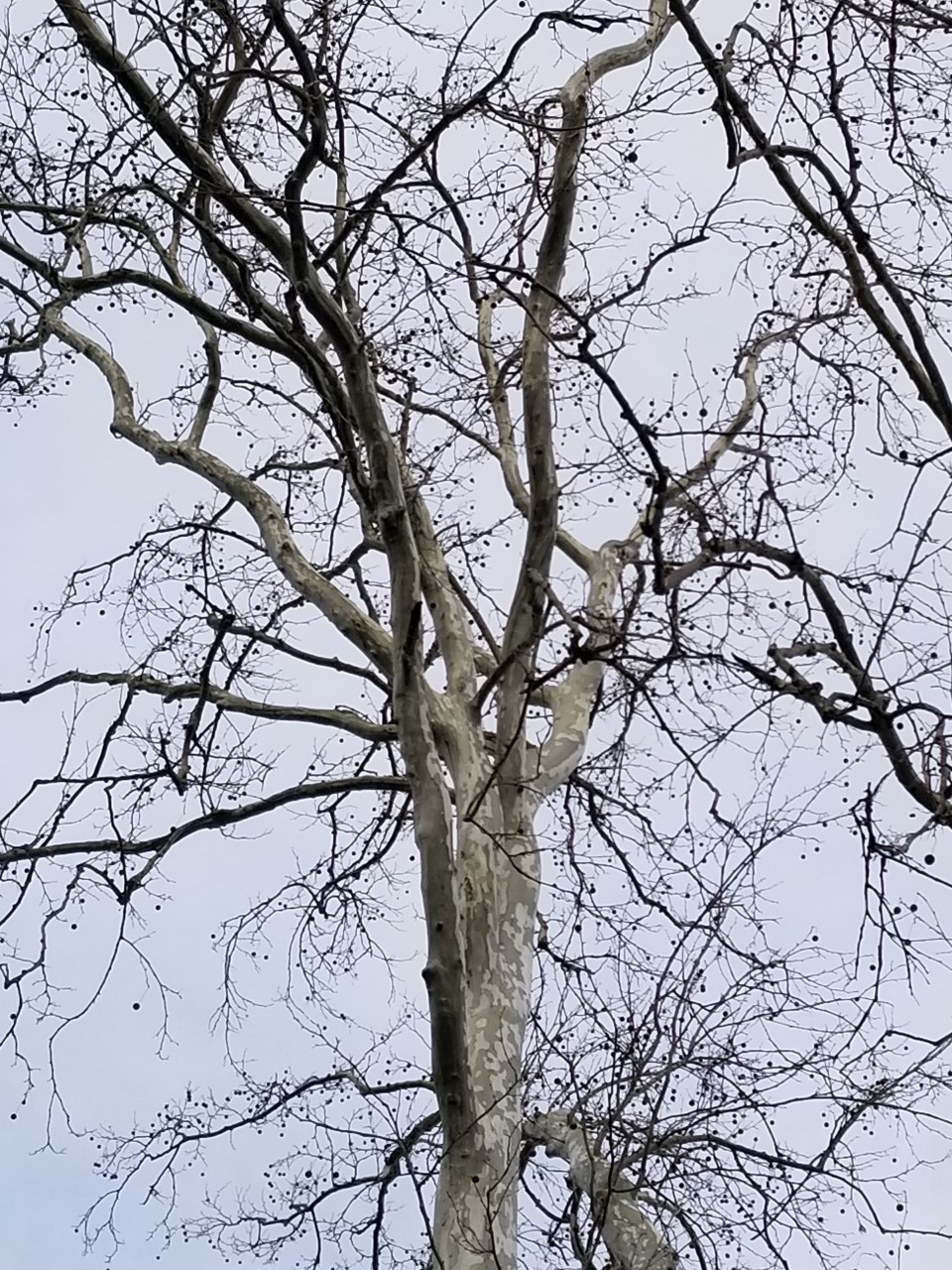
sycamore on the banks of the Shenanandoah River

American sycamore (Platanus occidentalis) on the banks of the Shenandoah River, Virginia

The News I Need

I started  compulsively reading The Washington Post online the morning of September 11, 2001 in my office in Northwest Washington, D.C. After the attacks there were the anthrax letters and the snipers. My office was only a few miles from my home, but it was across the Potomac River. I used to fantasize about how –if Chain Bridge were blown up–I could swim across.  I didn’t need to resort to that and things returned to an uncomfortable new normal.

The last few days, I have been reading the  paper compulsively again. Sure enough, almost every time I log on, there is a new red (or sometimes black) breaking news banner. I am resolving to control myself. Tom and I plan on going camping tomorrow.
The News I Need Today

Although people will not be able to see it for awhile (the Smithsonian Institution is closing for now), there is a lovely exhibit at the Smithsonian American Art Museum: Chiura Obata: American Modern. Obata’s art and his words are the news I need today. Please be well.

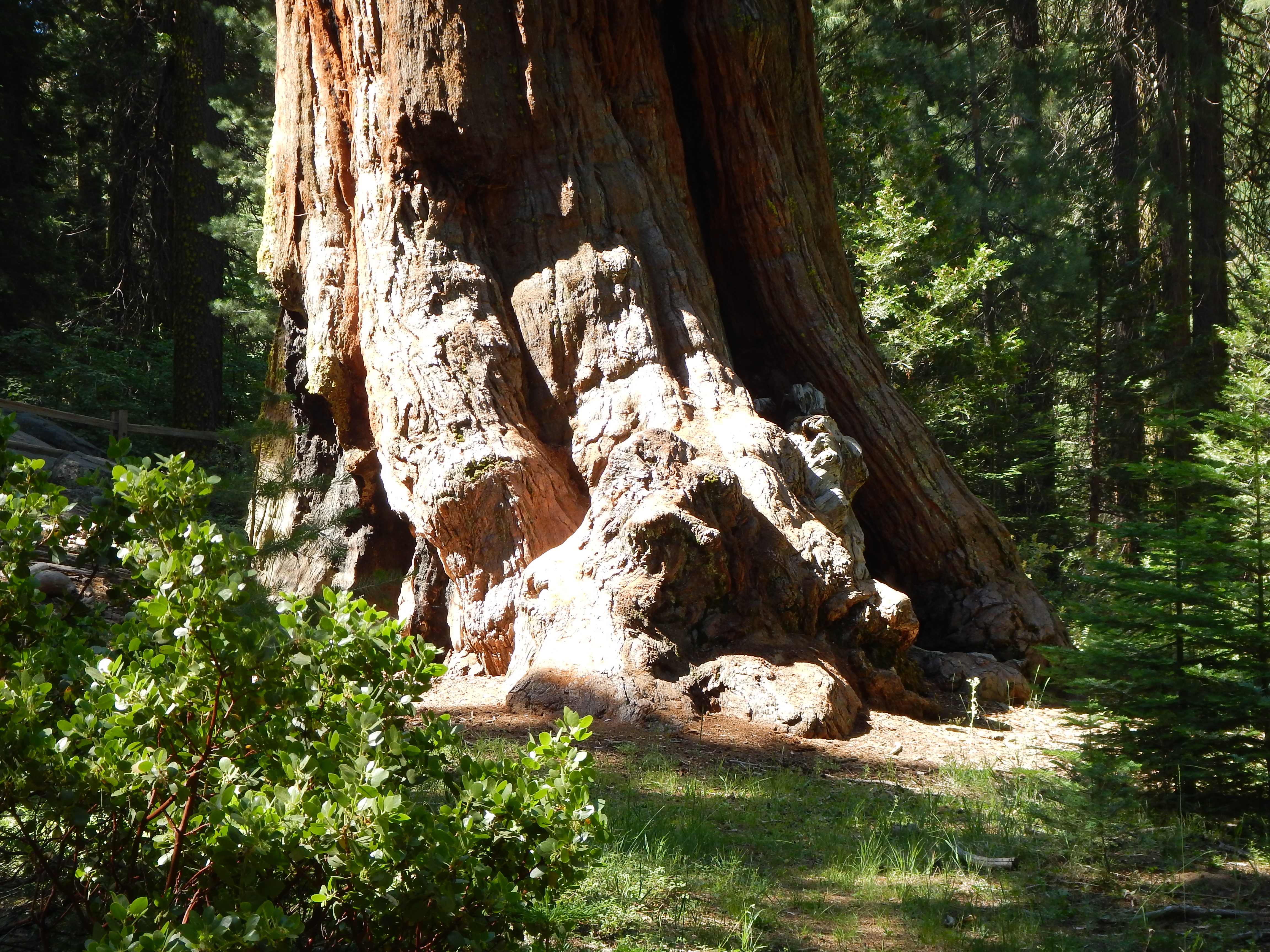
Sequoia feet

Sequoia feet


On the Edge of the Swamp

I have been doing it again. Ideas for stories rattle around in my head, but I don’t write them down and see where they take me.  For example, for a couple years now, I have wanted to write about sycamore trees.  Why didn’t I hardly notice them for most of my life? I think I will write about sycamores in a week or two,  Another possible topic: I want to write about socks I have known and loved.  Tom wondered why I would want to write about socks. I guess that is a bit hard to figure, but I think it is about where I was when I got the socks and where I walked in them.  Not an epic topic, I am quite sure, but it is true that is what I have been thinking about. I also have had a draft about doughnuts in the works for three years.  A fourth topic is the one I choose to write about today:  my observations about living on the edge of the (so-called) swamp of Washington, DC.


First, I want to go on the record to say I love swamps. It would be hard not to do so growing up on a lake in Southeastern Michigan as I did.  My brothers will remember the small swamp off Driftwood Drive with the beautiful dead tree and also all the frogs we used to hear.  I love Congaree National Park–even though the wild pigs frighten me. I love Big Cypress National Preserve and Everglades National Park–even though I am wary of  (and thrilled by) the alligators in both parks. My point is that people who might say that we (or they) need to “drain the swamp” here in the capital city are not using an effective metaphor for this water-loving native born lowlander.

Anyhow, our country is in such turmoil that I–like almost everyone I know–go through bouts of anxiety, anger, and despair. However, here in Arlington, Virginia (just across the river from DC) and whenever I go into the city, I see, hear, and feel hopeful signs. I want to write some words to convince myself–and maybe you–that the glass (possibly cracked) remains half full.

My husband, children, and I first visited the National Mall in 1978, when we moved to Arlington. We enjoyed the museums and, especially the Smithsonian Folklife Festival.* We didn’t have much extra cash then and everything (but the food) was free and wonderful. Currently, Tom and I go to the Mall almost every week and everything is still free and wonderful. Now there are more museums, more gardens, and the museum food, while still not free, is much tastier than it used to be. Often, a gloom settles on me as I read my morning Washington Post and New York Times.  Then, Tom and I hop the Metro to the Mall and my faith in the strength, resilience, and fundamental democratic spirit of our country is restored.

Every time we visit DC,  we see people thronging to the museums, the carousel, the gardens, the memorials, and the parades with the same happy enthusiasm as always. People also attend and speak out at marches and protests with the same idealistic passion as always. I believe that authoritarian despoilers are threatening our democracy. However, on Mall days, I feel like we, the people, can (and I hope, will) protect the our people, our land, our Constitution, and our democracy.

Photos

The National Mall, with pedestrians and American elm trees

freedom of speech on the Capitol Grounds

carousel on the National Mall

planting common milkweed seeds in Arlington, Virginia

Independence Day Parade, Constitution Avenue

March for Science, April 22, 2017

Rolling Thunder 2019


freedom quilt, National museum of African American History and Culture

*I thank the founder of the Smithsonian Folklife Festival, S. Dillon Ripley, Smithsonian Secretary from 1964 to 1984, Ralph Rinzler, and many others for the festival,** the carousel, and for helping me feel at home and welcome in the capital city.

**In the past many years, the  Smithsonian Folklife Festival has been less well-funded than it was in some years.   I hope this will change. In fact, it does look like there are plans for a longer festival this year than last year. This year the festival will be June 24-28 and July 1-5. For more information see the festival webpage.